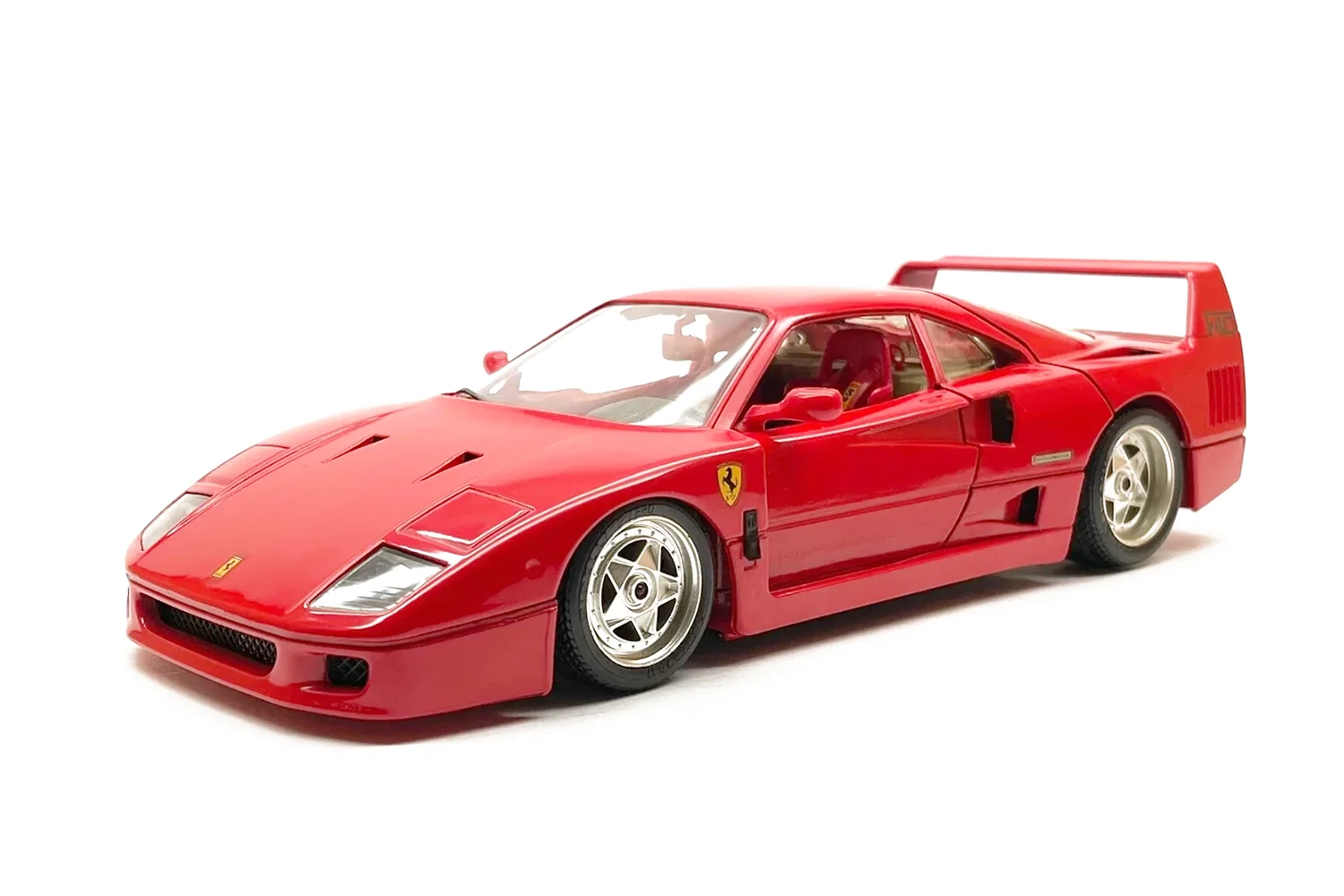
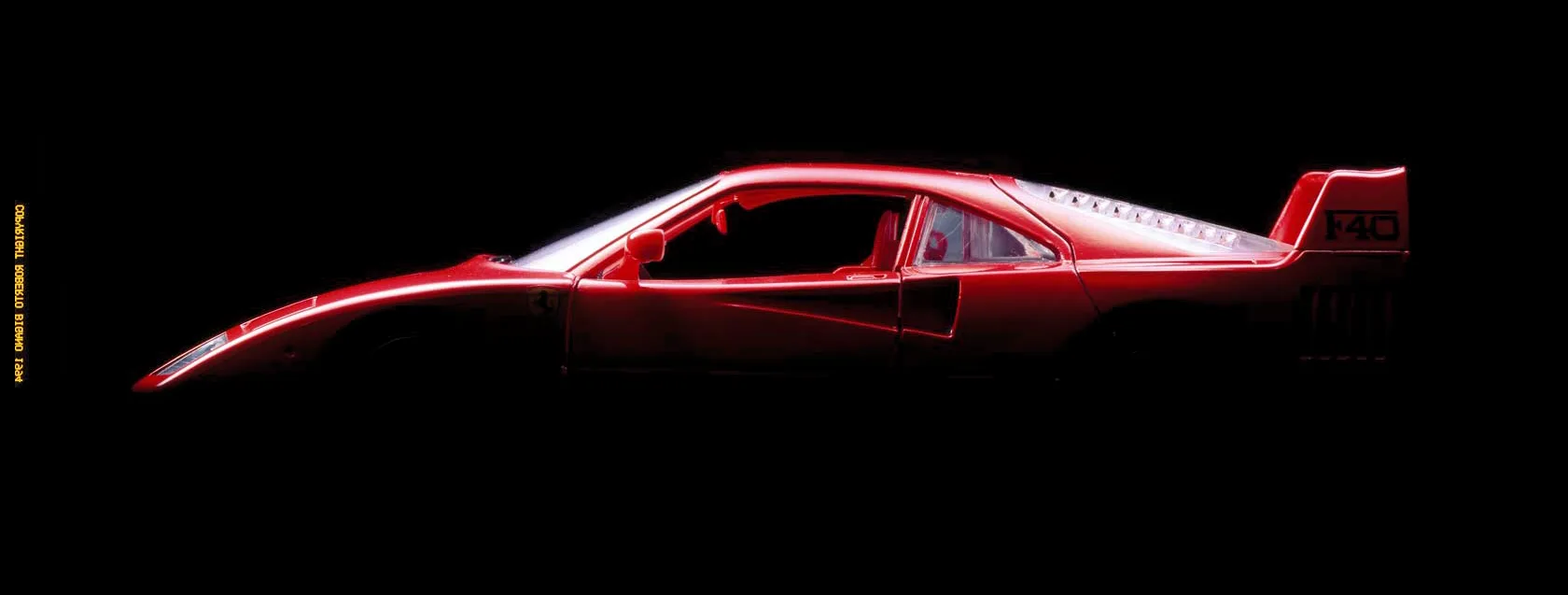
In 1988, the Milanese model company presented a 1/18 scale reproduction of the Ferrari F40, which would become one of its most successful products. We review the development of this piece, which had a closer relationship with the Maranello supercar than it might seem.
The beginning
When BBurago decided to make its model car of the F40, it found itself working with a vehicle that had been developed in just one year. Ferrari had saved a lot of time by using the GTO Evoluzione as a starting point, but it needed a long period of testing to convert this competition model into the stradale sports car that would become known as the renowned F40.
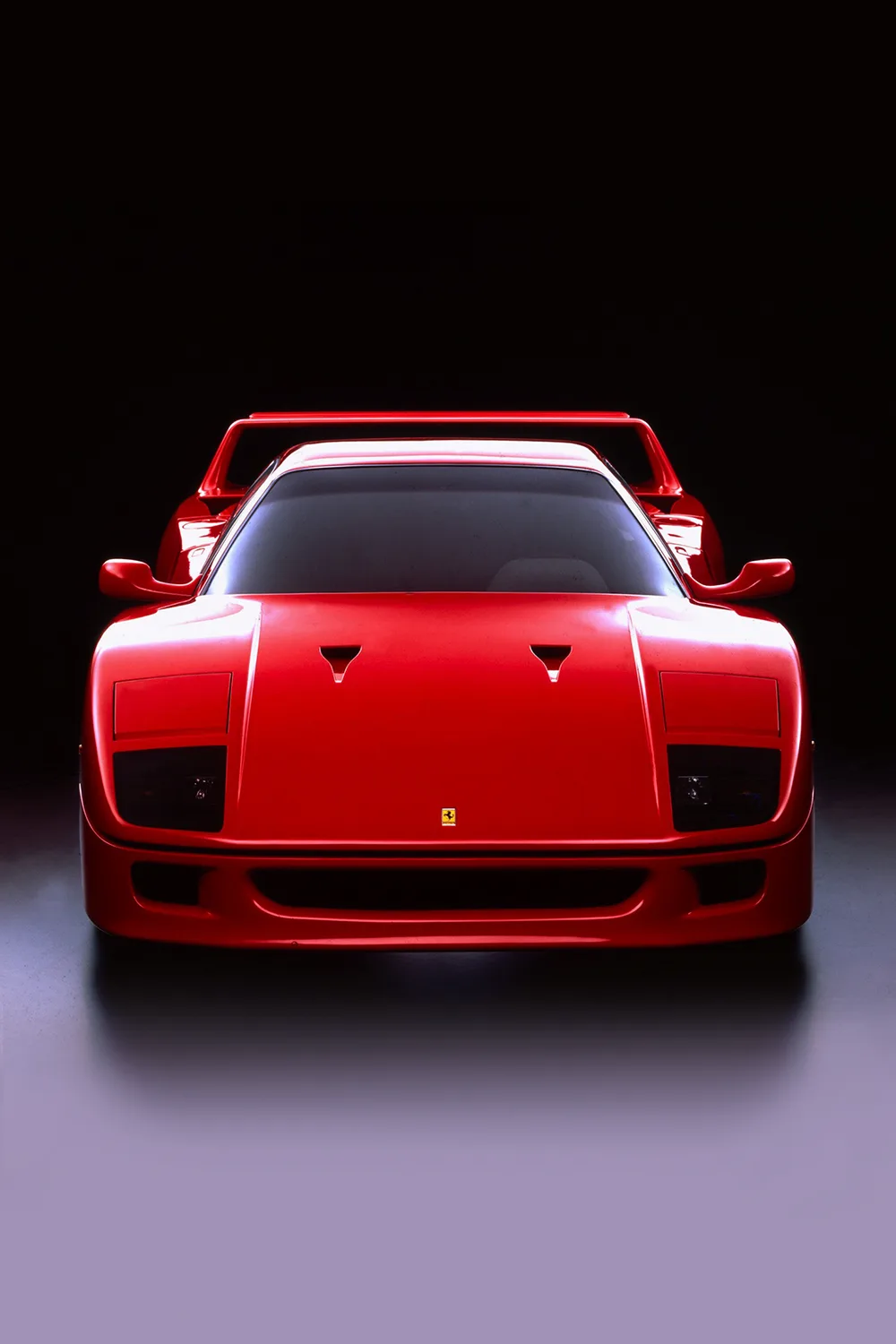
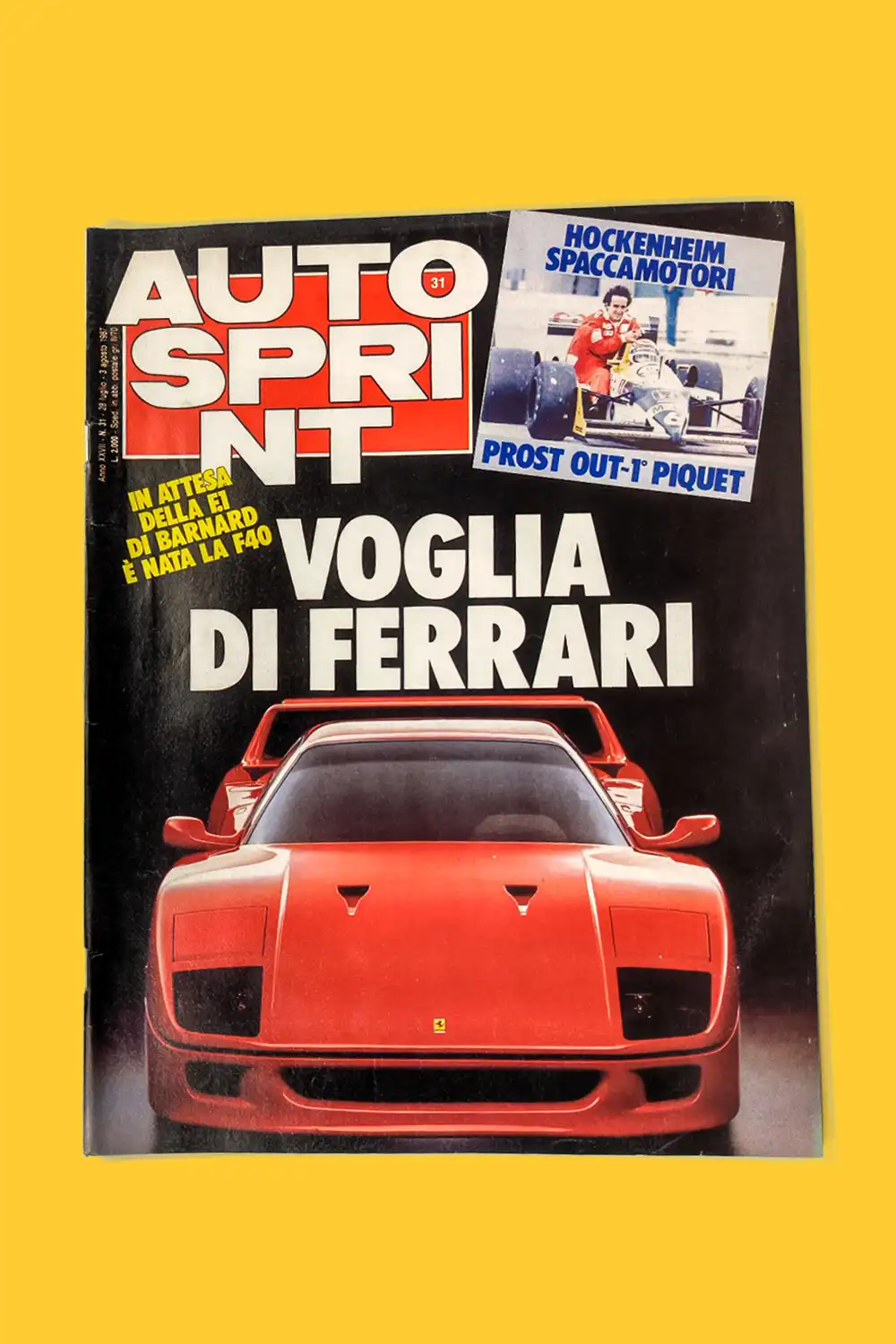
The project also had to be brought forward at the last minute. The reason for this came from the FIAT Group, which did not want the Frankfurt Motor Show to be the first event for the F40 launch, as it would overshadow the new Alfa Romeo 164.
Finally, the F40 was unveiled for the first time on 21 July 1987 at an exclusive premiere in Maranello. The two vehicles present that day were clearly pre-production models.
Starting point
Despite the tight deadline, Ferrari managed to meet its commitment to this first presentation, having simultaneously begun the fine-tuning and industrialisation phase (which would be complicated and take months).
These tasks were carried out throughout 1987 thanks to various prototypes that specialist Michelotto had been preparing for Ferrari since February of that year. Therefore, BBurago had to base its model car on one of the F40 prototypes in order to have it ready for the 1988 catalogue.
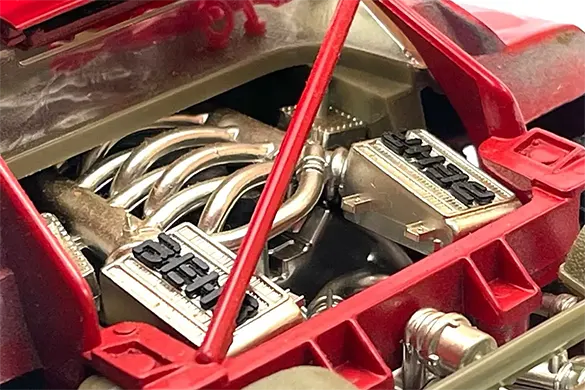
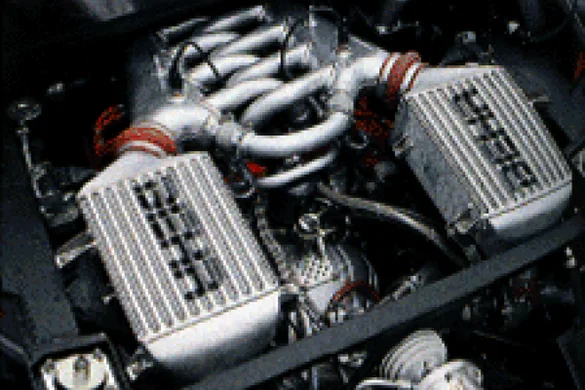
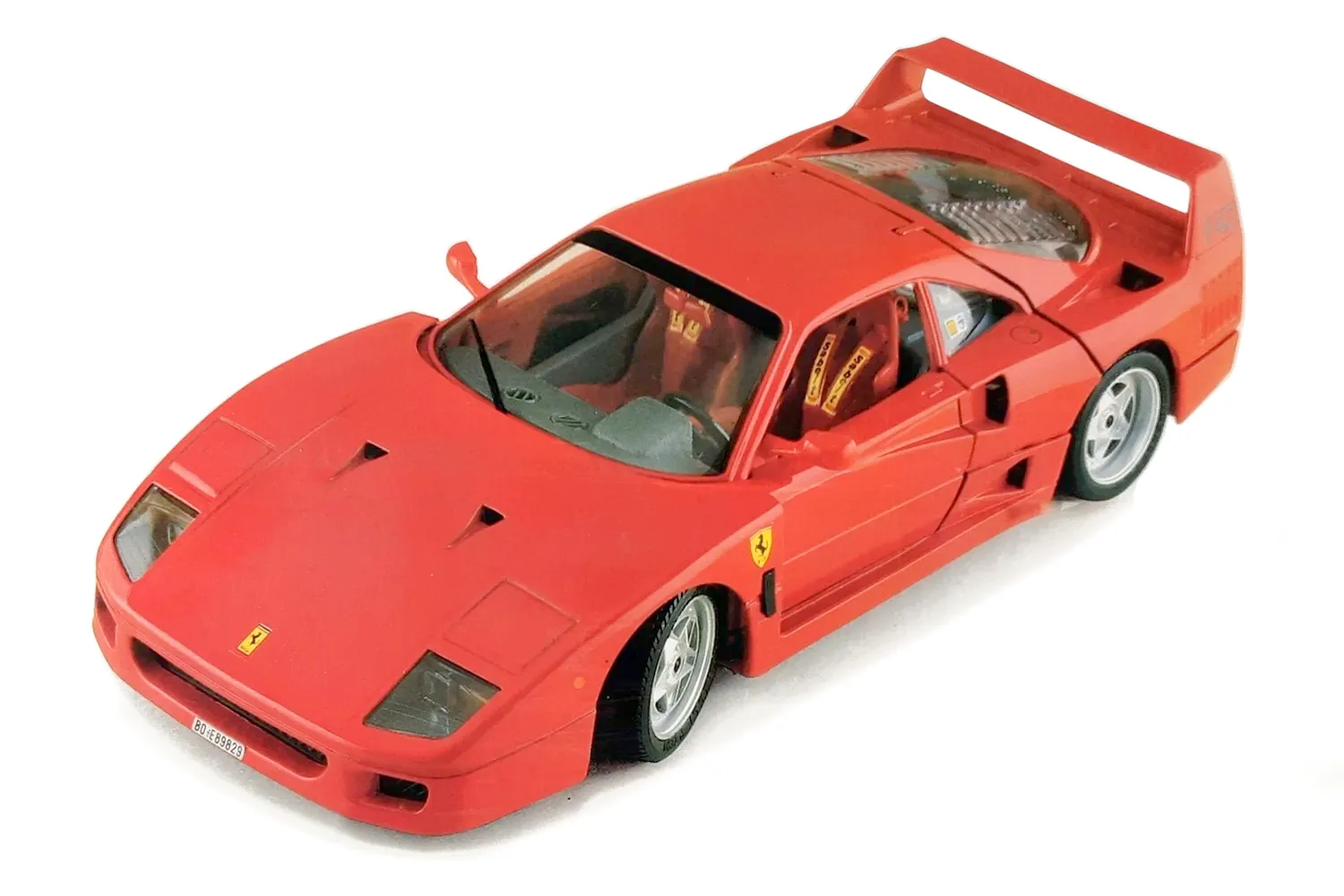
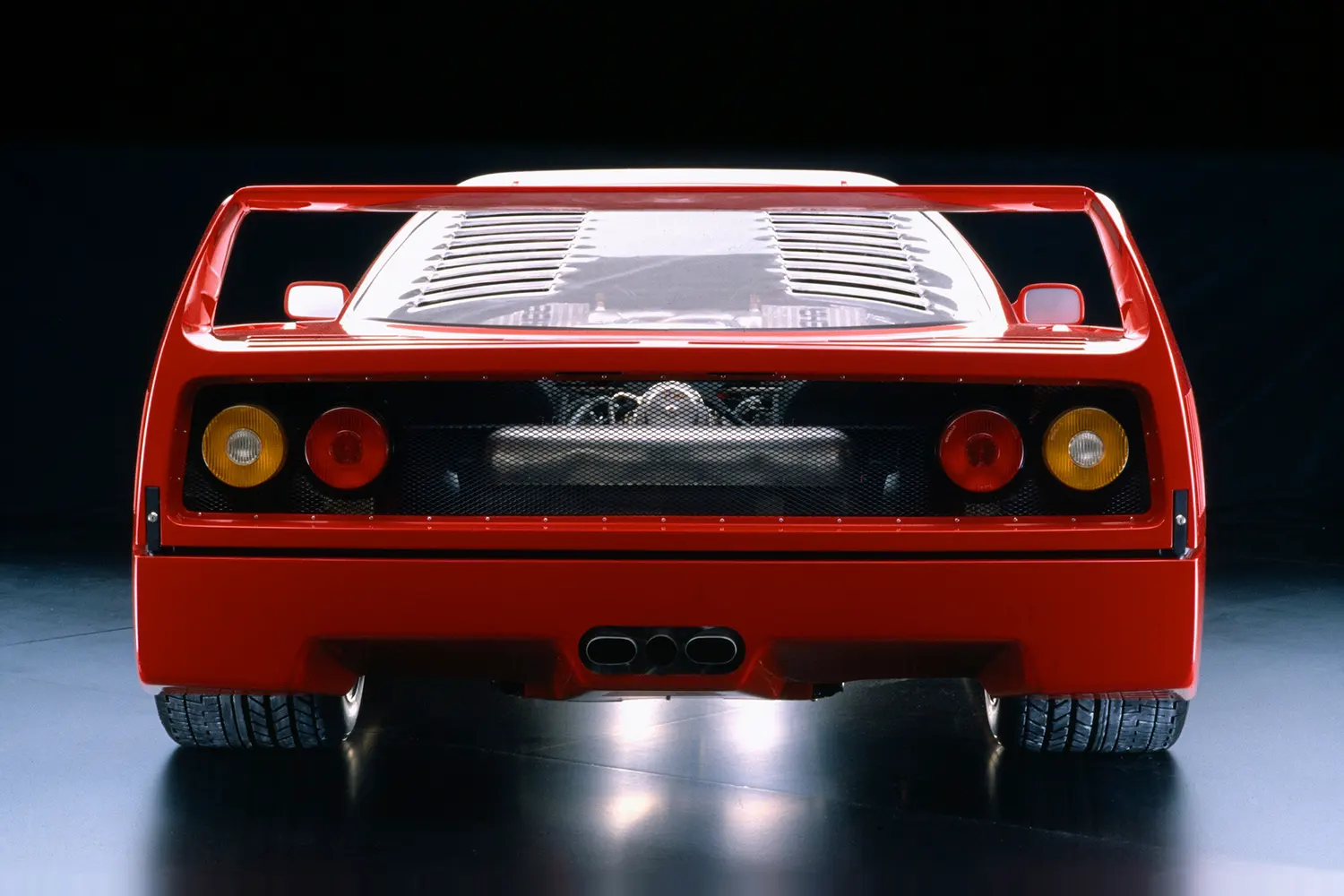
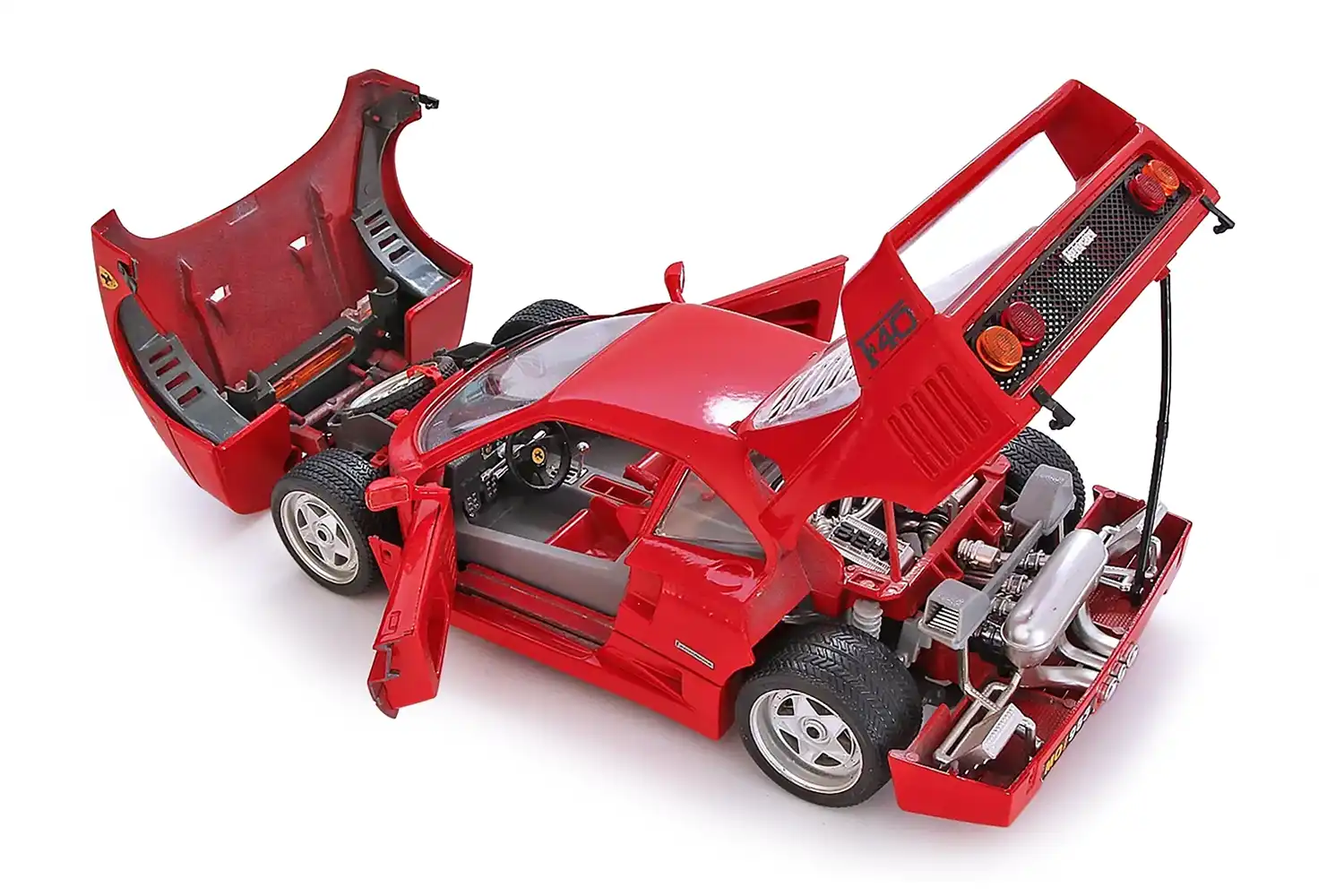
The tubular intake manifolds are indicative of BBurago’s focus on reproducing one of the first F40 prototypes.
It is estimated that no more than four prototypes existed when the model car began to be studied (of the approximately ten that were manufactured). These early units have several distinctive features that set them apart even from later prototypes.
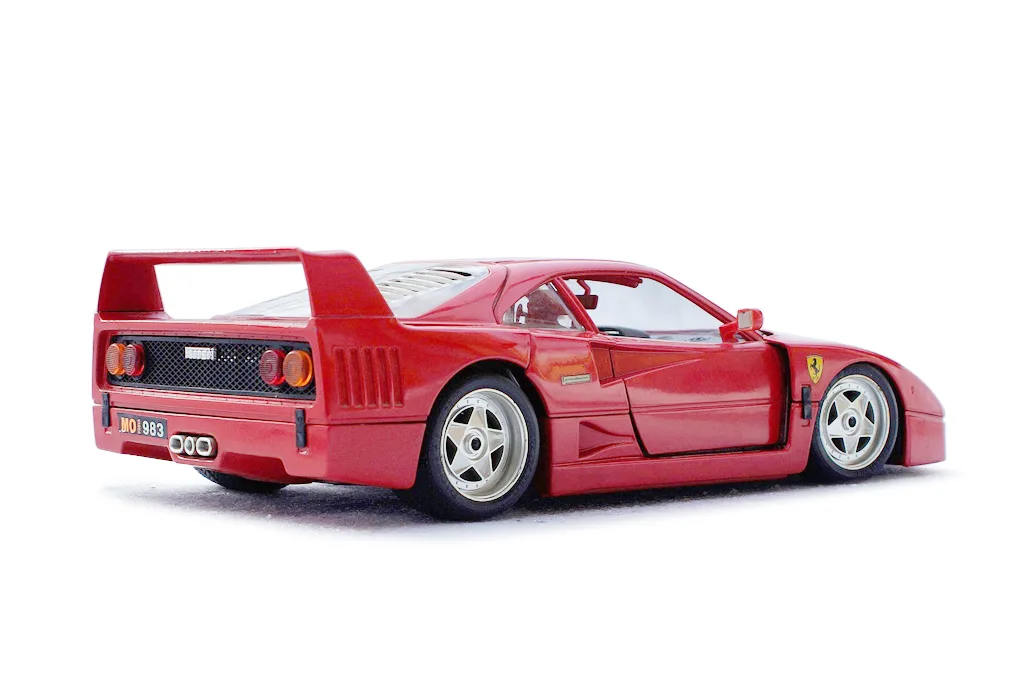
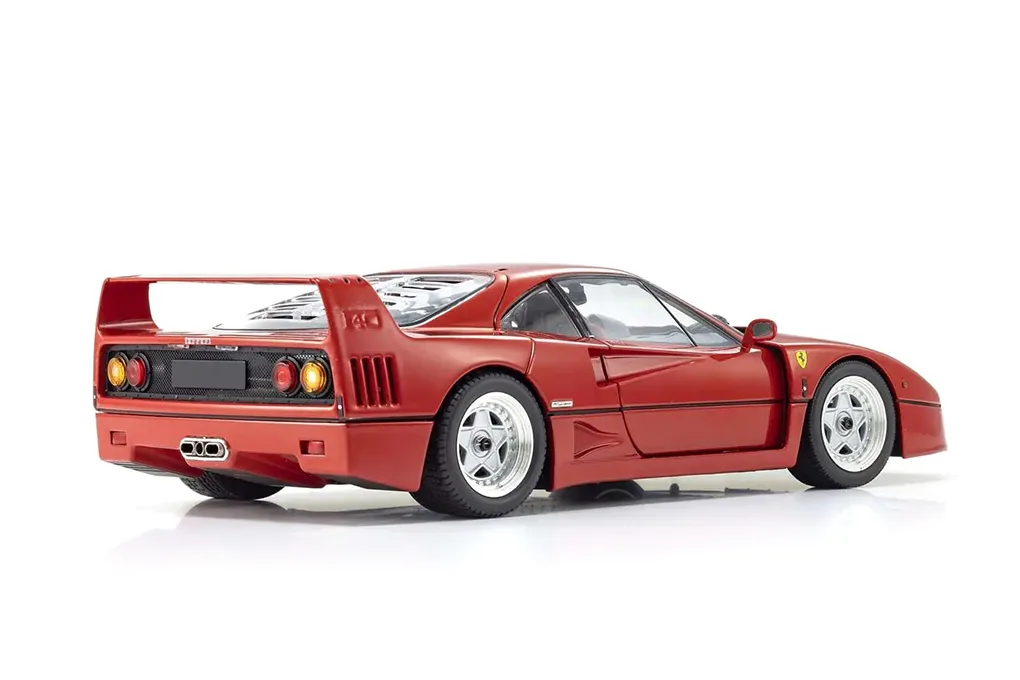
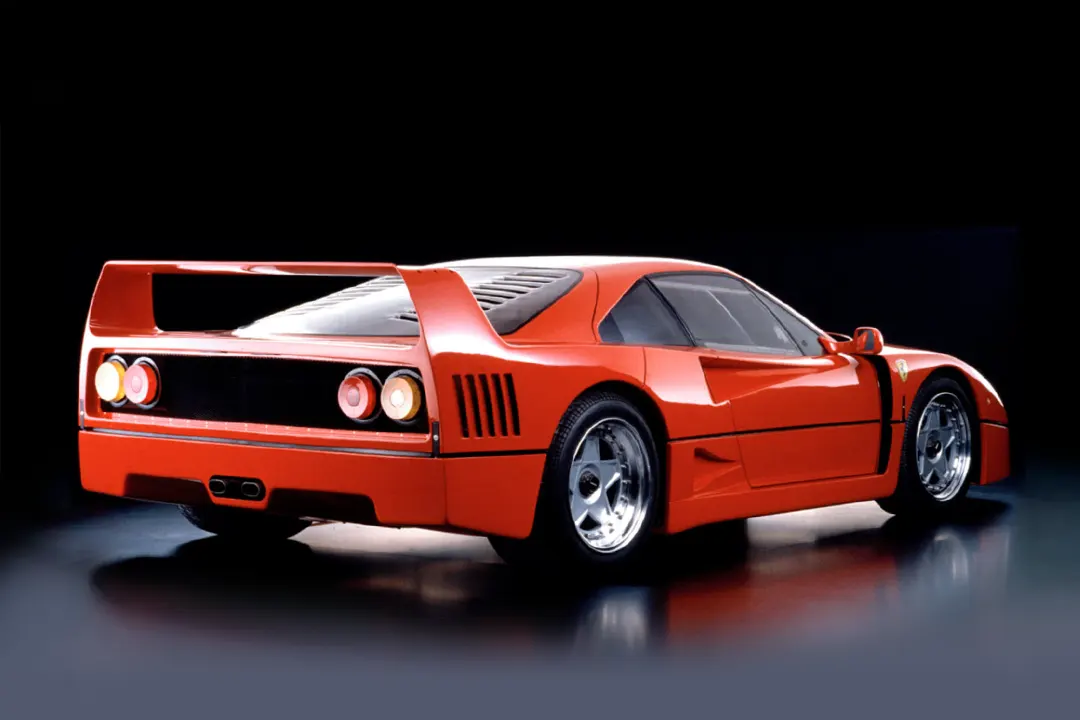
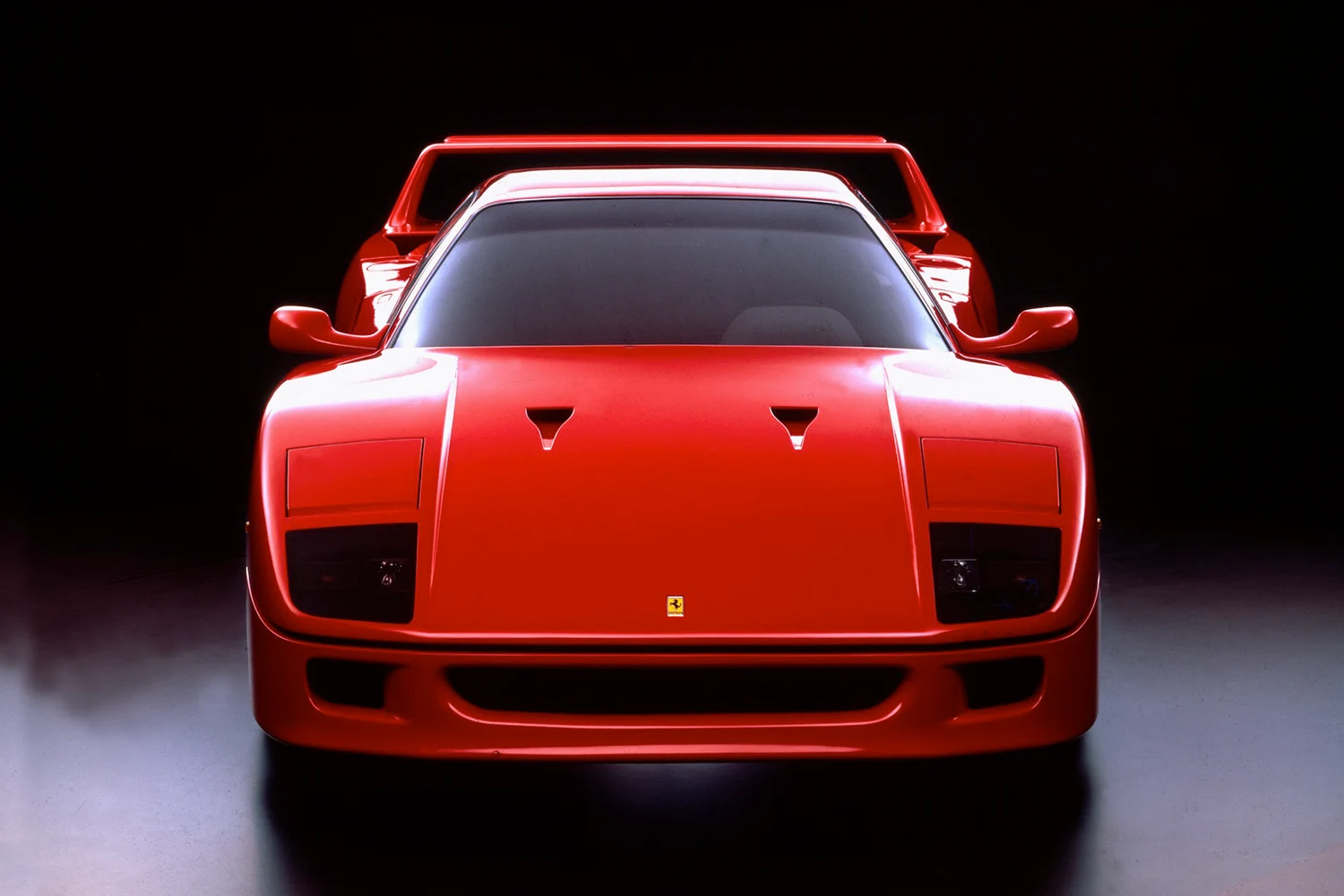
Externally, we can identify the original position of the side-view mirrors at the bottom of the A-pillar. In the engine compartment, we can also see the tubular construction of the intake manifold, which was visible through an engine cover with 20 ventilation grilles, soon replaced by another with a different design that improved the cooling of this nearly 500-PS Ferrari V8 engine.
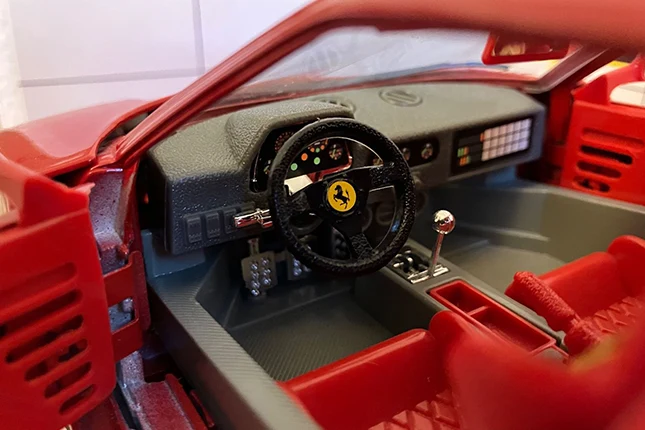
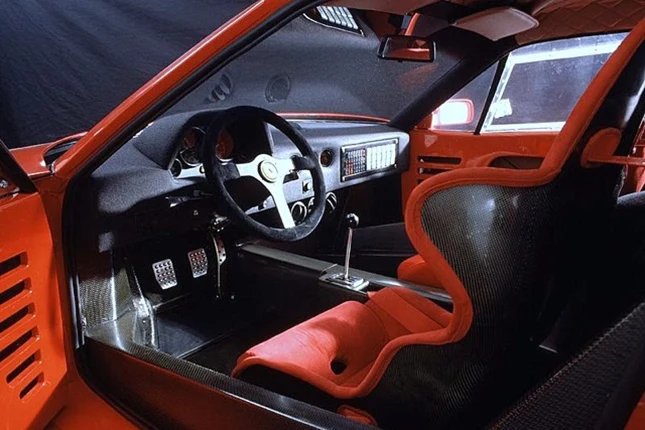
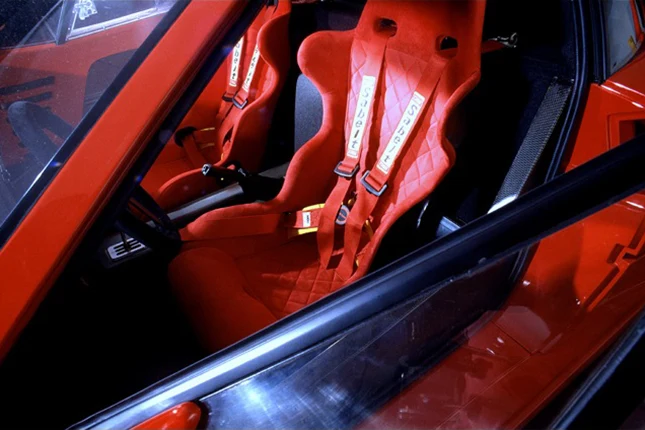
Inside, the placement of the fuse board in the glovebox area is the detail that most closely connects to the early stages of the F40 project, as it is an original feature of the 1986 Ferrari GTO Evoluzione (the model from which it derives) and was not longer used.
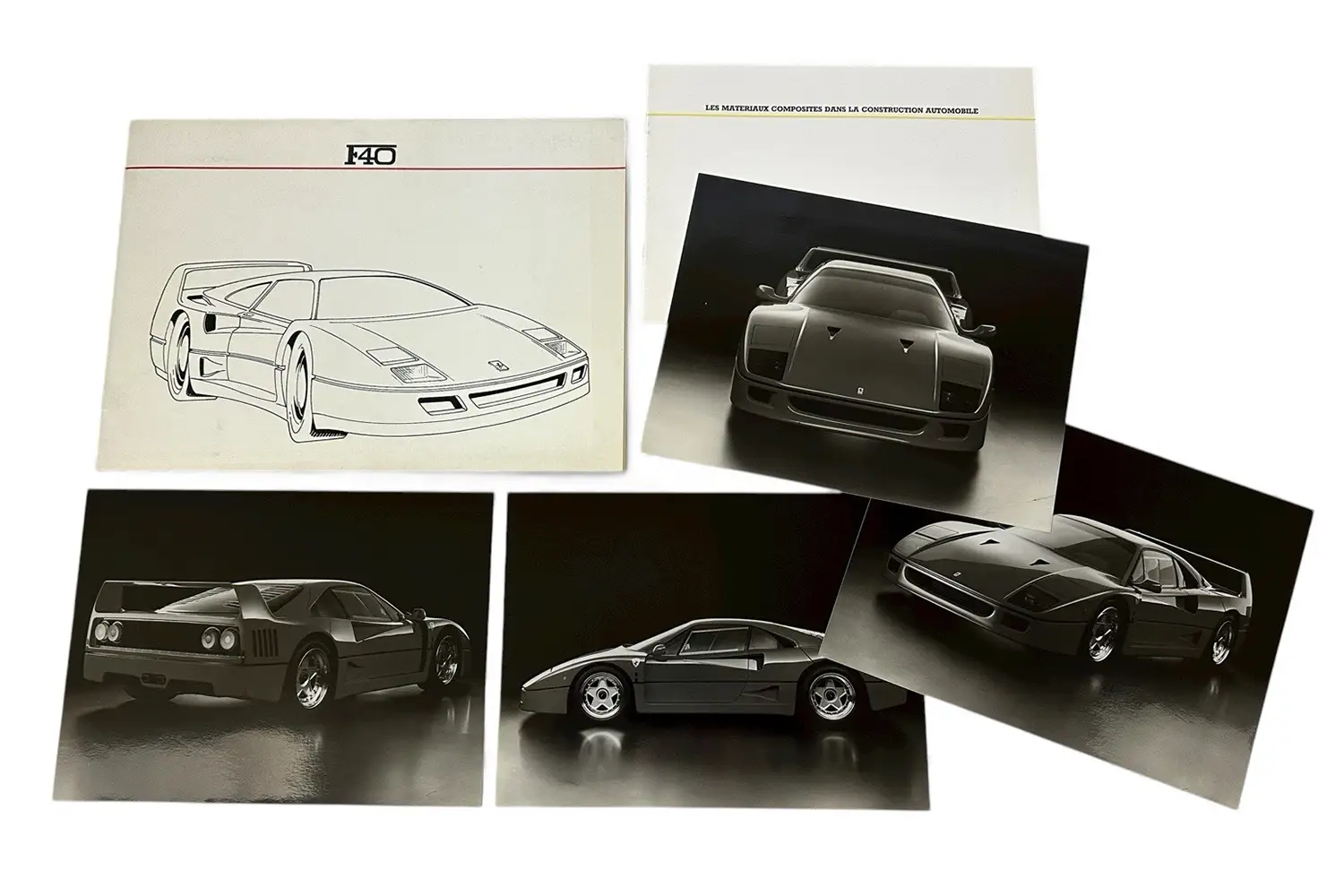
This photograph was undoubtedly a reference for BBurago designers, and it is the only one known to exist. Shows an early suede steering wheel and a transmission tunnel that has not yet been upholstered.
Although this image was published in 1987 alongside other similar ones as part of a marketing brochure, the chassis to which it belongs has not been identified.
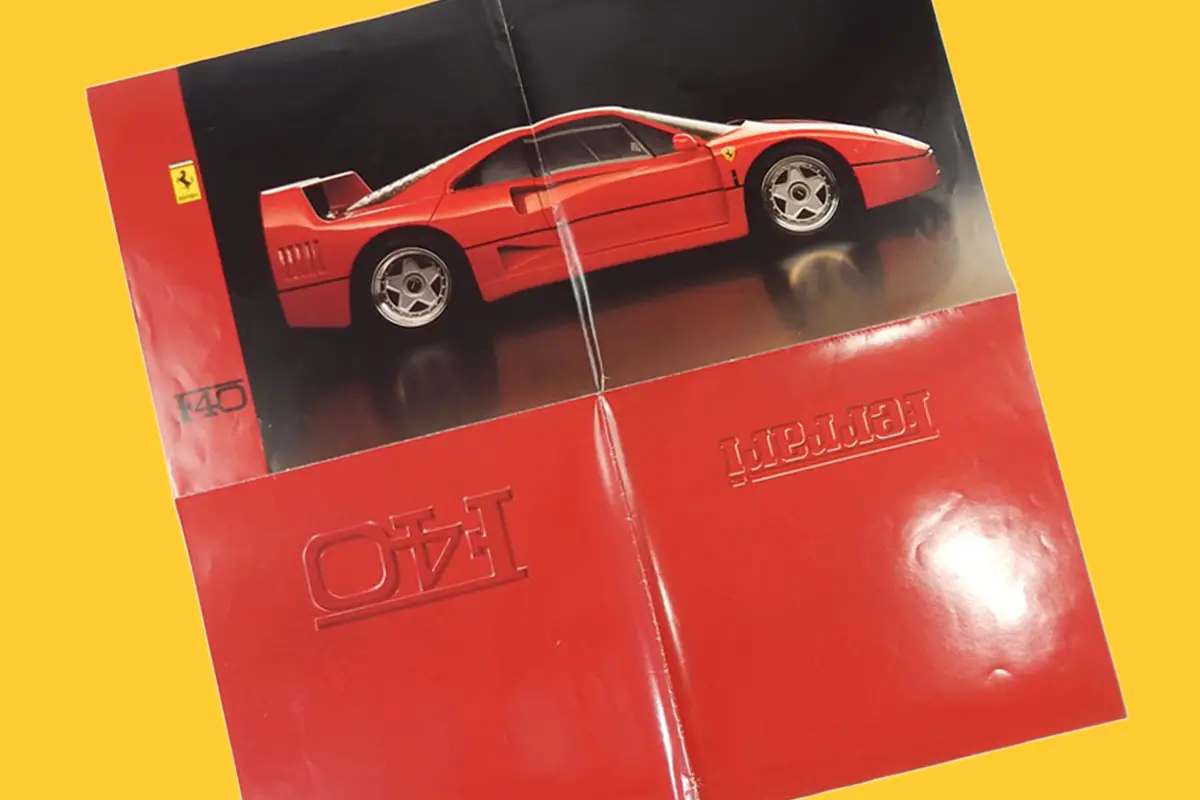
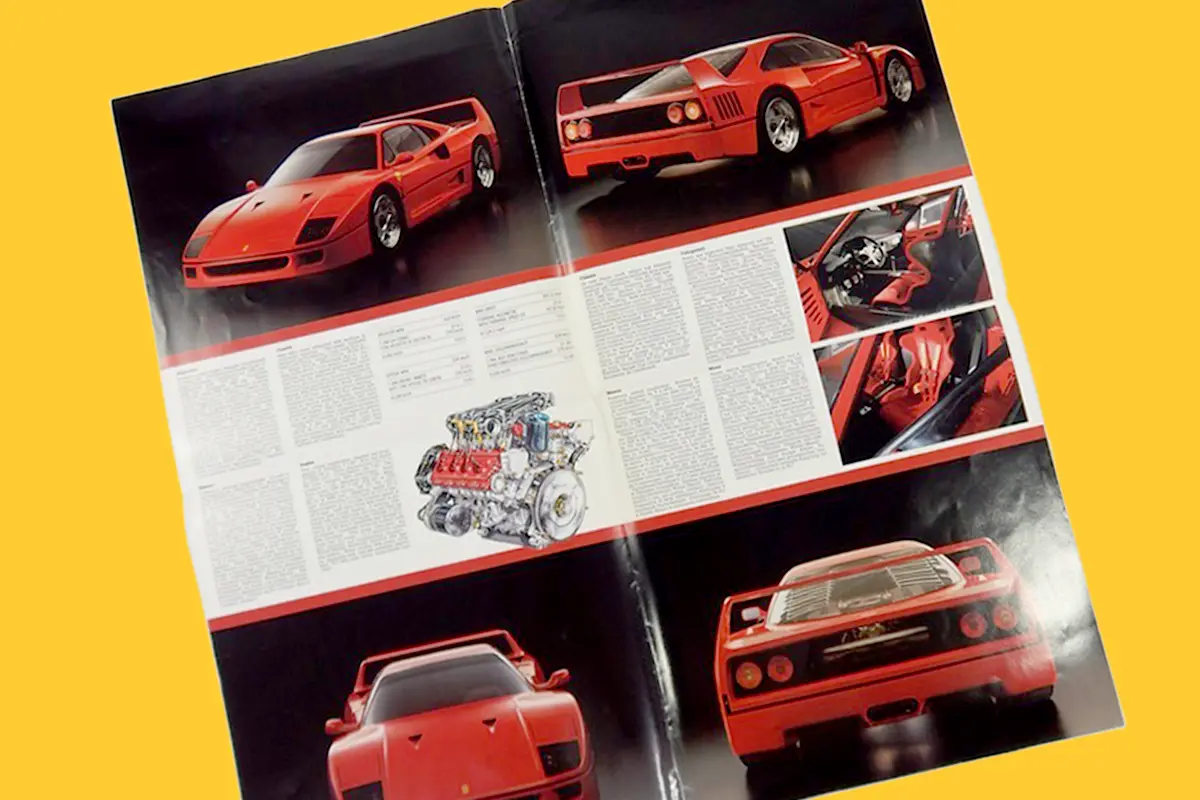
Brochure image gallery (Ferrari ®)
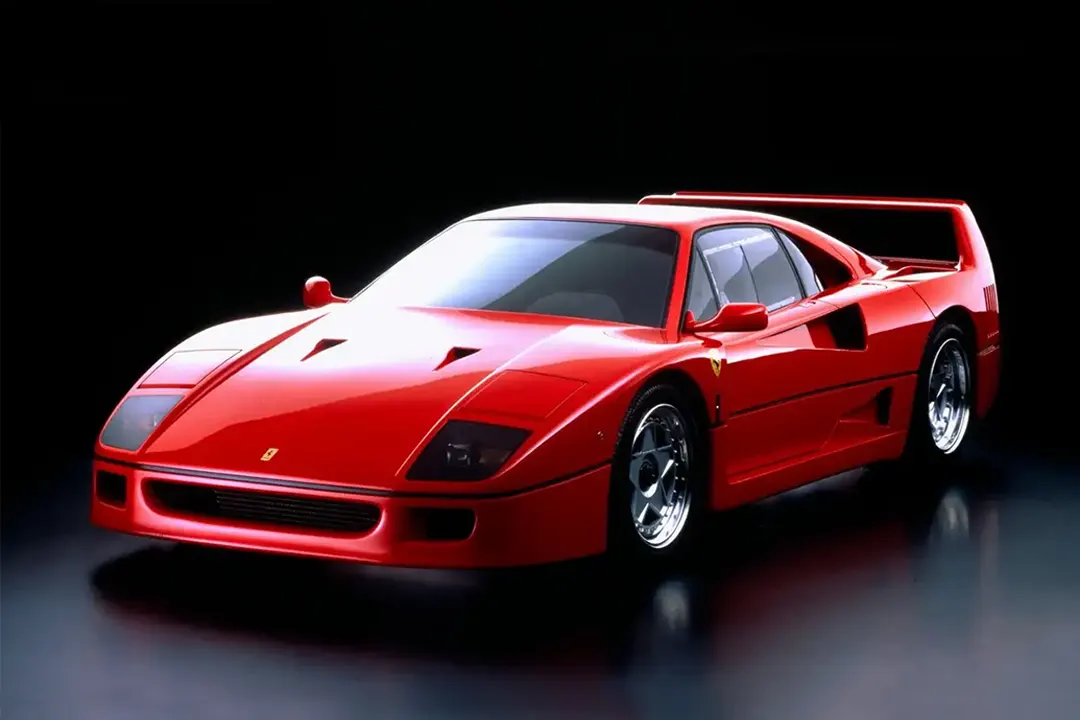
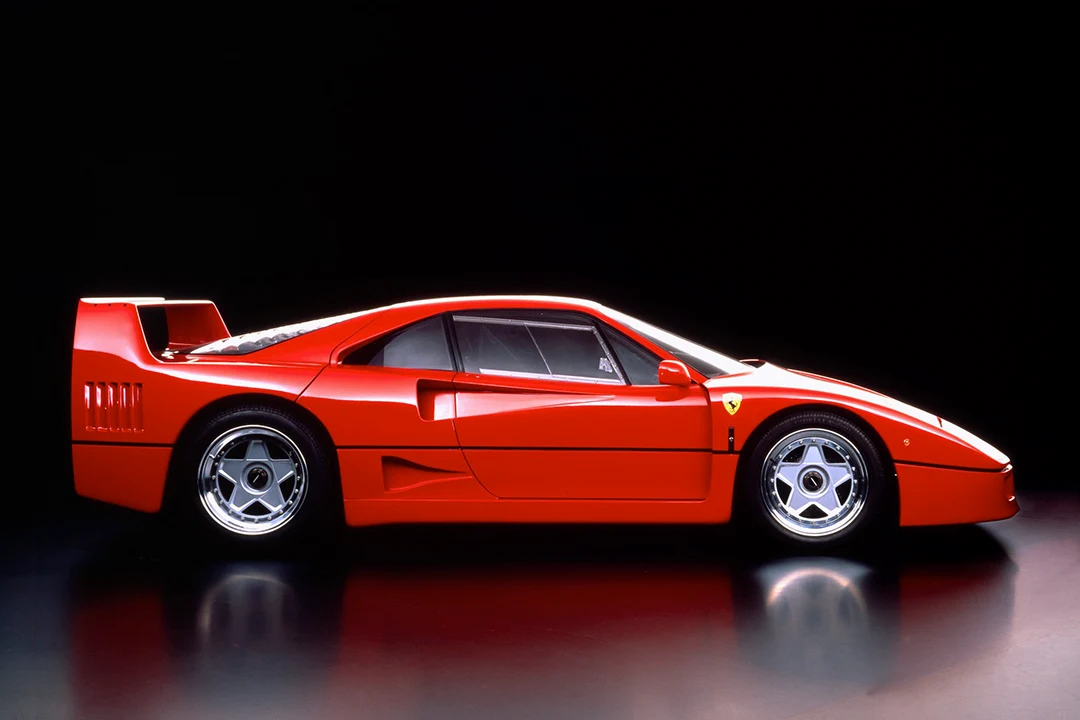
The most sought-after version
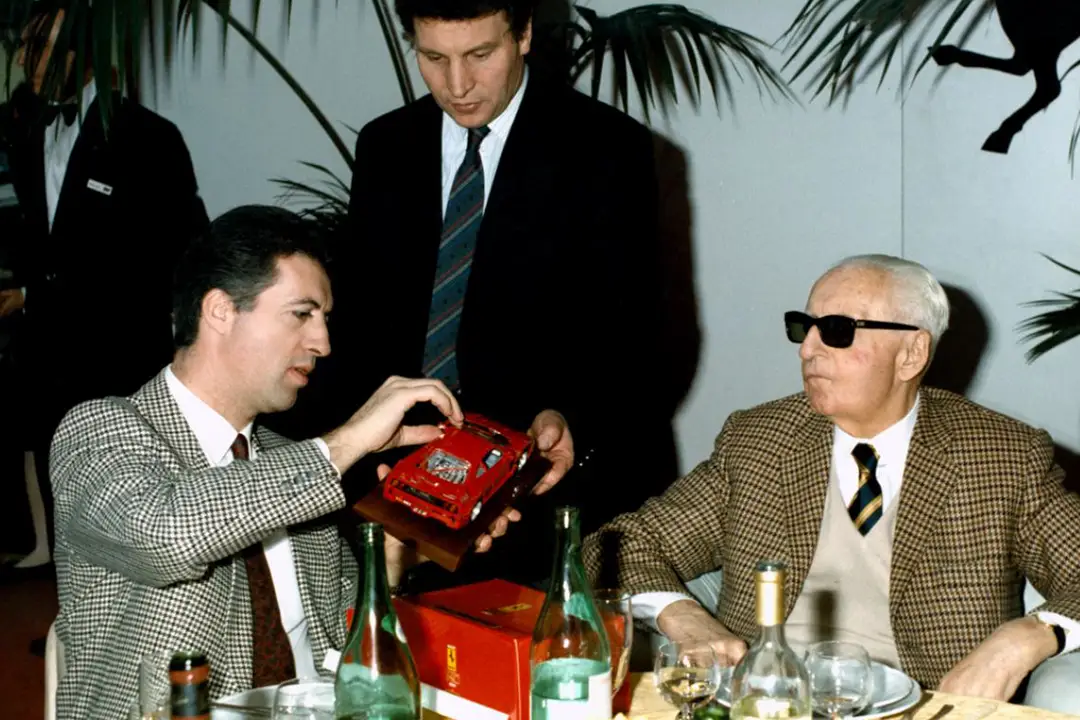
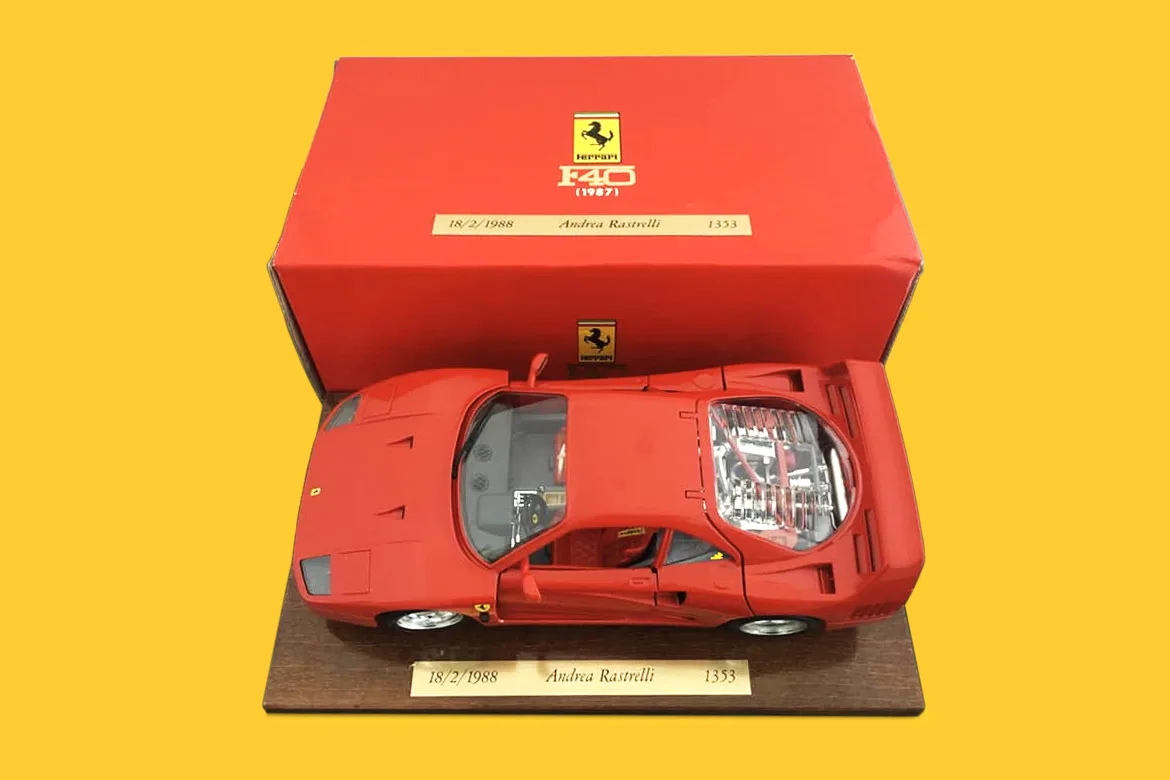
Among all the model versions BBurago manufactured during its more than 10-year production, the most special was undoubtedly the one prepared for Enzo Ferrari’s 90th birthday. Celebrated on February 18 1988, the event was attended by the entire factory team, and each guest received this scale model as a gift. The F40 theme was omnipresent during those months: even the catering held at the factory itself took place where the model’s assembly line had recently been opened, improvising a hall to celebrate the birthday.
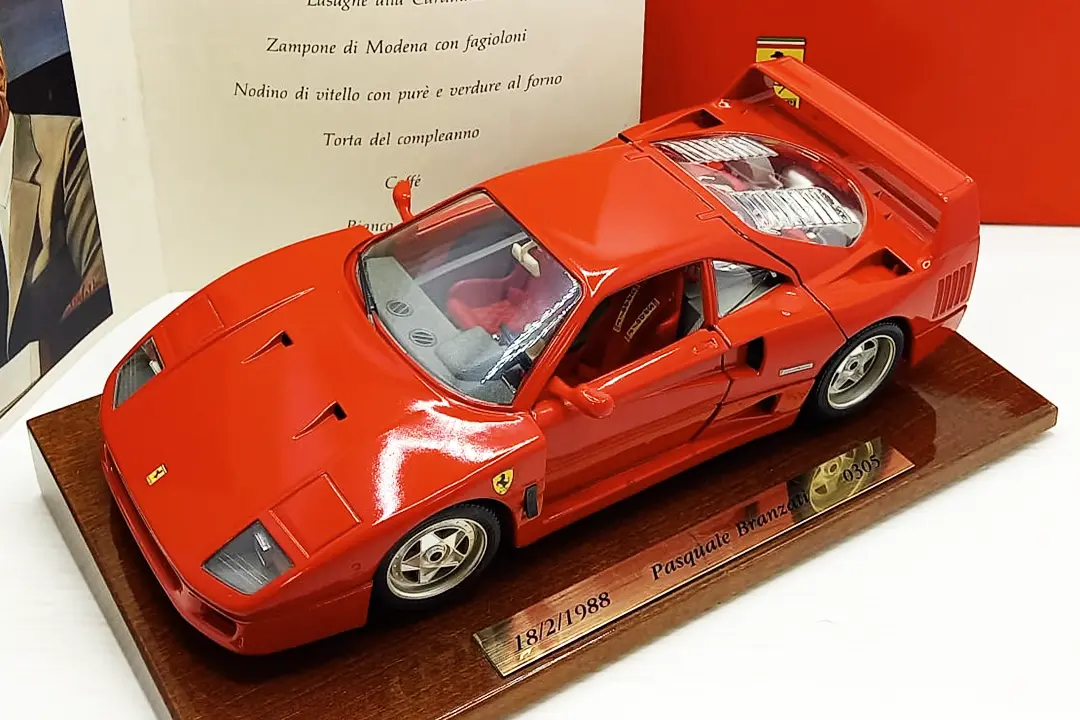
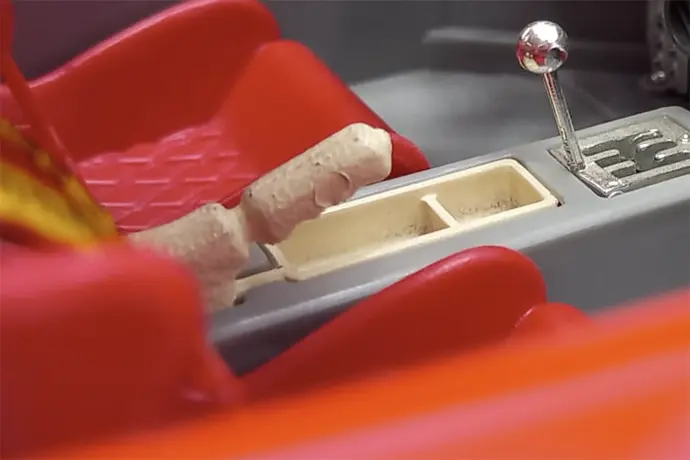
Considering the dates, these pieces are probably part of one of the first runs of this BBurago 3032 reference. These models (around 1,700 units, based on the number of guests expected at the event) have two unique features compared to the model that would eventually reach shops.
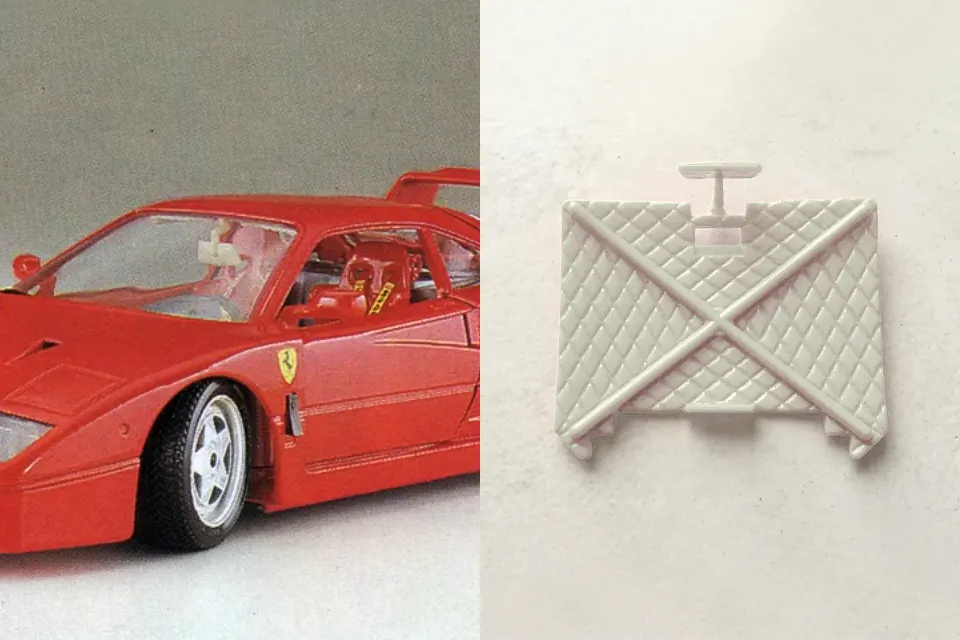
♦ Roof headliner y rear-view mirror in white.
(Headliner design in pre-series F40s was unique and reproduced faithfully by BBurago)
♦ Handbrake also in white.
The models came with an exclusive wooden base and unique packaging, both personalised with the birthday date, the guest’s name and the serial number. In addition to the model car, each attendee also received a commemorative medal.
Due to the significance of the event and its close connection to Enzo Ferrari himself, these pieces rarely come to light and are relevant in the diecast world.
Start of production
Although it was used for catalogue photographs, there is no record of BBurago also selling in shop these pieces manufactured for the Commendatore’s last birthday. Hence they have a pre-series or exclusive edition status.
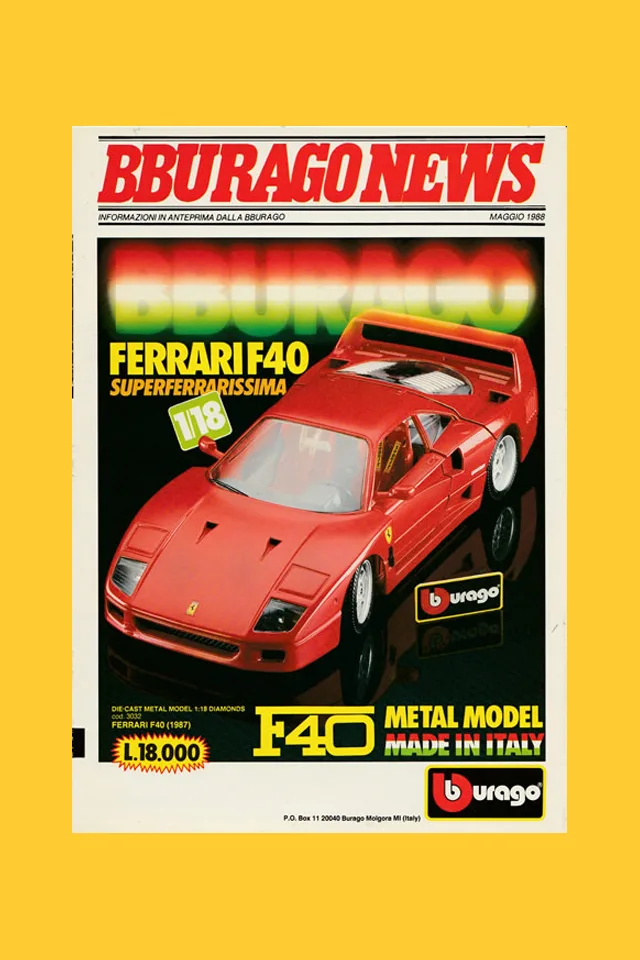
Quattroroutine specialist magazine was one of the first to showcase BBurago’s F40, featuring it on the cover of its second issue of 1988 (April-June). BBurago News officially announced it in May of that year, and it became the novelty of the season.
In addition to the aforementioned difference in colour between the two interior components (roof headliner and handbrake), the product arrived in stores with simpler packaging and a plastic base.
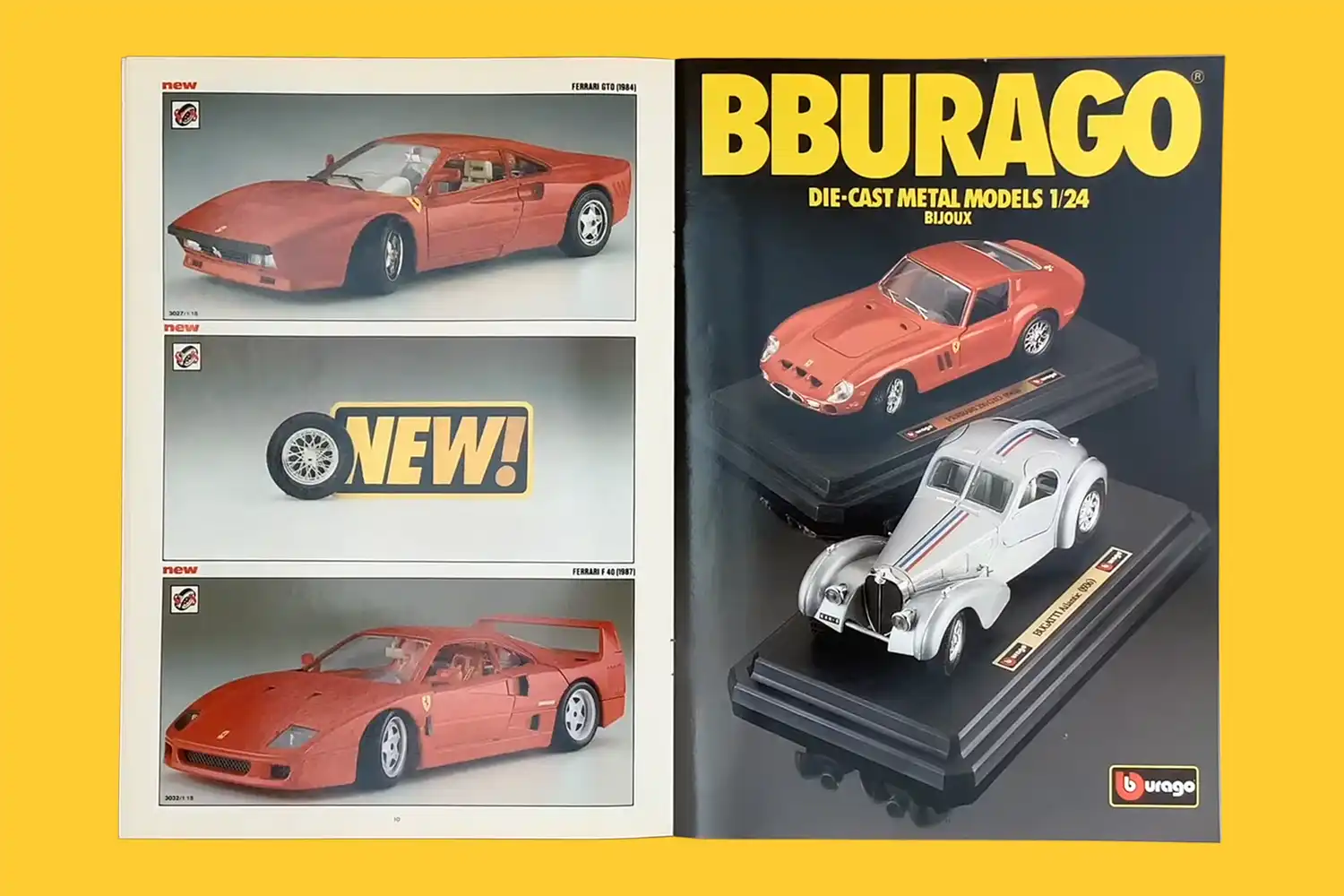
The model proved to be a resounding commercial success (undoubtedly thanks to the impact of the F40 itself) and remained on sale throughout the 1990s. This long commercial life unleashed several versions, limited editions and even a reissue in 2017 to mark the 30th anniversary of this legendary sports car.
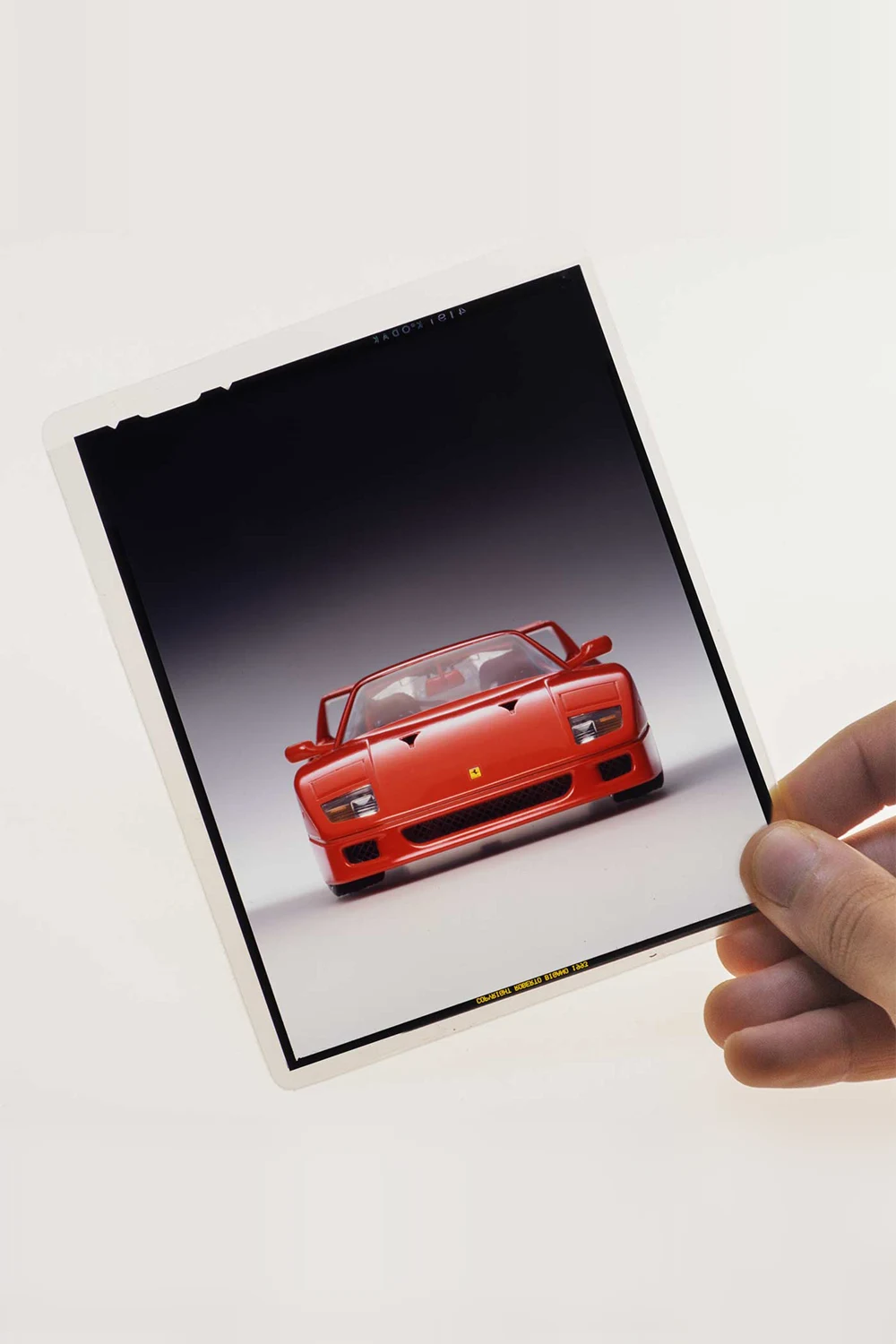
Based on a prototype, BBurago nevertheless marketed it as a production F40.
Thanks to the trust placed by Ferrari, BBurago had the privilege of manufacturing the first model car of the F40, one of the most important vehicles in Ferrari’s history. It also managed to offer enthusiasts the chance to move from the two dimensions of a poster to the 3D of a model car, bringing them a little closer to this unattainable legend on wheels, all for a reasonable price.
For those who still have it, it will have been gratifying to learn of the important relationship this model had with the founder of Ferrari himself, who would pass away just a few months later.
Cover image credits: Roberto Bigano – ikonographia.com | BBurago ® | Buy here