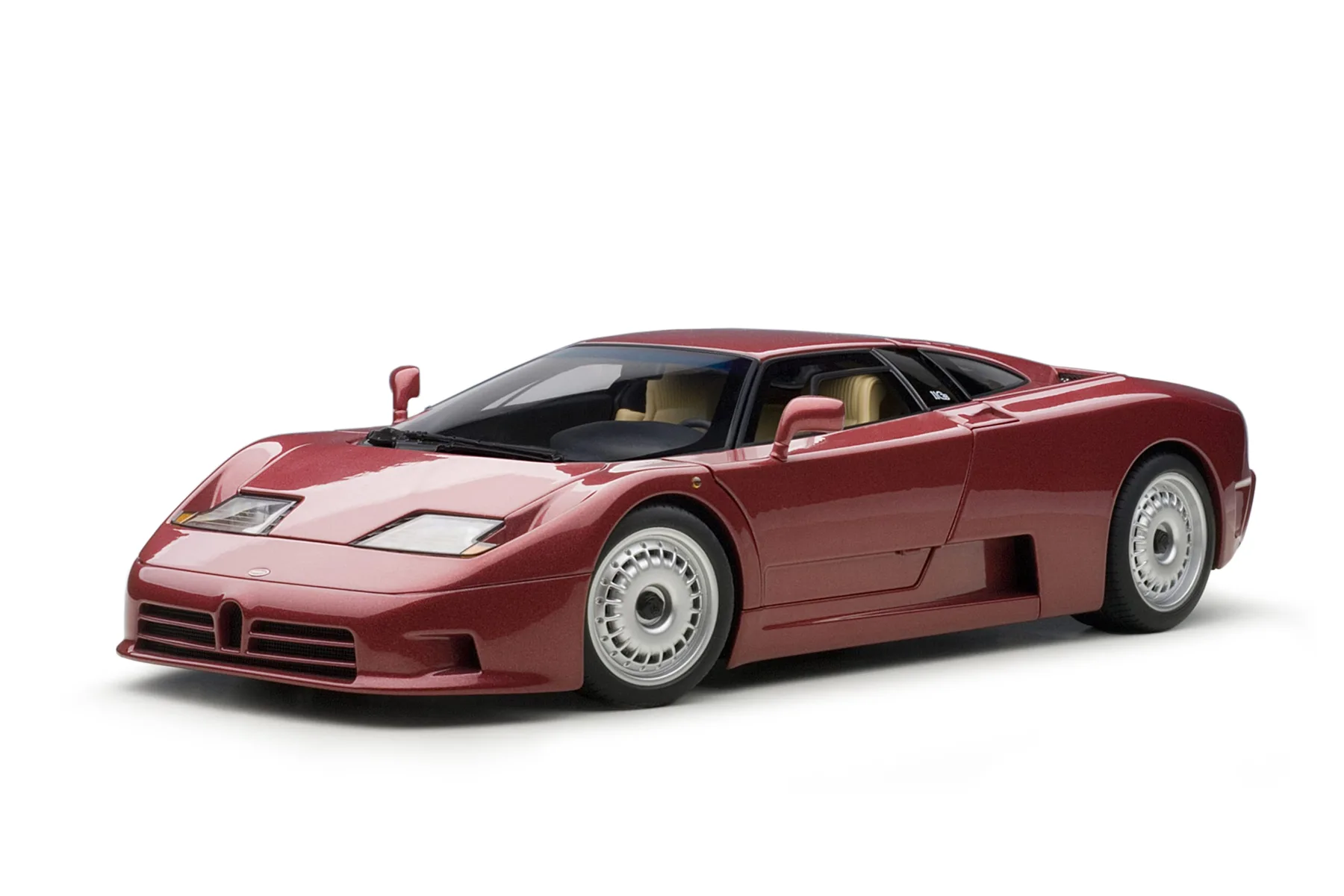
EB110
Bugatti’s rebirth in Italy, aimed to create the most advanced supercar of its time.
Bugatti’s rebirth in Italy, aimed to create the most advanced supercar of its time.
1991-1995, 1999-2002
115 units aprox. (+10 "Dauer" units)
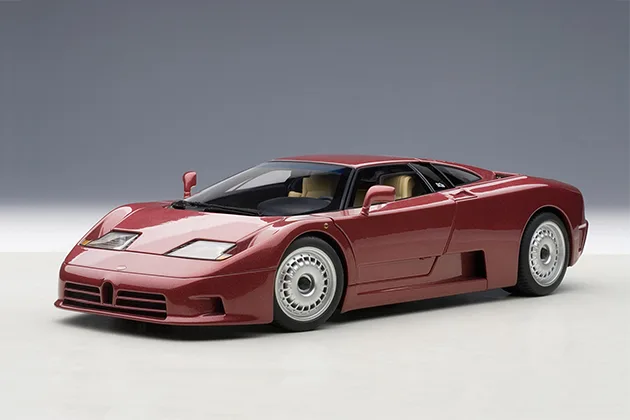
2 seats
After more than 30 years of inactivity, the legendary Bugatti brand launched a new model. To pay tribute to its founder, the car was unveiled on 15 September 1991, the day on which Ettore Bugatti would have turned 110. The new creation had to meet the highest standards among the supercars of the time: we are talking about the Bugatti EB110.
Bugatti’s second period began in the late 1980s when industrialist Romano Artioli acquired the brand’s rights and developed an entirely italian project that would result in the Bugatti EB110, one of the most controversial supercars of the late 20th century. To this end, Artioli set up the factory in the Modena area, and its departments were led by engineers with previous experience at car brands nearby (such as Ferrari and Lamborghini).
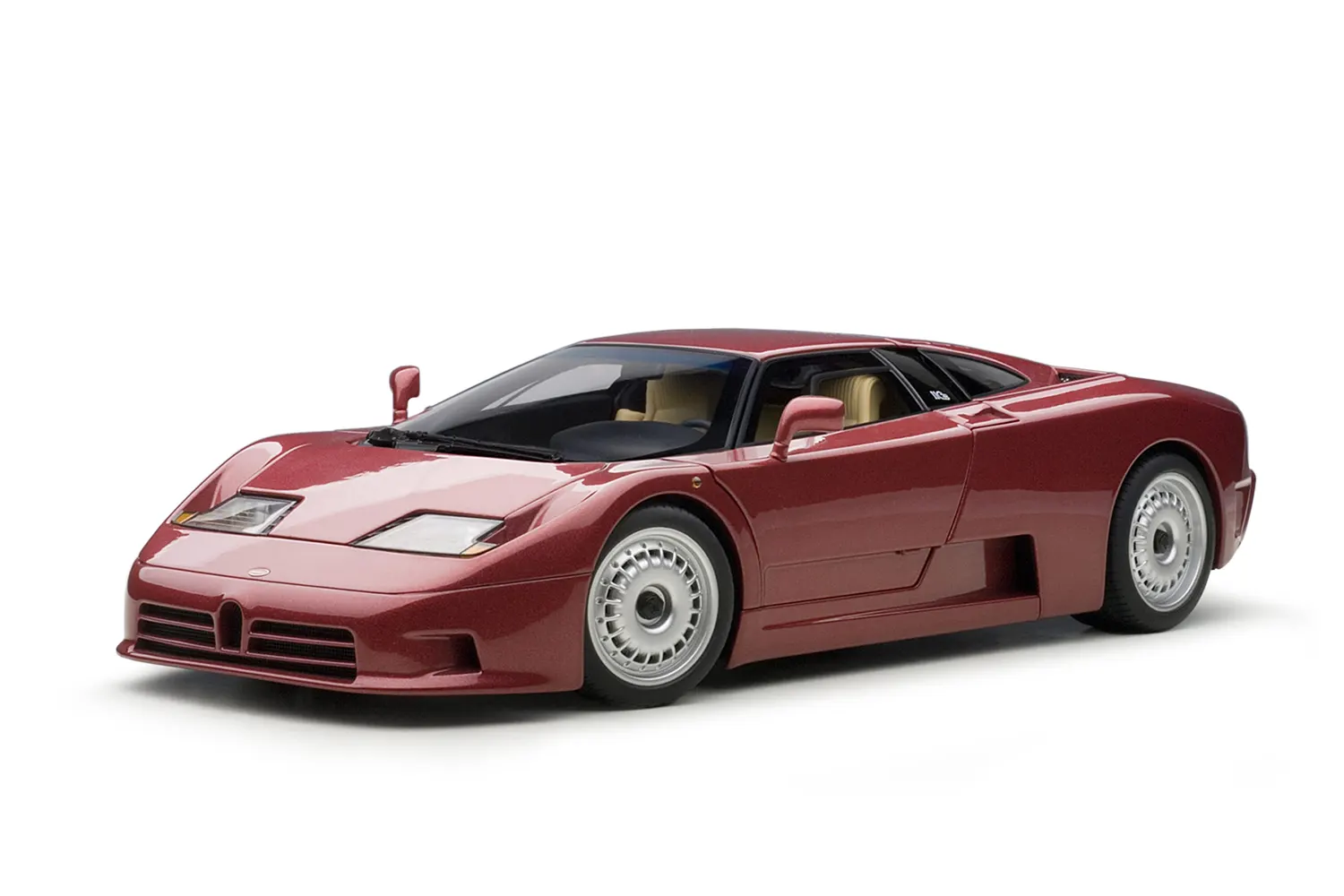
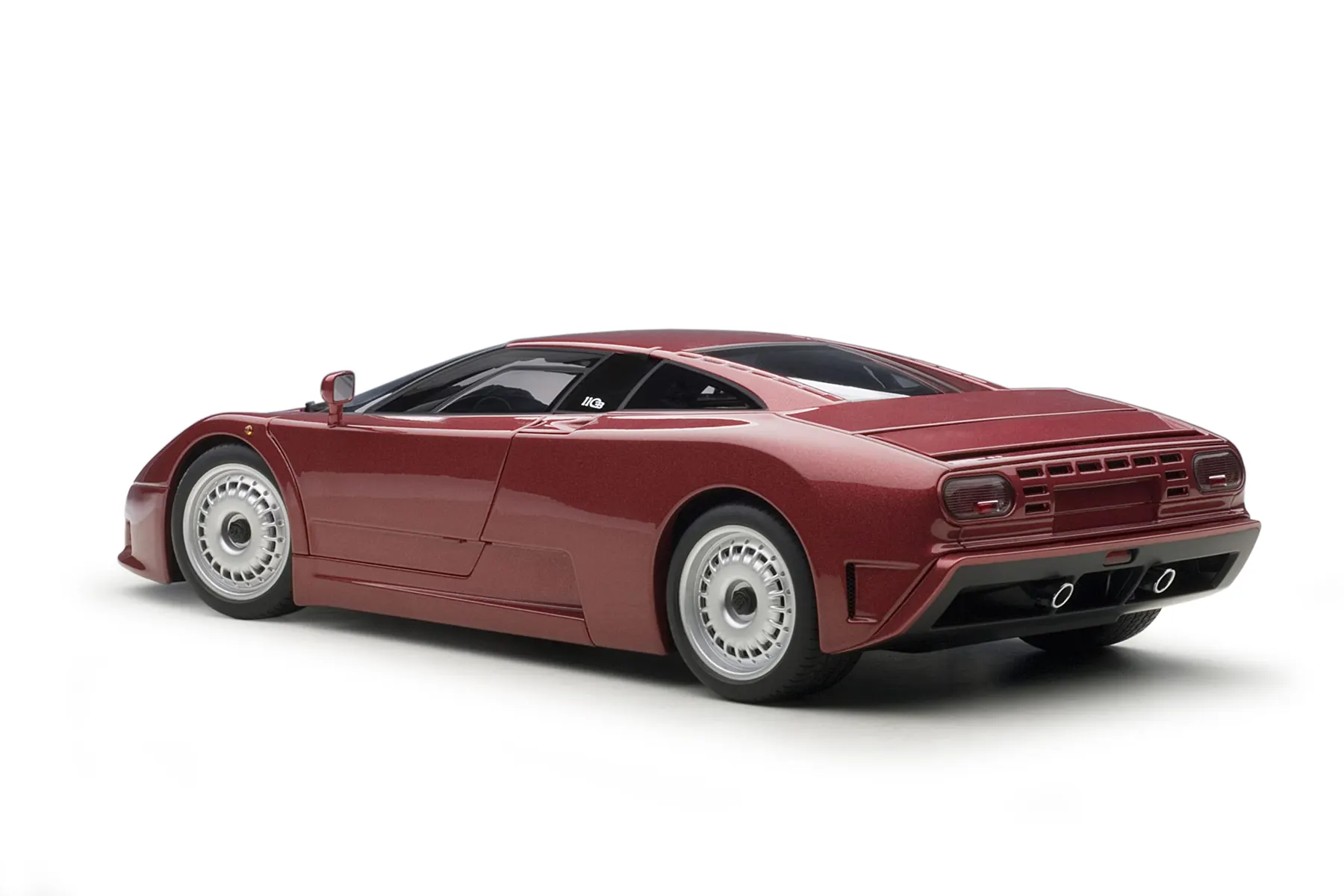
Component layout followed the mid-engine design (already a undeniable reference in the 1980s) but with the addition of an all-wheel drive system. The whole thing was a work of precision engineering, with the gearbox unusually located, both parallel to the engine block and at the same height as the crankshaft (something never seen before). This created a more compact assembly, closer to the ground than if gearbox had been placed under the engine block (as was the case with Countach or Testarossa). Fuel tanks were located on each side of the V12 engine, for a total capacity of 120 litres.
The front section was reserved for the cooling radiators and battery. Luggage space was very limited, and the vehicle was sold with a set of two custom-made suitcases that could be placed behind the seats. They were upholstered by Poltrona Frau.
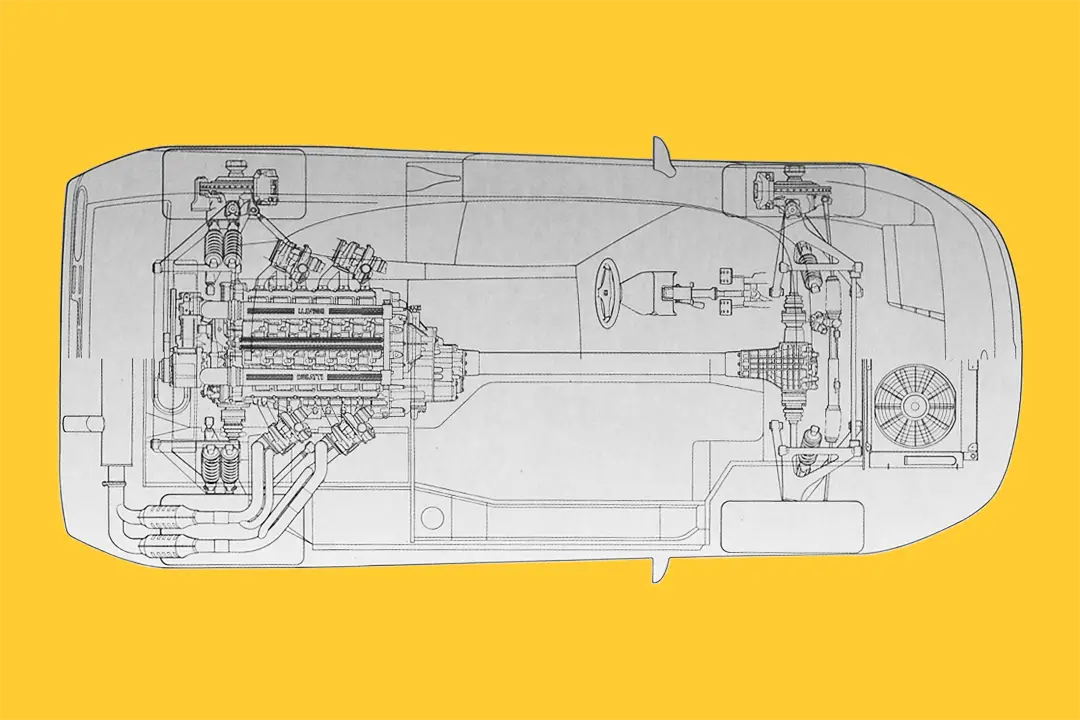
Chassis construction posed a challenge, as a classic tubular frame was discarded in favour of an innovative monocoque structure whose main material was aluminium sandwich (honeycomb) covered with carbon fibre. It cannot strictly be considered a carbon fibre monocoque )a design that would be introduced shortly afterwards in the McLaren F1).
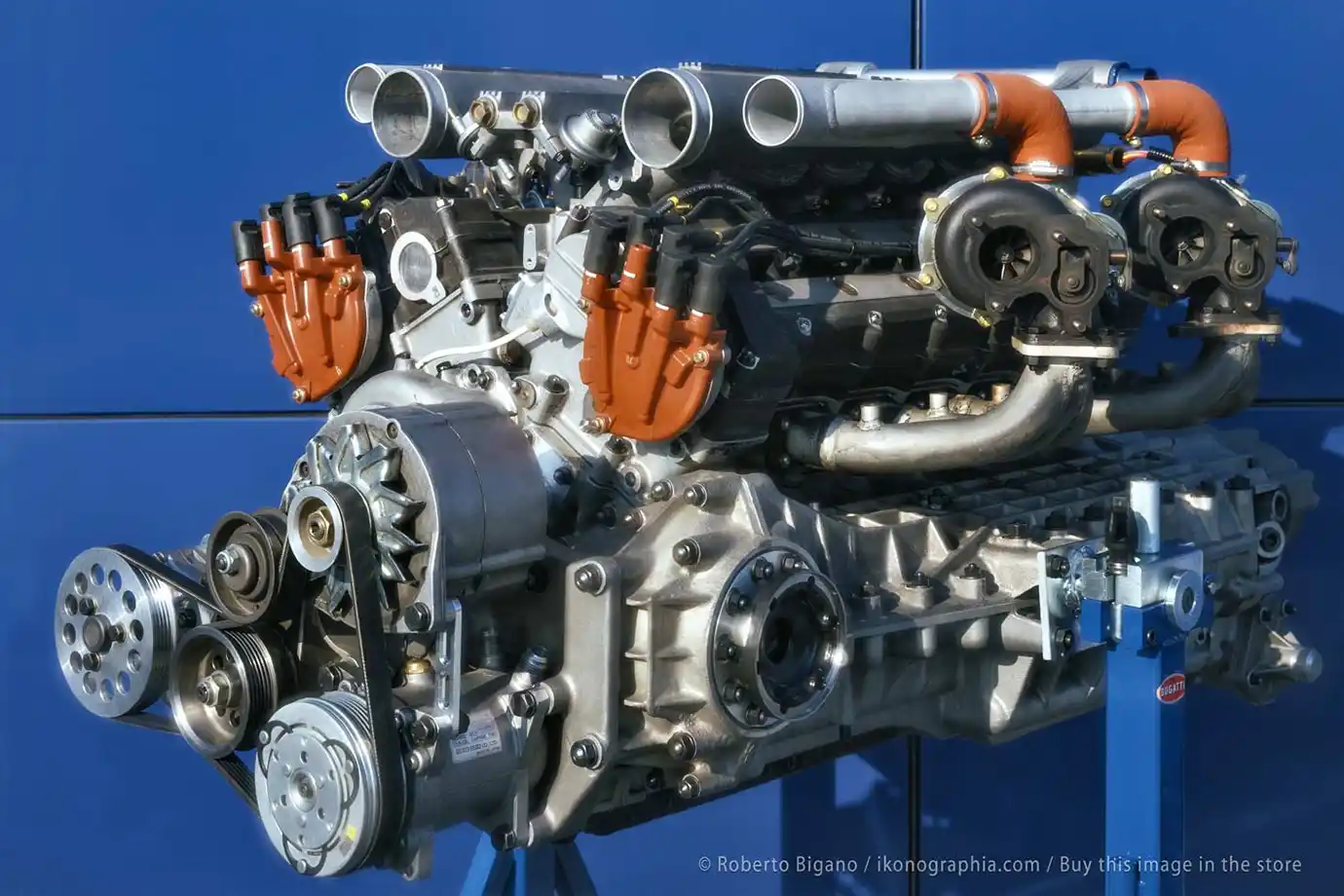
The engine of this Bugatti followed the same principles of excellence and technical innovation as the rest of the project. Its V12 architecture had a displacement of 3.5 litres (the standard for Formula 1 at the time) and the addition of four small turbos (designed to optimize boost vs. lag) enabled a performance level that exceed the 500 PS barrier. This engine also pioneered the use of five valves per cylinder in production cars.
Moreover, the all-wheel drive system was coupled with a 6-speed manual gearbox.
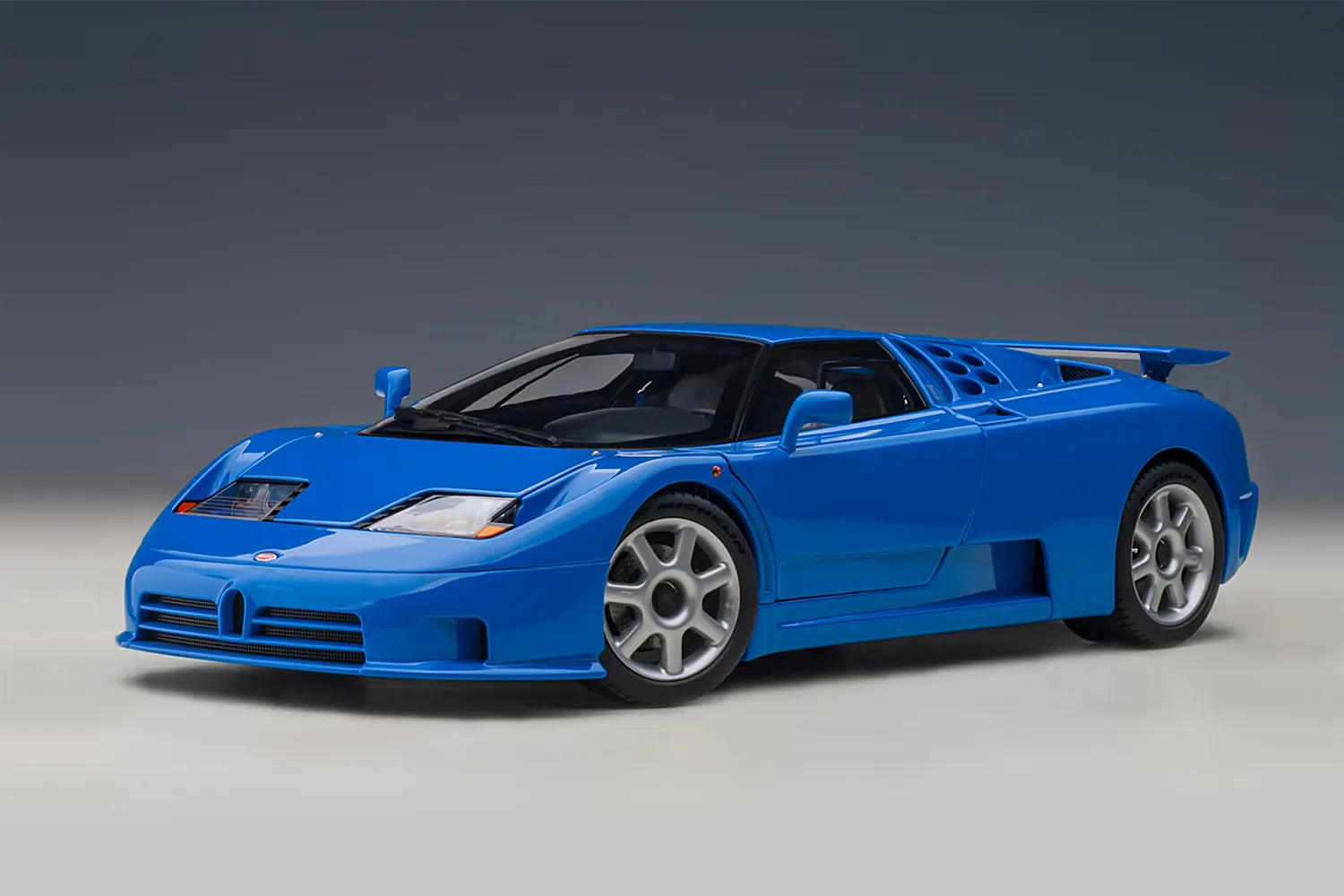
In 1997, Dauer acquired all of Bugatti’s remaining stock following its bankruptcy (including semi-assembled vehicles and chassis). Using these chassis, Dauer put together several vehicles under its own brand name with improved engines and carbon fibre bodywork. These last EB110s, built at the start of the new millennium, could be fitted with an additional 705 PS power kit.
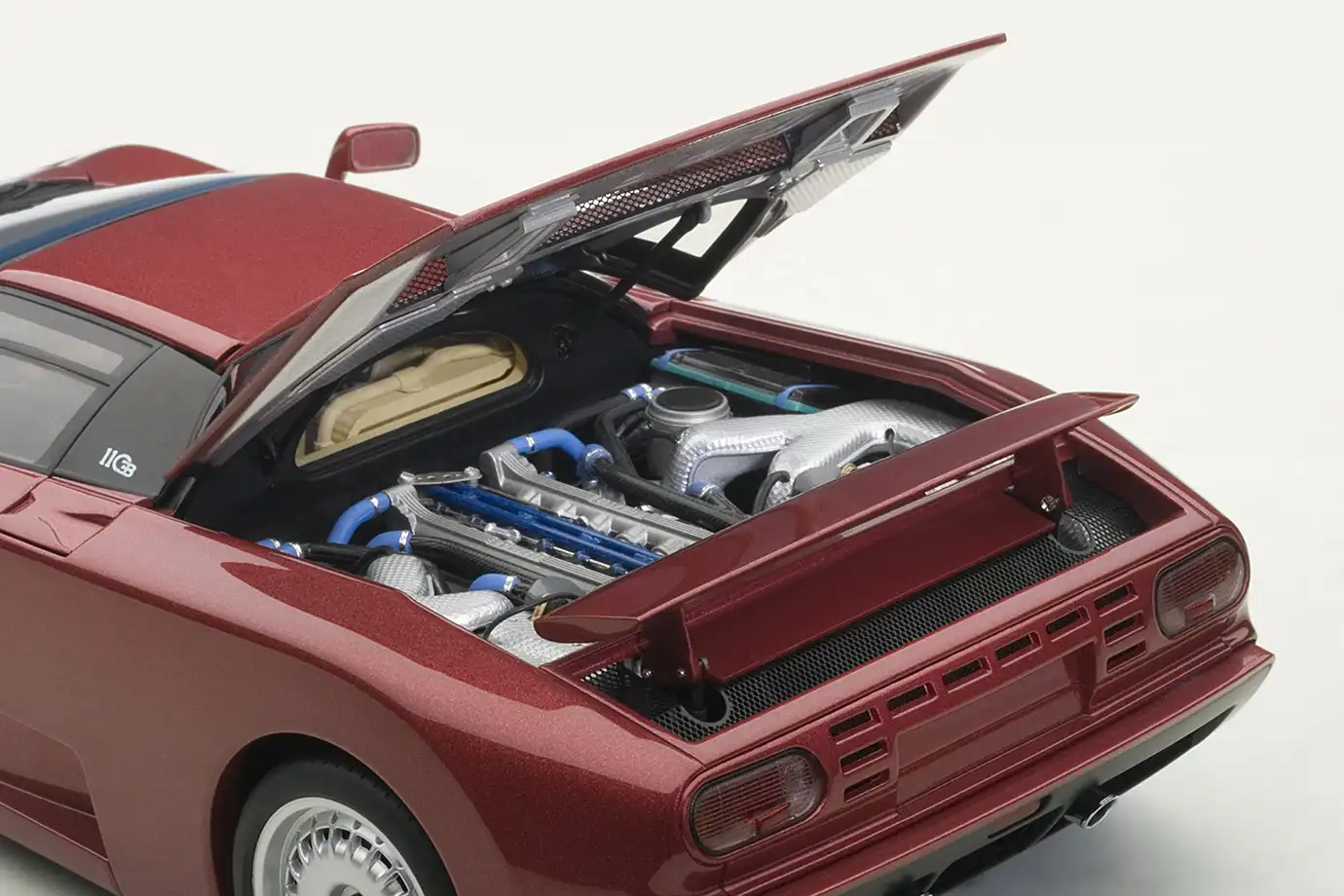
Several styling houses were selected to propose a body for the model, but finally Marcello Gandini was chosen for the task due to his close relationship with engineer Stanzani (with whom he had worked at Lamborghini). After showing an initial design, Artioli requested a second proposal with softer lines. The front and rear ends also underwent significant changes. However, its characteristic scissor doors (already used on the Countach) survived in the final design. Due to disagreements with Artioli, the legendary italian designer left the project and some minor modifications were made by Giampaolo Benedini. Interestingly, this architect was responsible for the avant-garde buildings that housed Bugatti’s new facilities and had some experience in racing.
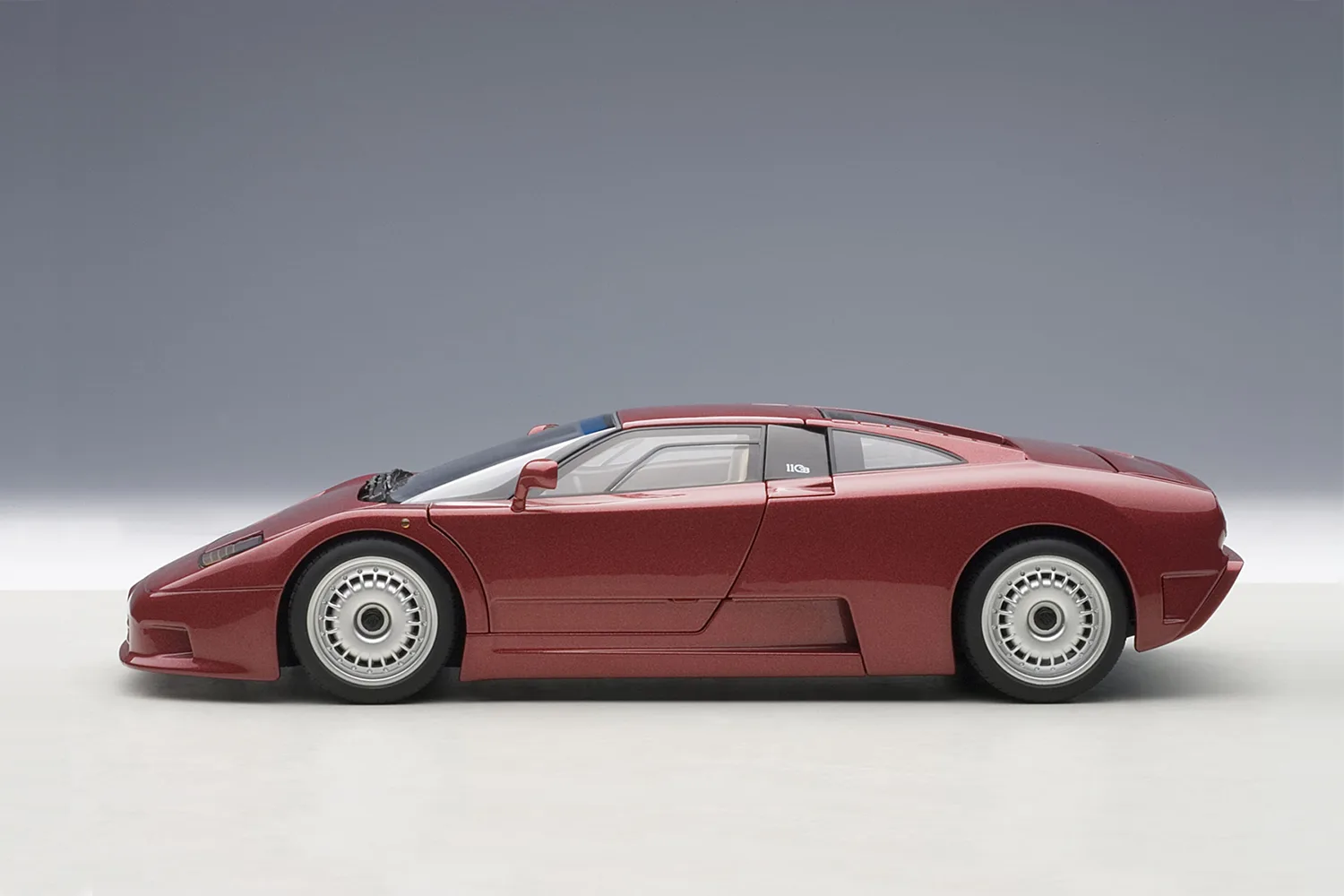
The final result was highly controversial—especially front headlight design—and received a lukewarm reception from the specialist press. From an aerodynamic point of view, front bonnet design is interesting as it is practically flush with the windscreen and has a very low rake angle. In addition, the GT version had an electronically controlled retractable rear spoiler.
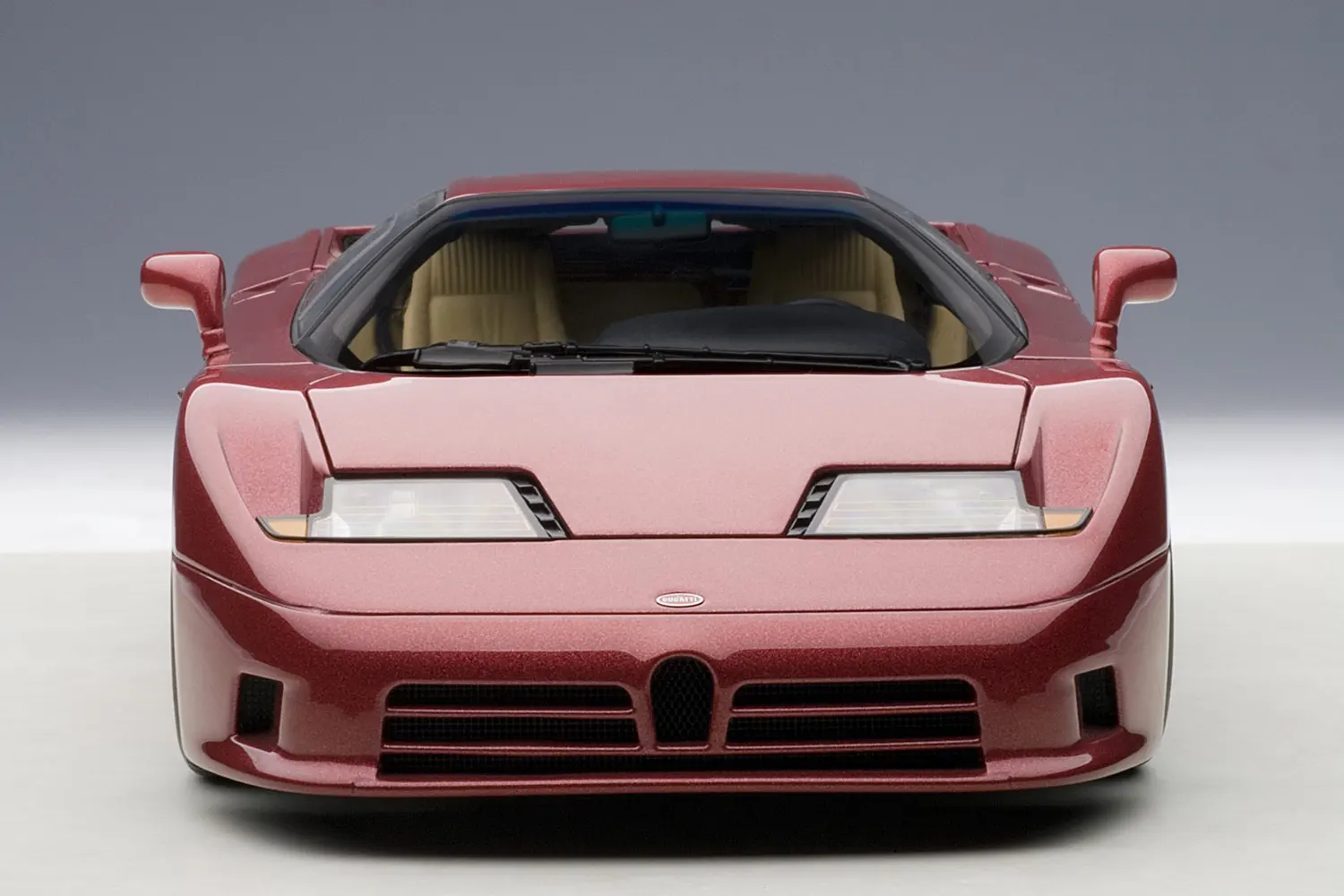
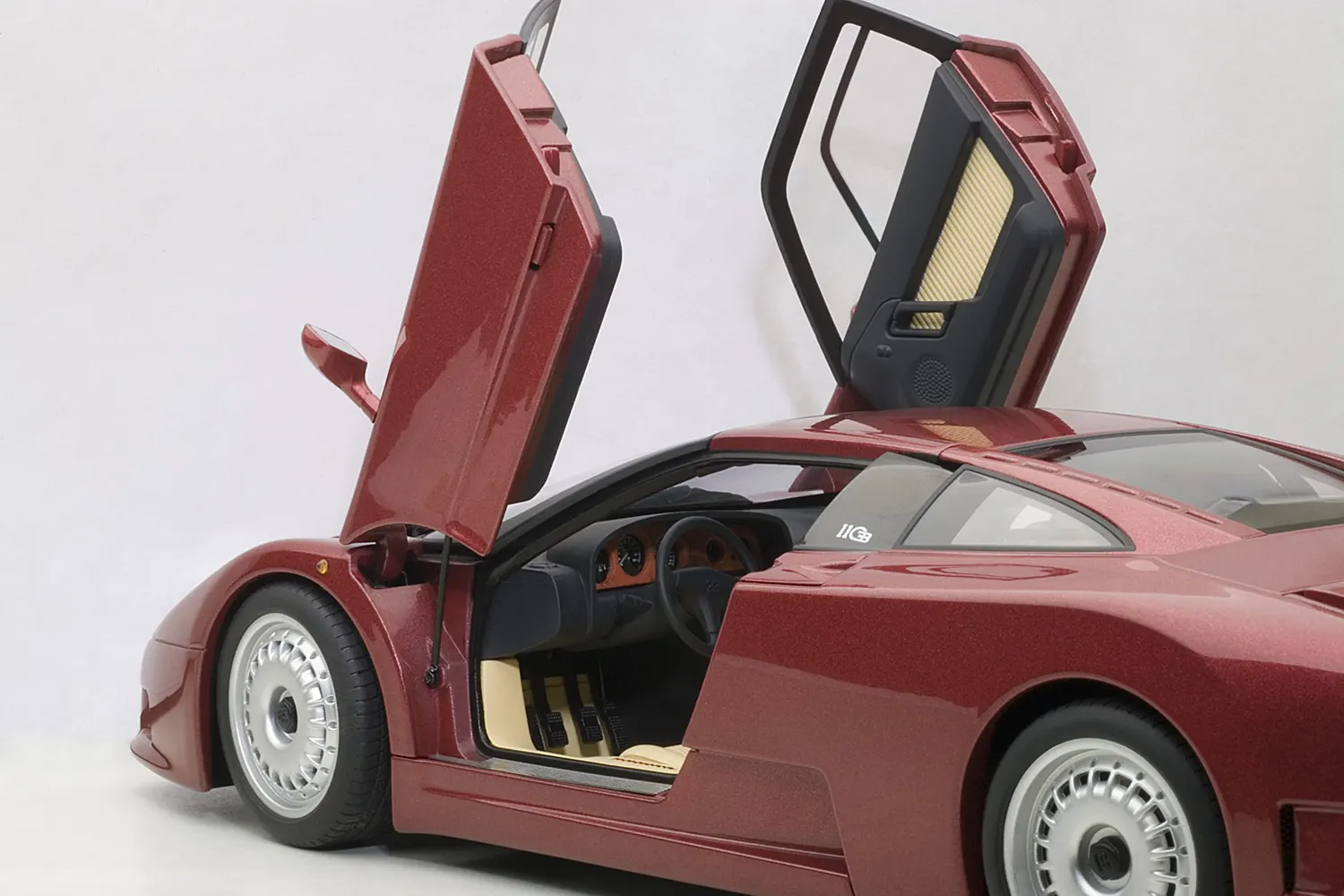
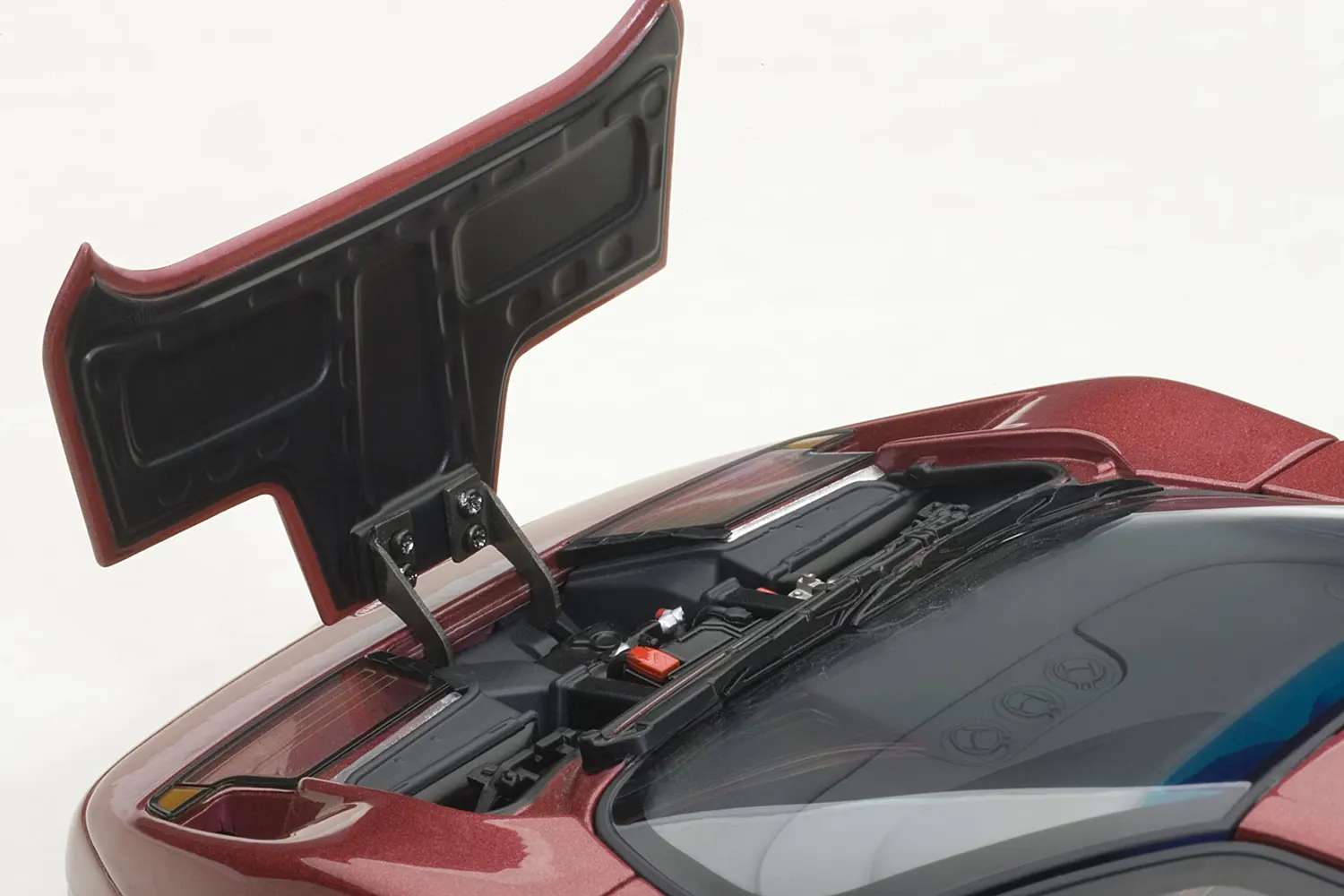
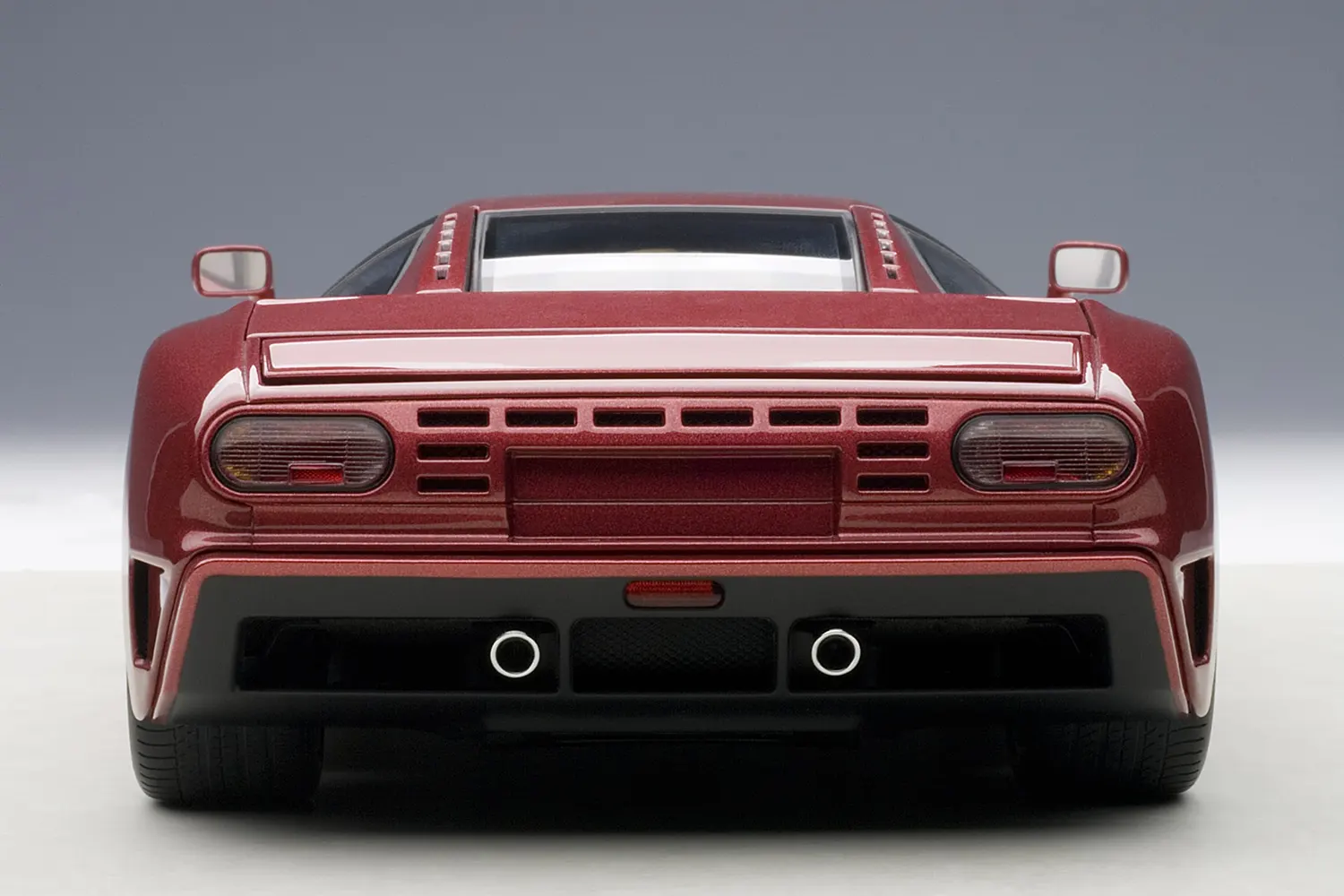
When the first units were delivered in December 1992, the EB110 GT officially entered the list of the fastest production vehicles of all time. Its proximity to the 350 km/h barrier made it the great rival of the Jaguar XJ220, another great sprinter of the time. Unfortunately, it also shared with the latter a short commercial life, caused by significant changes in the economic global situation at the time, which even led to the demise of Bugatti brand itself and deprived us of seeing new creations from this great italian project. It only enjoyed a degree of continuity thanks to its return to the market through the Dauer company, and also thanks to B. Engineering, which in 2000 created a new bodywork and launched exotic rear-wheel-drive Edonis supercar.