A question never raised
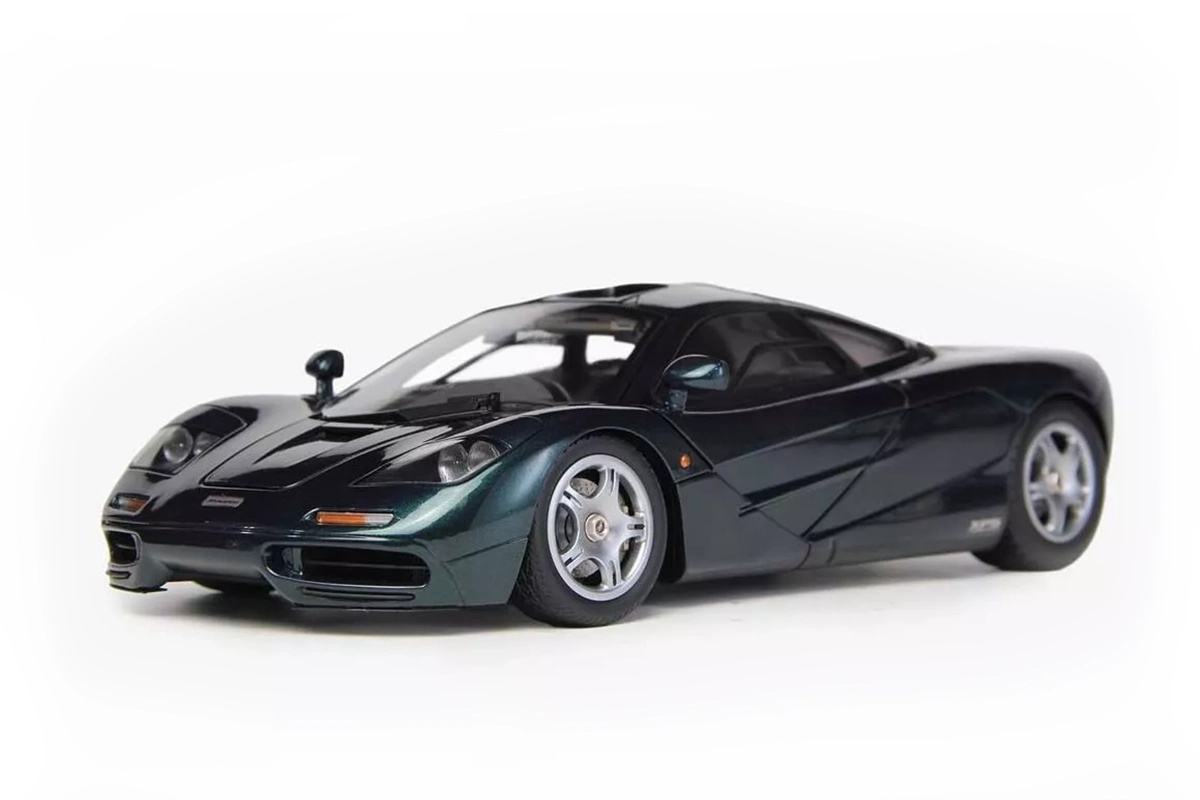
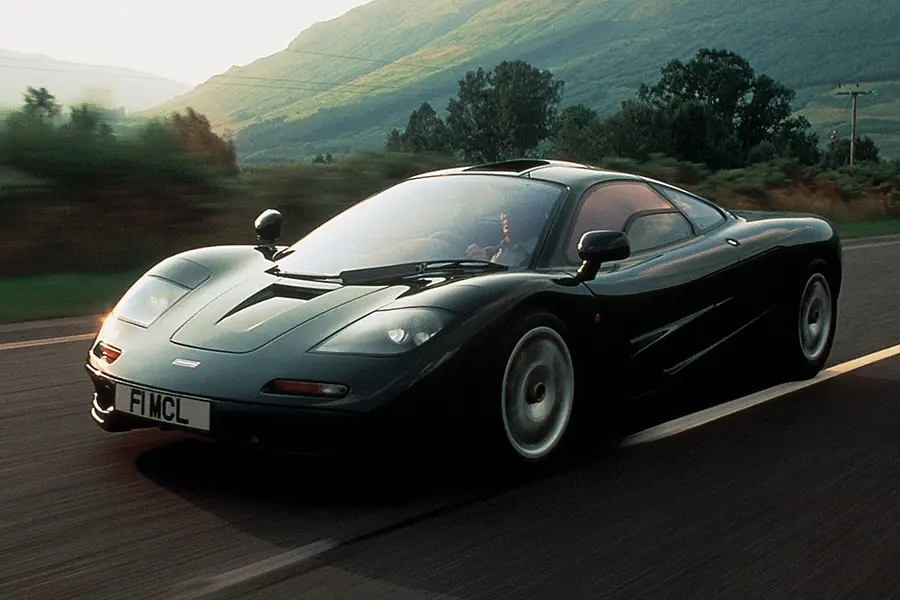
When Gordon Murray and his partners conceived the McLaren F1, they never set out to design the fastest production car in the world. Their efforts were focused on achieving an unparalleled driving experience (a goal they achieved). It was in the final stages of the project (the last units were being manufactured) when they considered testing the car’s top speed.
The prototype rescue
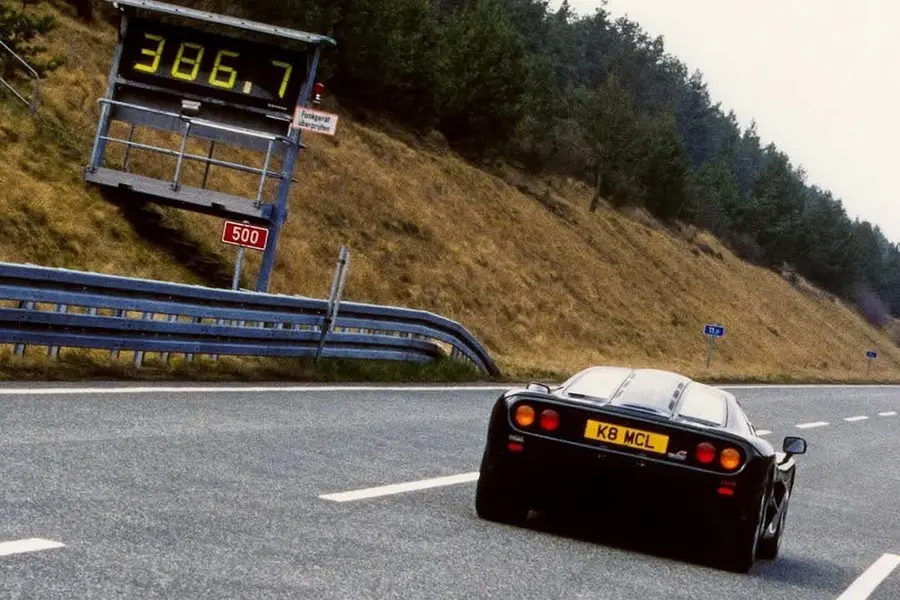
For the challenge, McLaren Cars turned to an old prototype that had been retired from promotional duties in its early years. Featured in many magazine articles, the prototype with XP5 chassis number was one of the few pre-production models still owned by the company. The Experimental Prototype 5 (XP5, license plate K8 MCL) was about to complete one last special test.
XP5 prototype was one of the best known and most publicized F1 cars
The driver
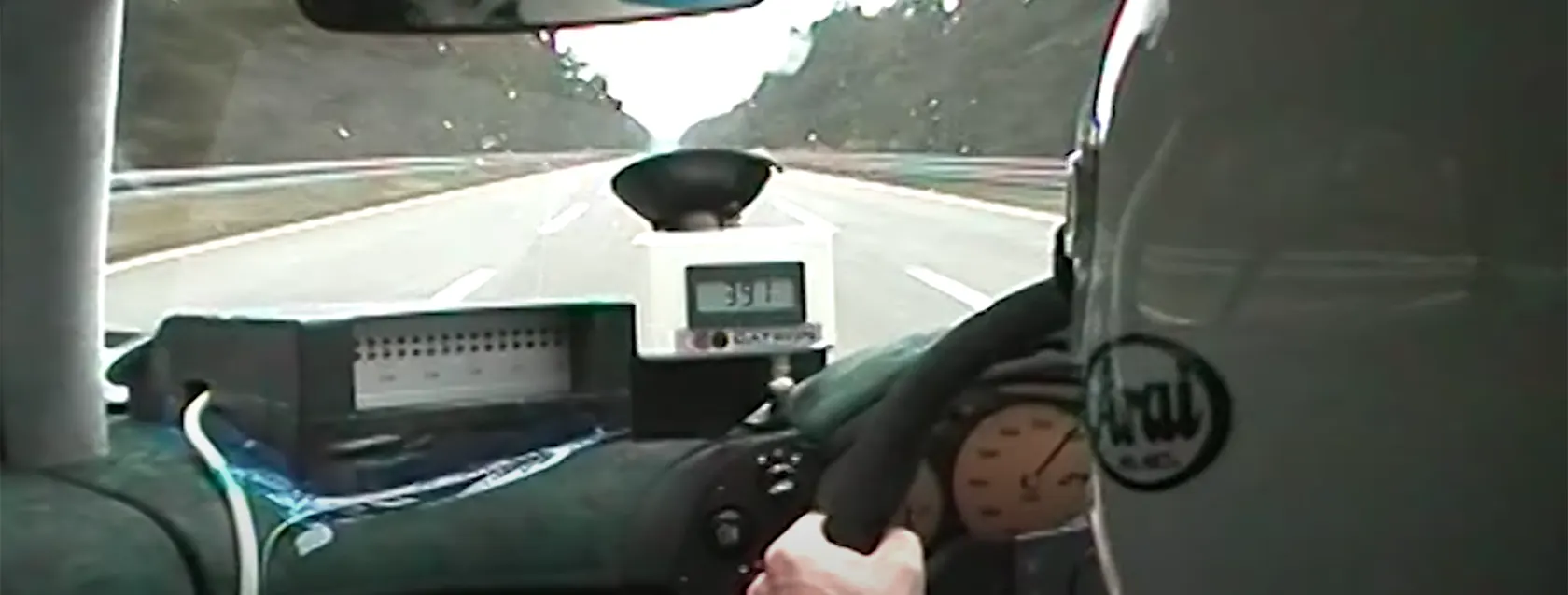
Briton Andy Wallace was chosen to test the limits of this incredible sports car. Wallace had close ties to McLaren, having been part of one of the teams that competed with the F1 in the 1995 Le Mans edition. In fact, Oxford-born Wallace already had an overall victory in the French classic under his belt at the wheel of a Jaguar XJR-9 LM.

Speeds above 350 km/h meant entering the unknown
The clothing he would wear on the test day (denim pants and shirt) suggested a certain degree of improvisation in the plan. Wallace himself would later acknowledge, after extensive experience as a test driver, that high-speed testing with conventional tires was a challenge that involved a certain amount of risk.
The location
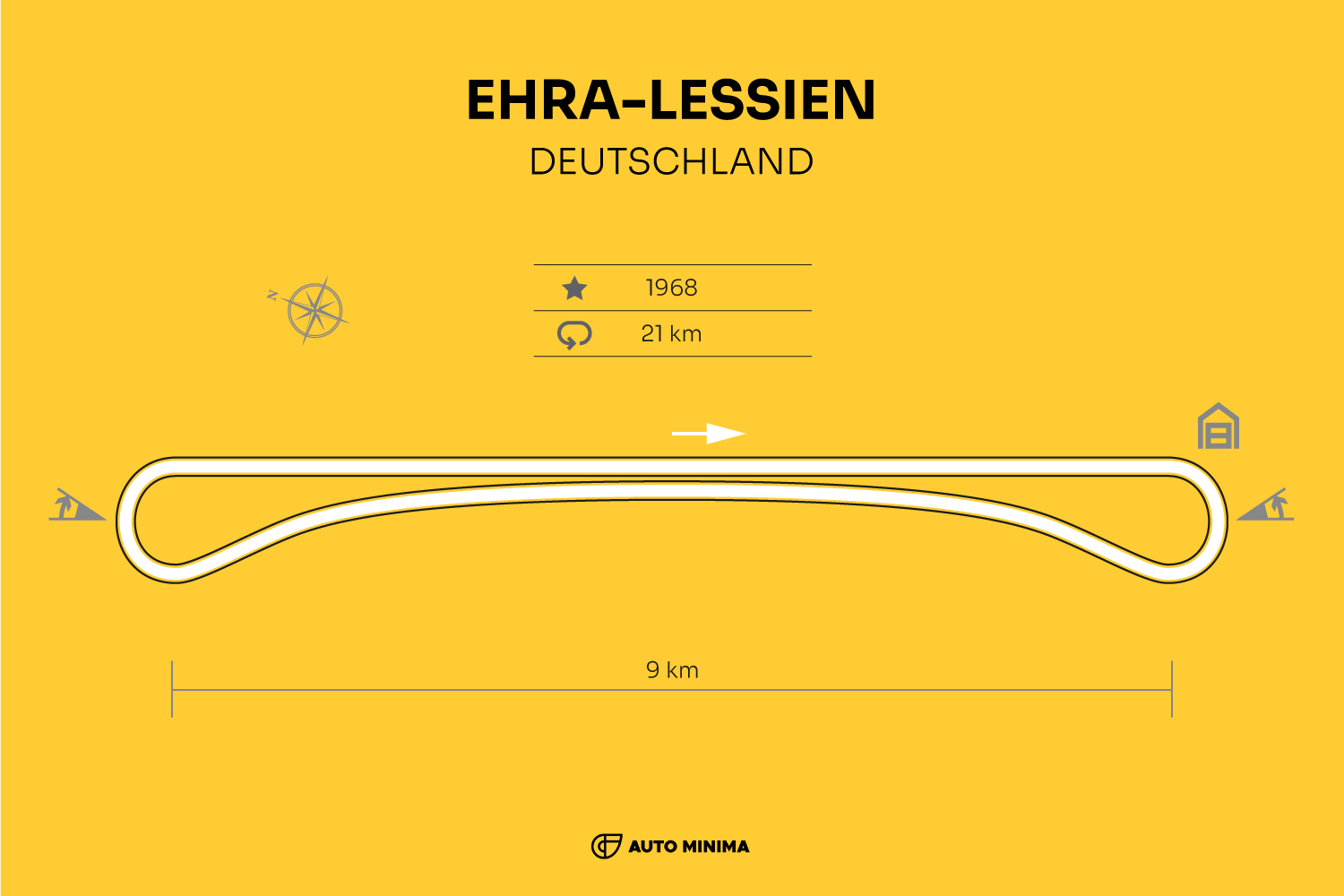
The Volkswagen Group’s facilities in Ehra-Lessien, about 20 km north of its headquarters in Wolfsburg, were chosen for the test. In addition to areas for testing fuel consumption, performance, etc., this complex has a high-speed track with two banked curves on both sides. It is considered one of the few places where certain cars can unleash their full power.
The long-awaited moment
With all the team installed at the German track, March 31 of 1998 was the date chosen for the test runs. As a “production” car, the F1 could already be considered the fastest car of its time with a theoretical top speed of 356 km/h, but the car could do even more. To unlock its full potential, the engine speed limiter (which was set at 7,500 rpm and yielded an actual speed of approximately 370 km/h in testing) was disconnected. In this first attempt, Wallace reached a speed of nearly 388 km/h.
“More revs!” These were the driver’s words upon reaching the team’s location, and after making the necessary adjustments to the limiter, Wallace accelerated toward the record. In this second run, the McLaren hit 391 km/h for a moment, and the car’s limit was considered to have been reached.
After completing another lap in the opposite direction to eliminate any possible wind help, the average top speed was set at 386.4 km/h.
Despite McLaren’s achievement on german soil, today it is not considered an official record because it did disconnect the standar rev limiter (and therefore did not meet the requirement of being a “production vehicle”). Furthermore, a few months later and on the same track, the controversial Dauer 962 LM narrowly broke the magical 400 km/h barrier.