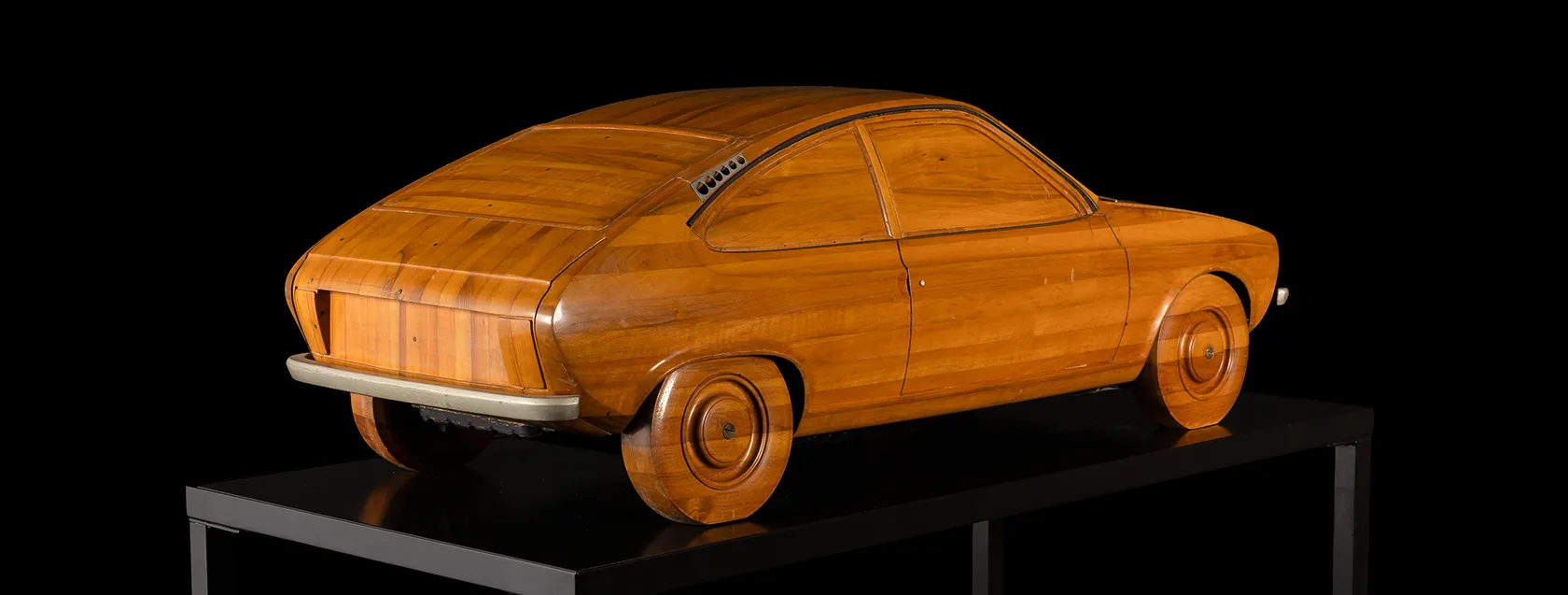
There are few occasions when works scale model cars are put up for auction, especially those that were part of the design process for different models before they grew to their final 1:1 scale.
These precious vehicles, invaluable to model car enthusiasts, were part of a group of items that the Artcurial auction house curated on behalf of Renault at its former premises in Flins-sur-Seine, on the outskirts of Paris. In addition to the model cars, the lots included prototypes, production vehicles and single-seaters of great historical value.
Wind tunnel study model cars
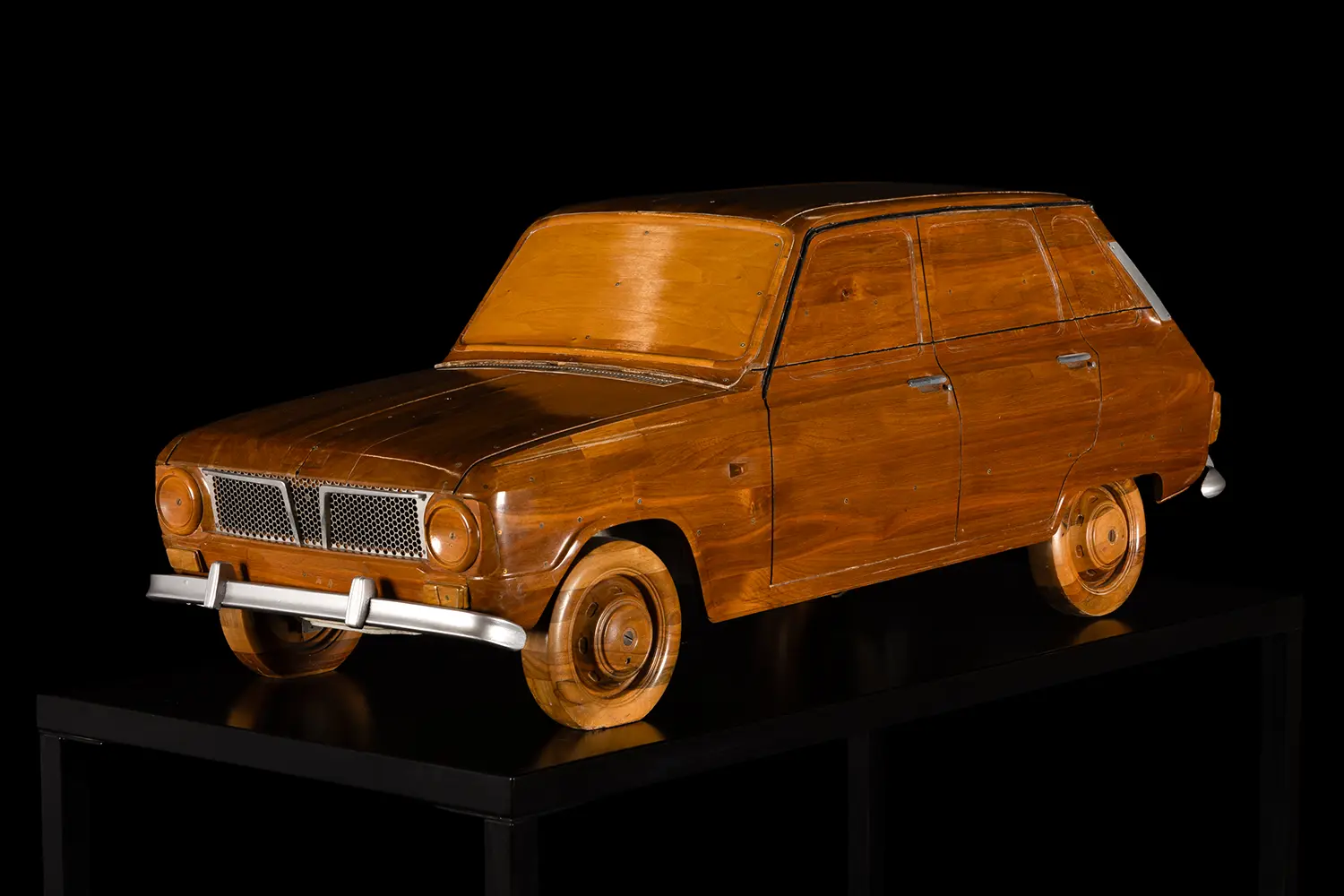
Several 1/3.5 scale models dedicated to aerodynamic studies were offered at the event. These models represent an early attempt to understand the behaviour of air around a moving car body.
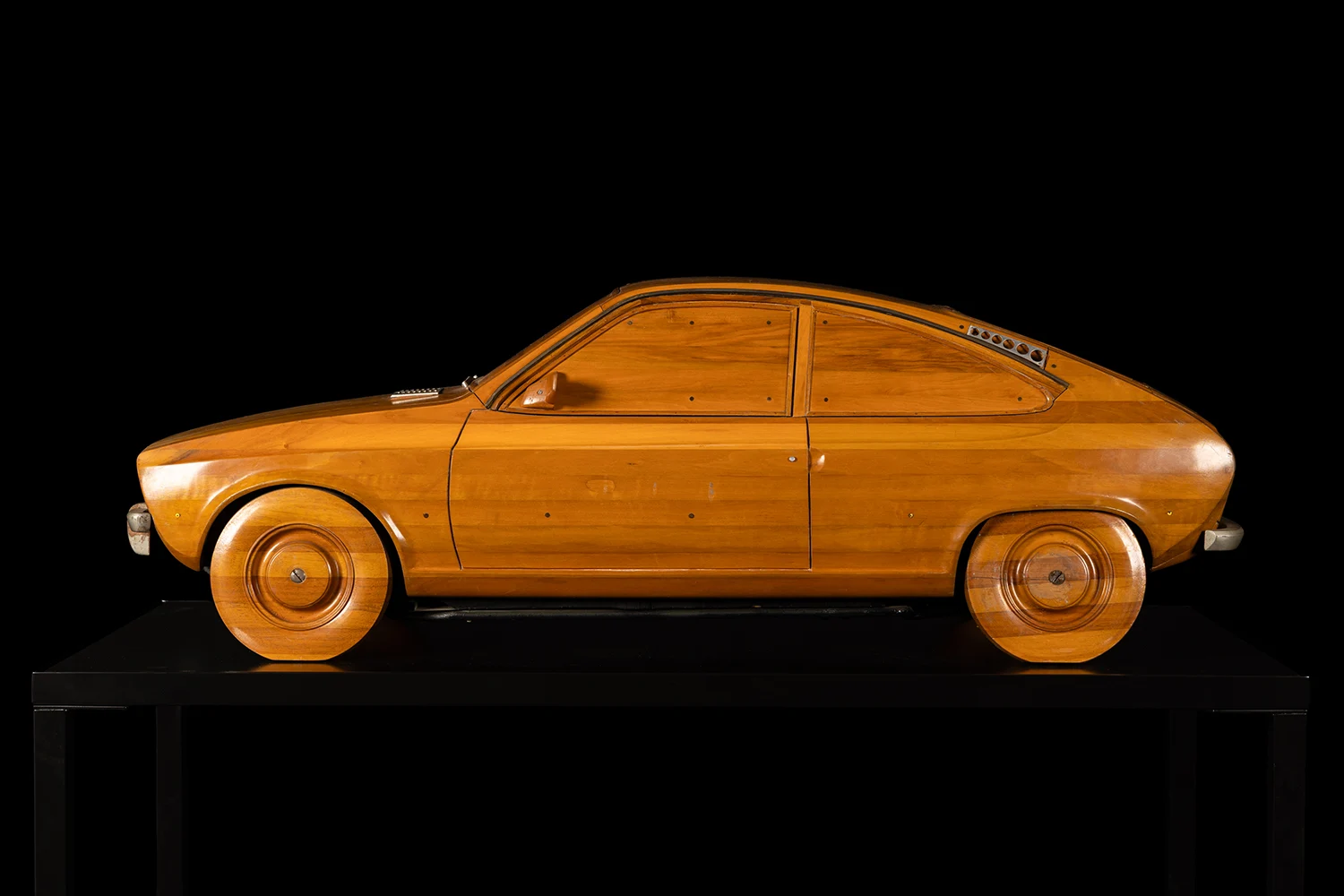
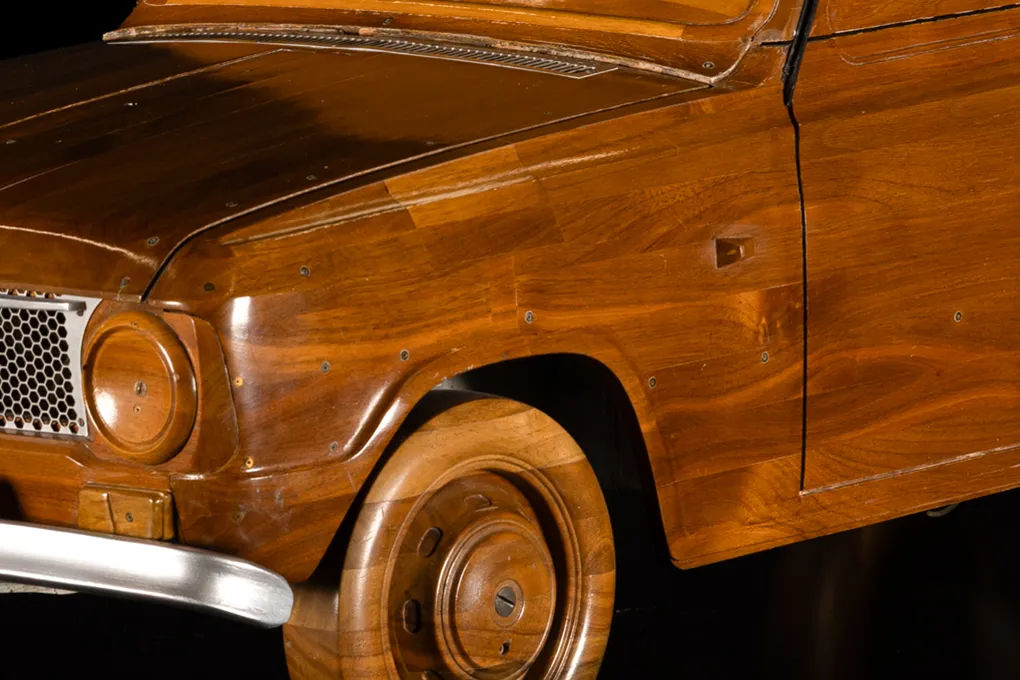
The craftsmanship of these models is exquisite. They all date from late 1960s, when wood was the material of choice for manufacturing these pieces (as it had been in similar studies on military and commercial aircraft development).
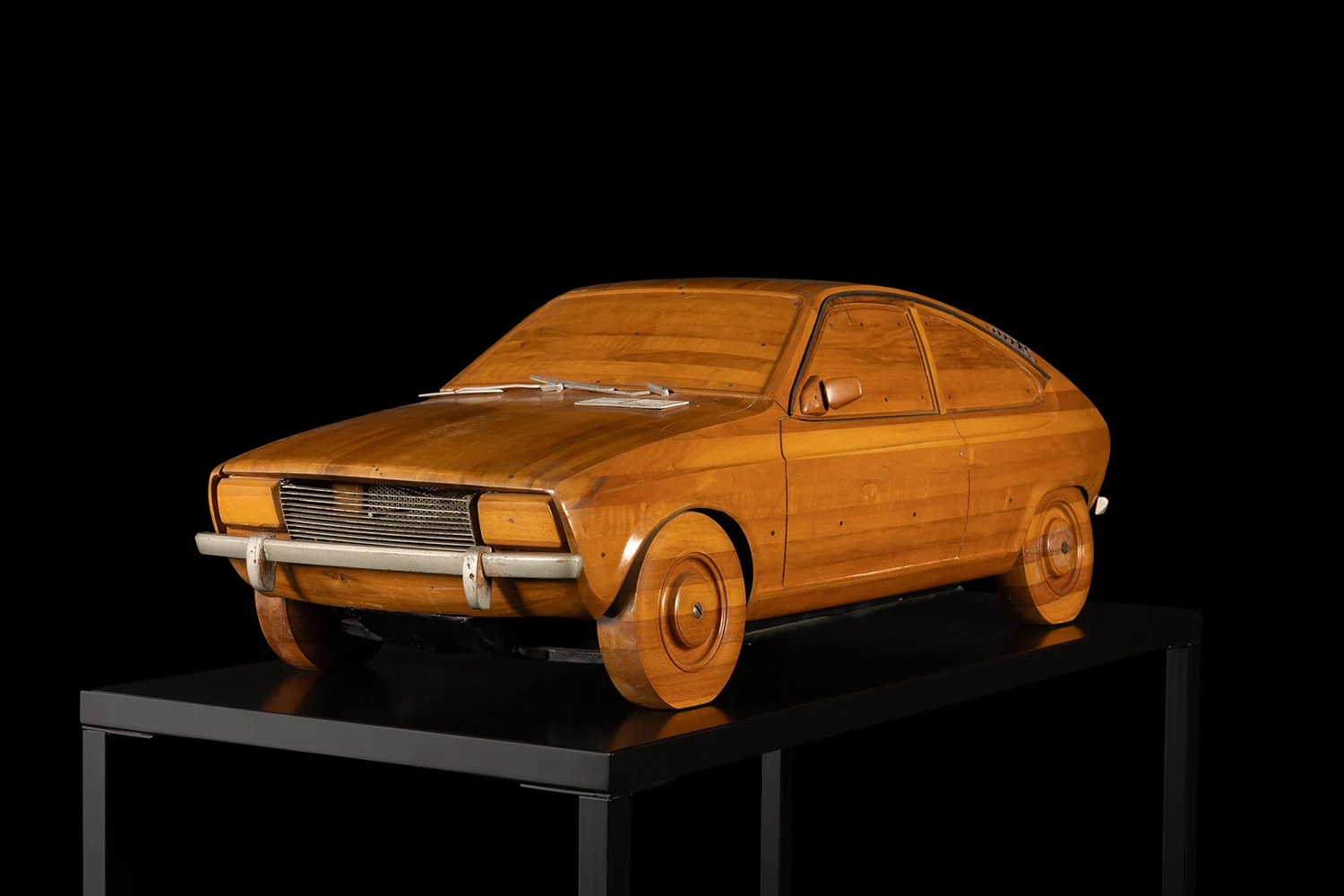
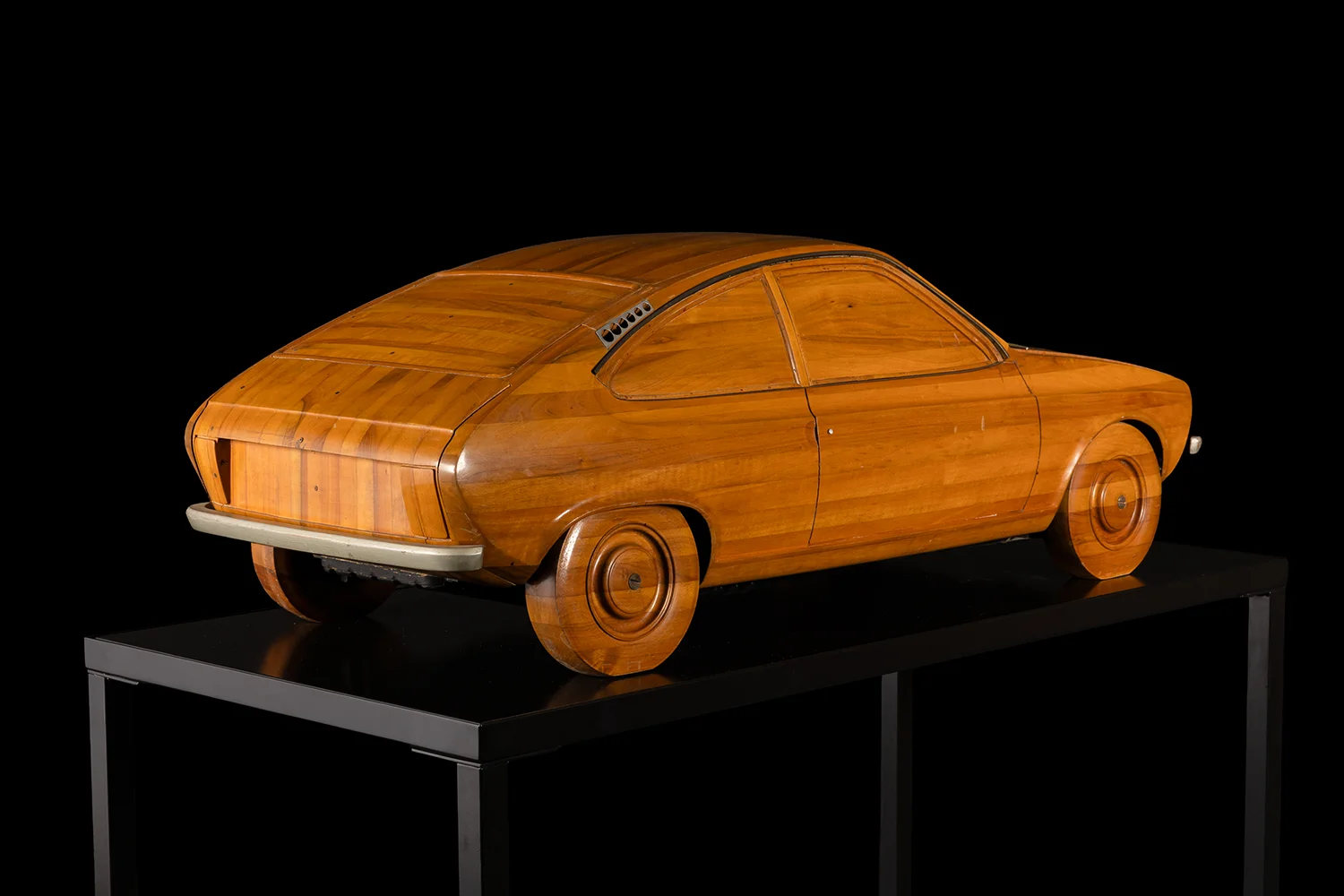
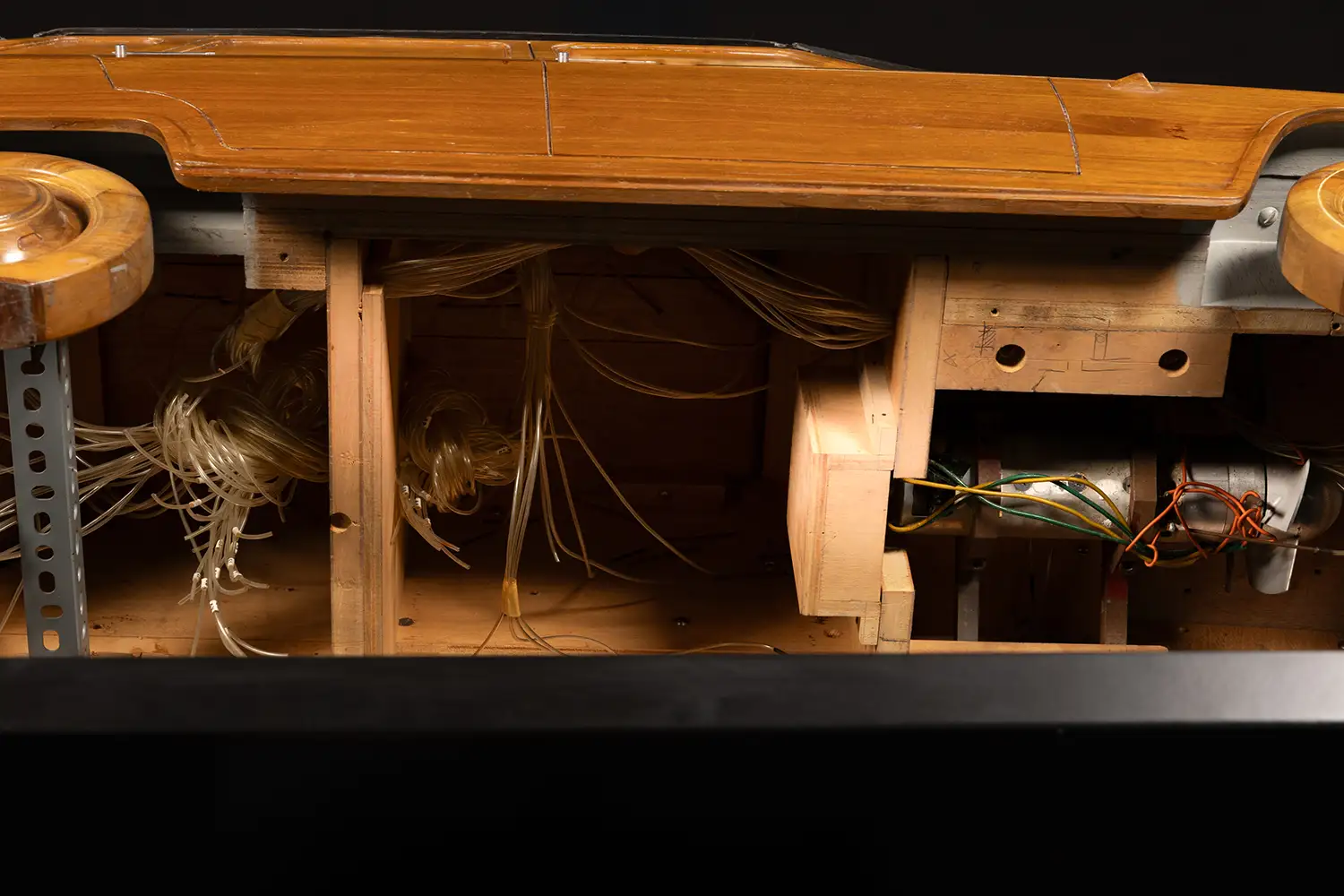
Internally, the model had a large number of small flexible tubes connected to brass nozzles distributed throughout the bodywork. Once the tunnel was operational, smoke was blown through these tubes to visualise how it behaved when it exited into the bodywork through the nozzles.
Unknown proposals
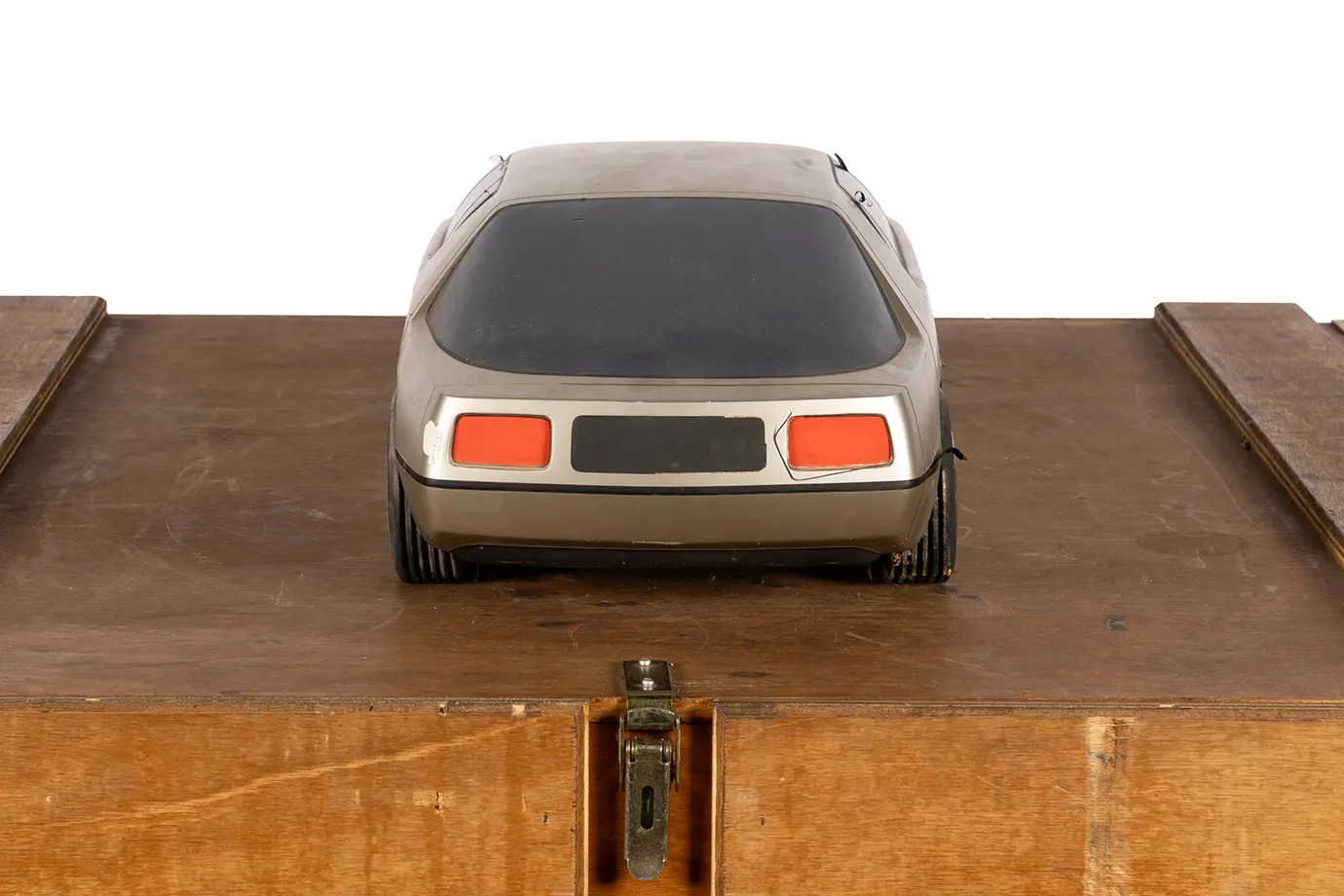
The exhibition also unveiled previously unknown models and body variants. Two interesting coupés, contemporaries of the 1971 Alpine-Renault A310, are particularly noteworthy. Perhaps they have a closer connection than just a purely chronological one.
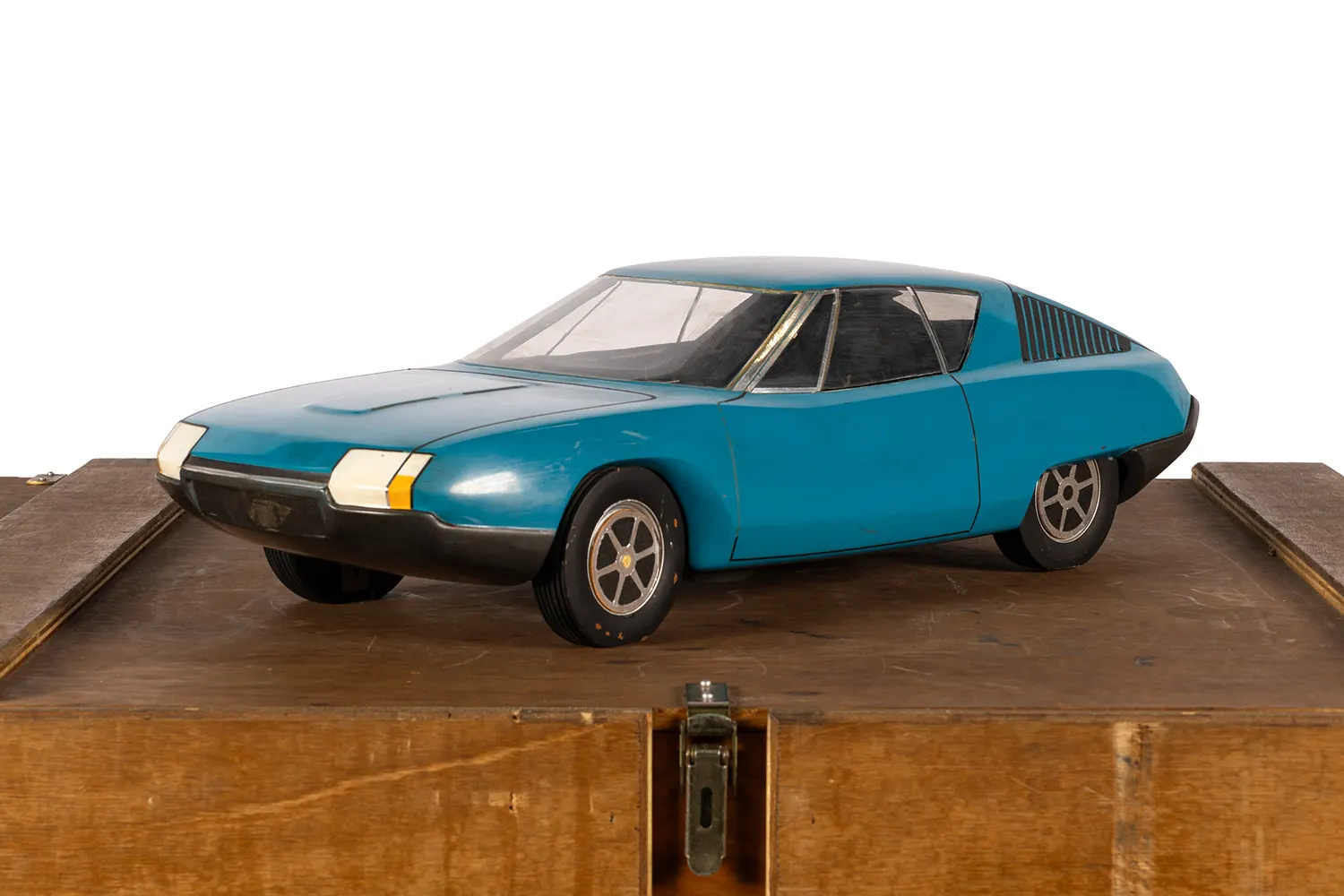
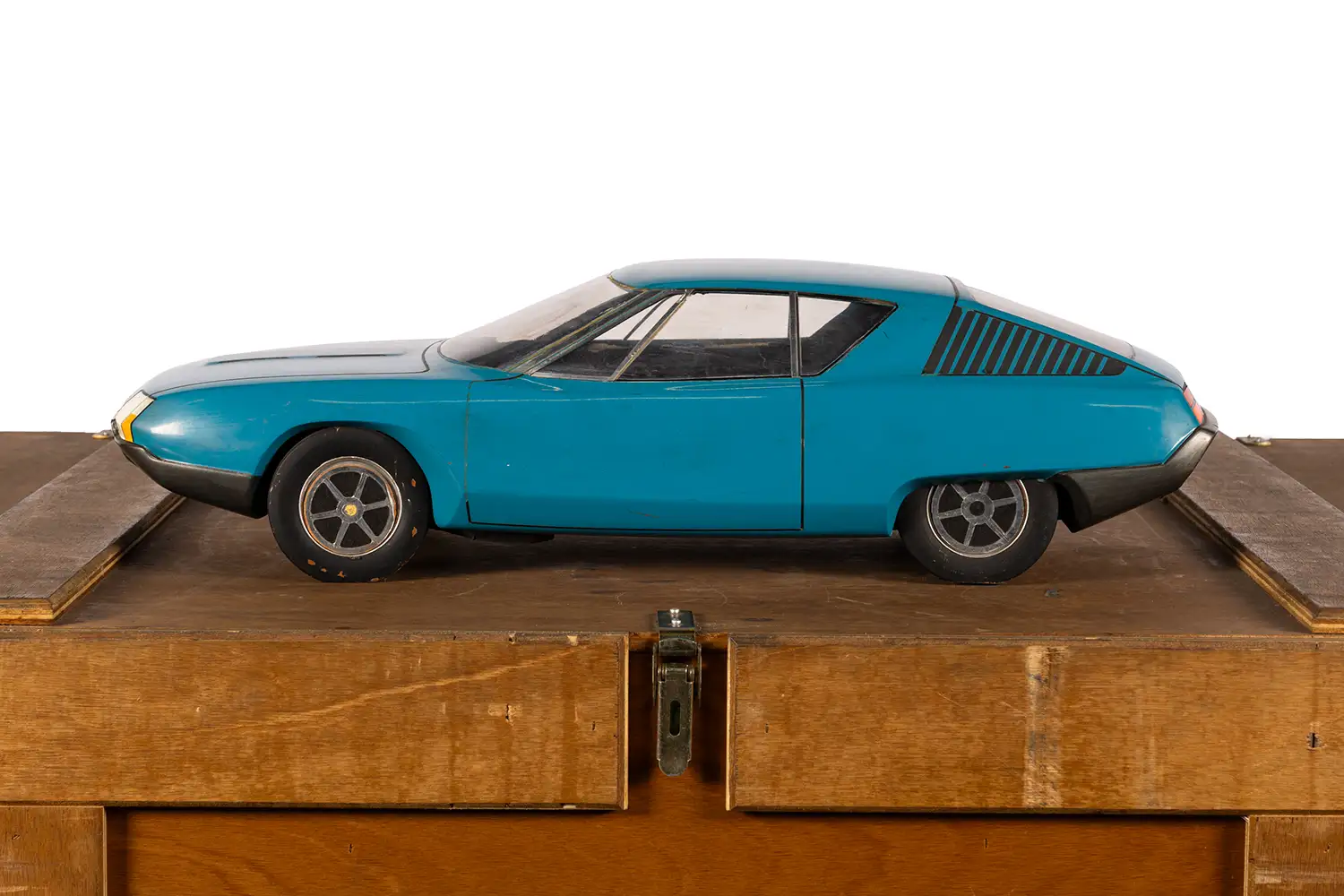
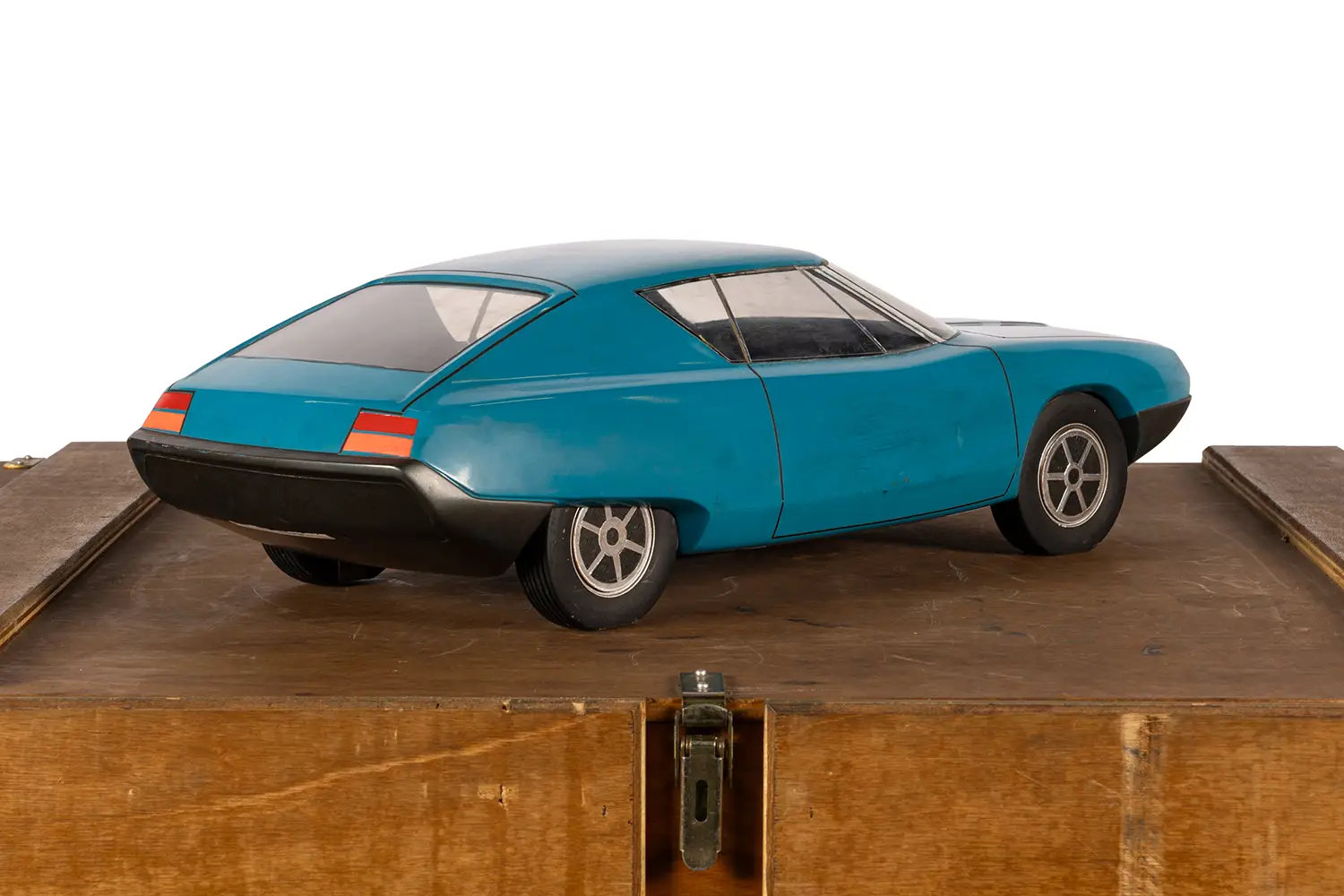
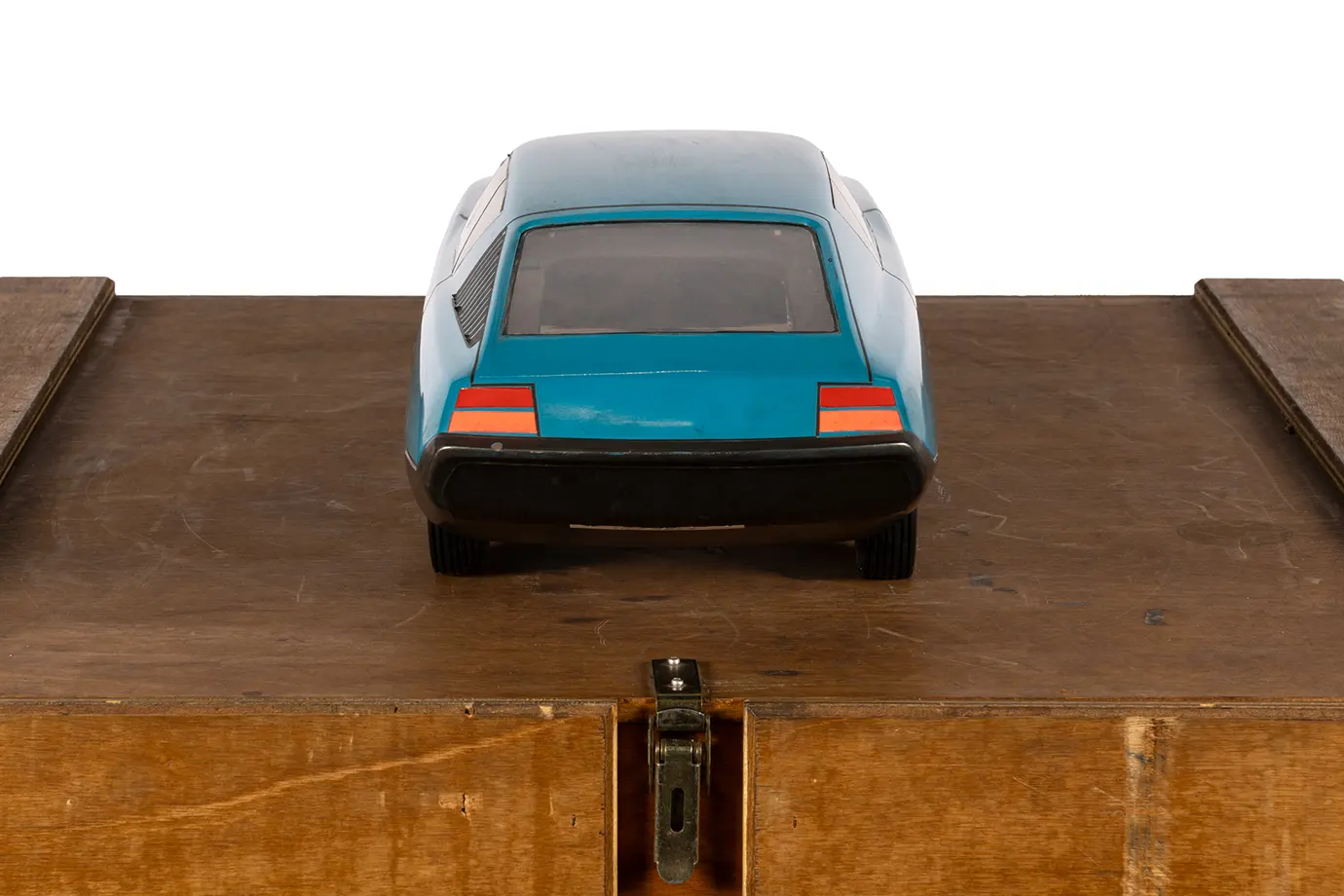
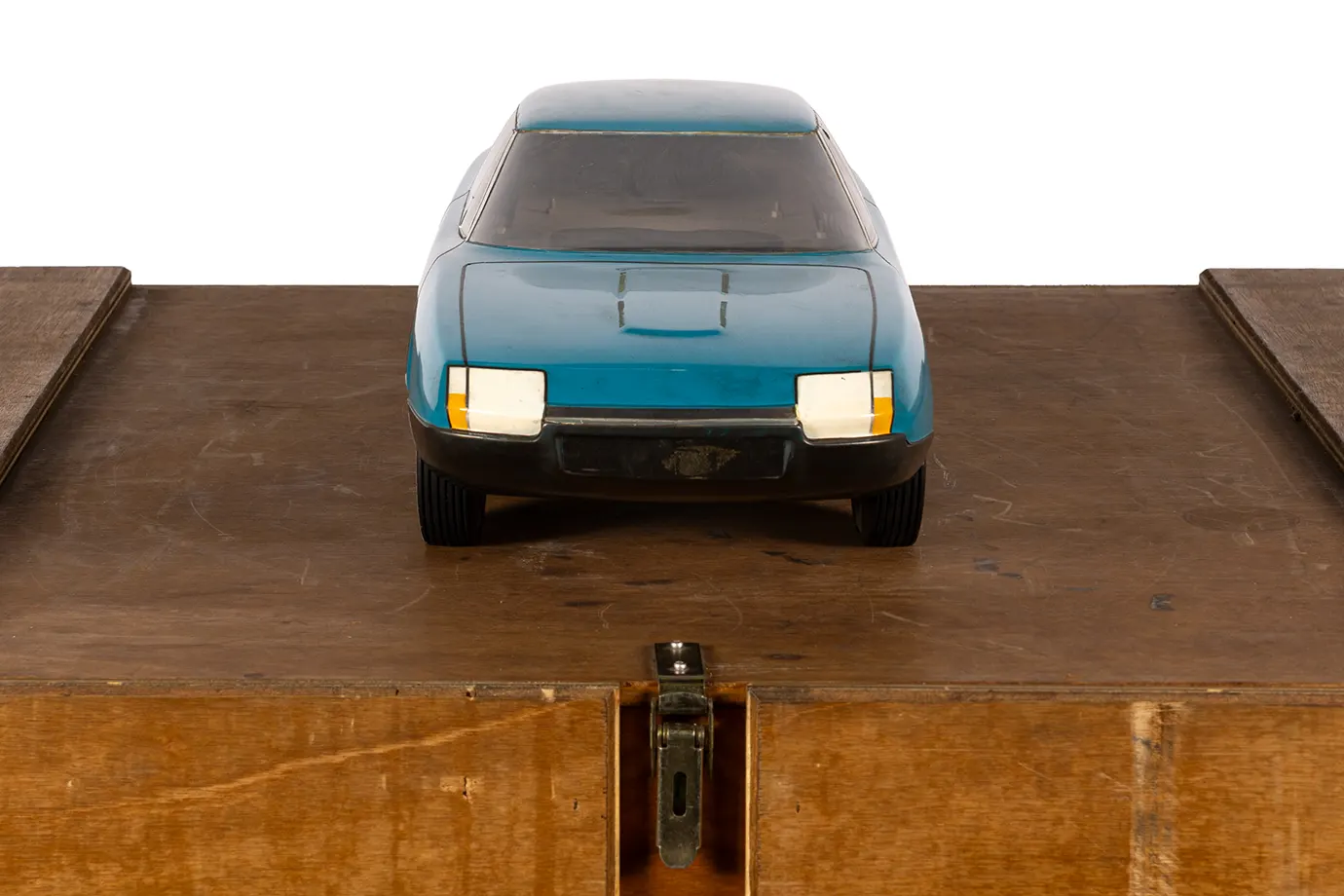
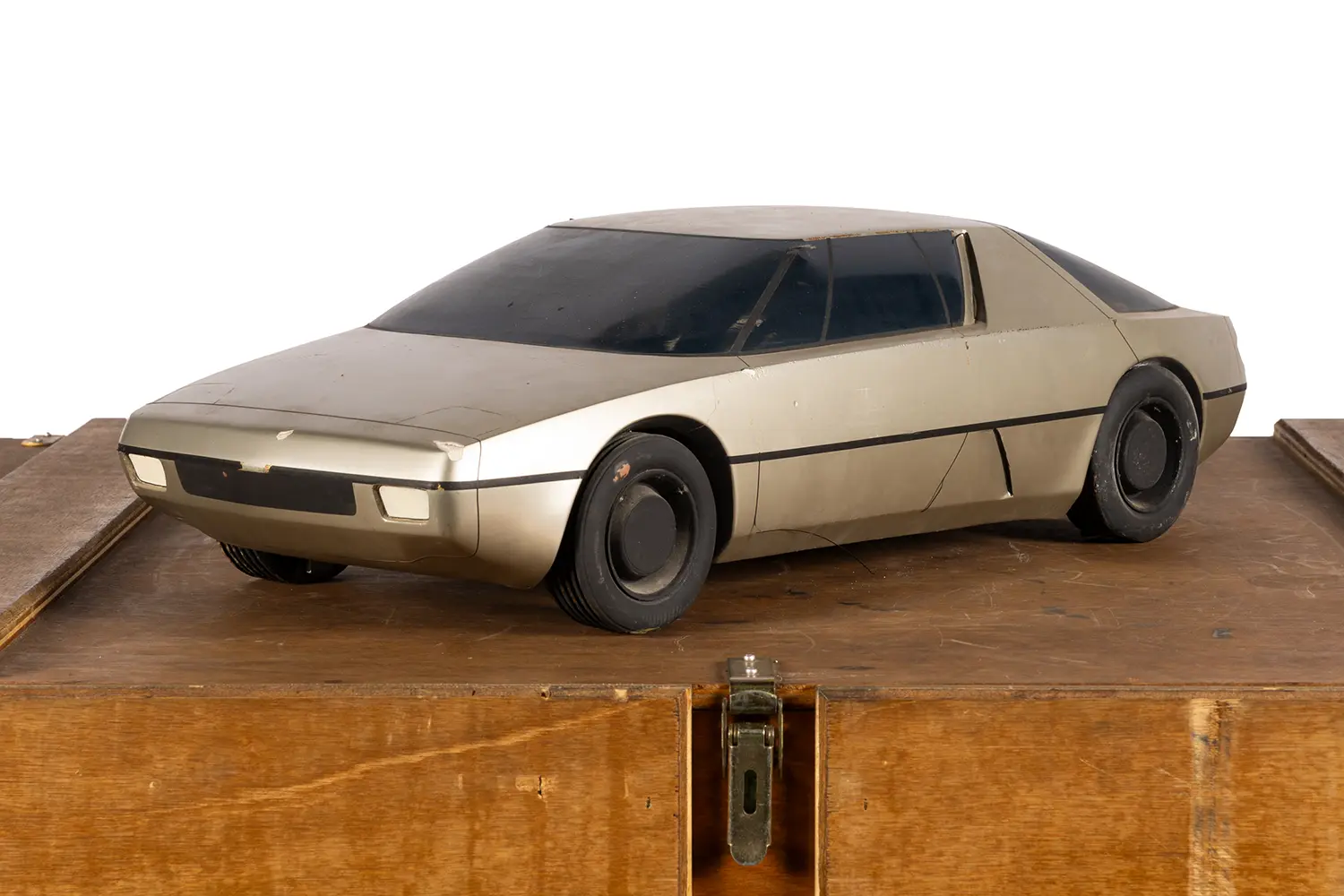
In this model, dated from 1973 approximately, a clear evolution in design can be seen. We can also sense a rear engine layout and fibreglass bodywork (based on the black line that would conceal an intermediate mould line). The air intakes in the rear pillar are both typically Alpine, and the curved rear window was relatively new at the time.
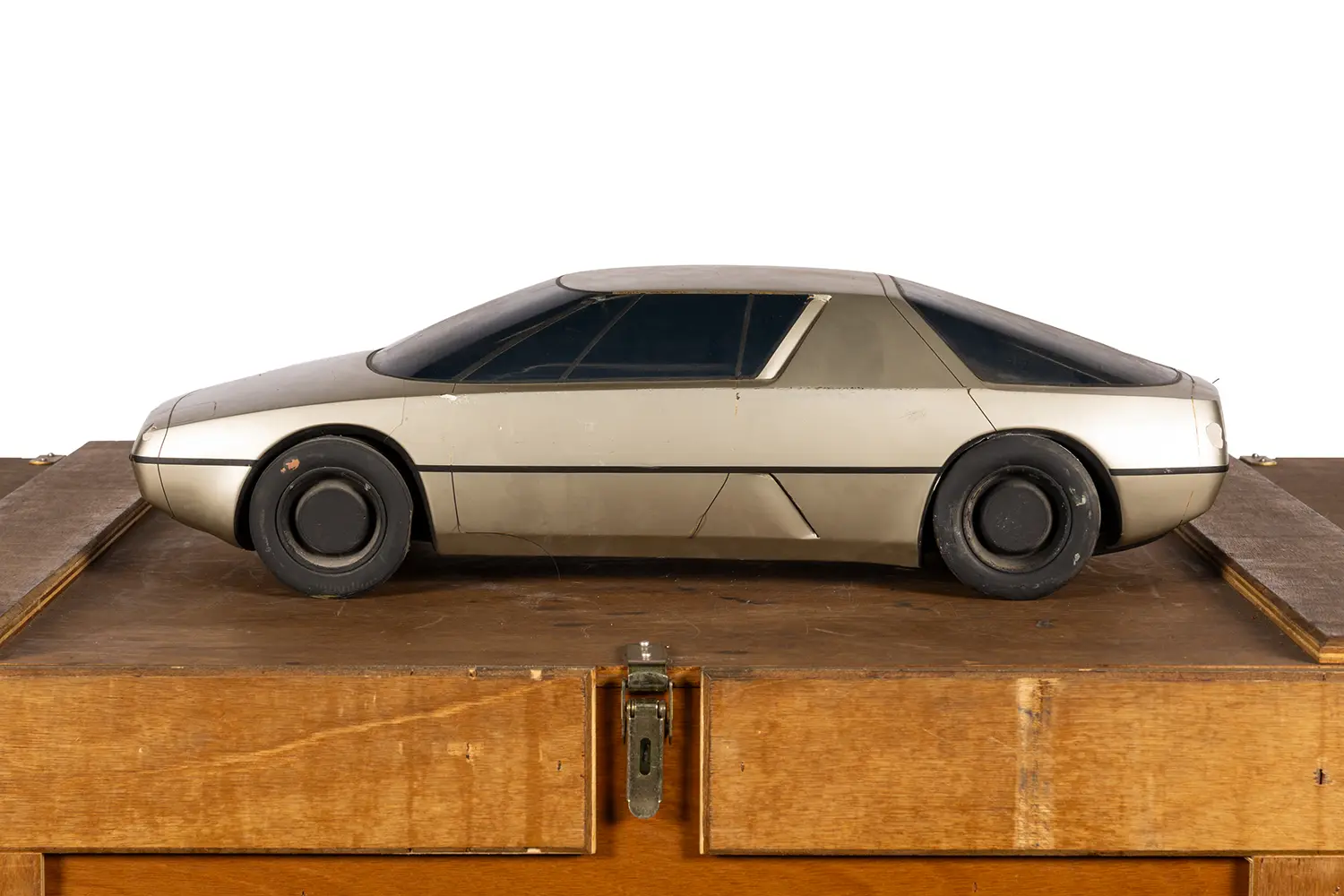
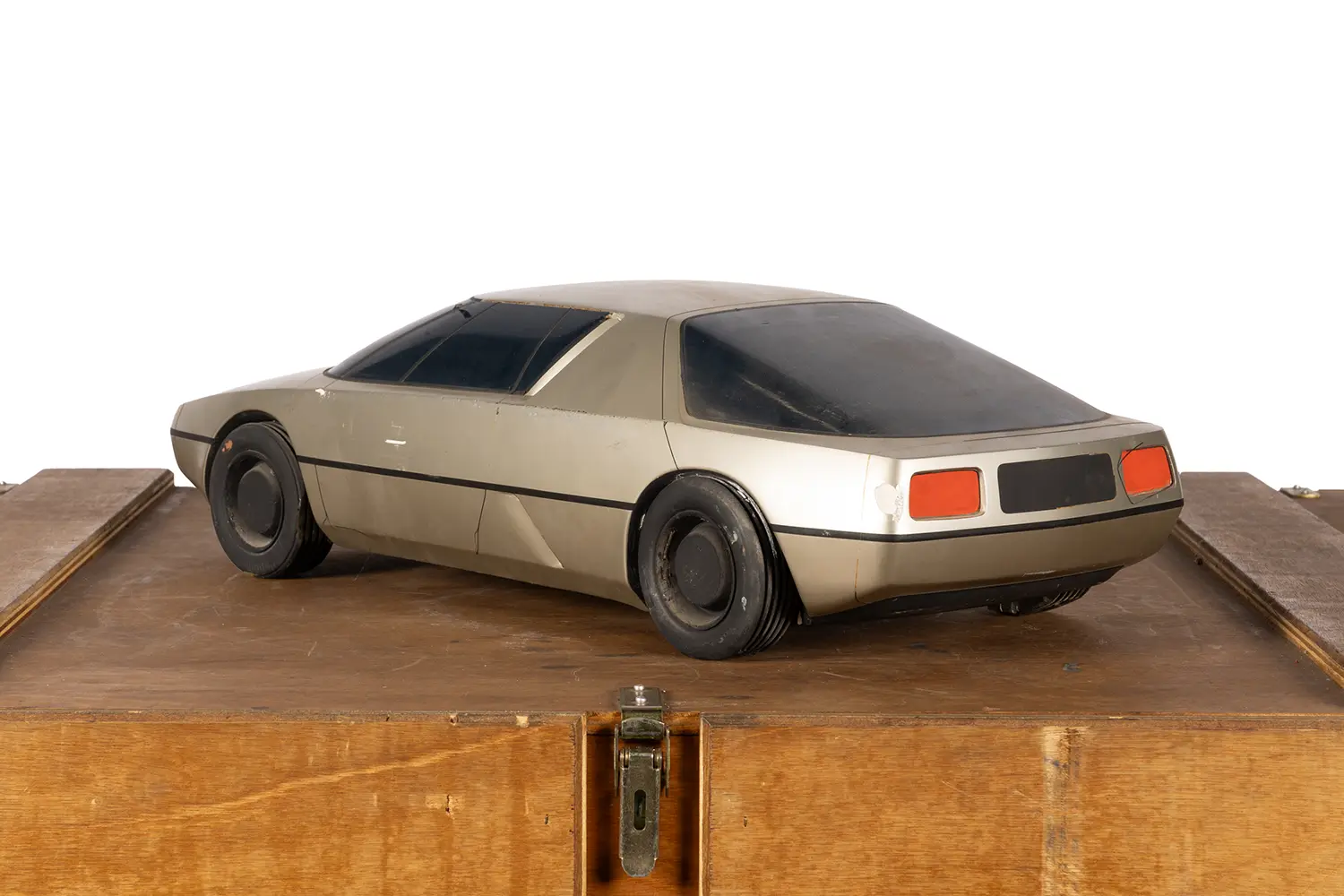
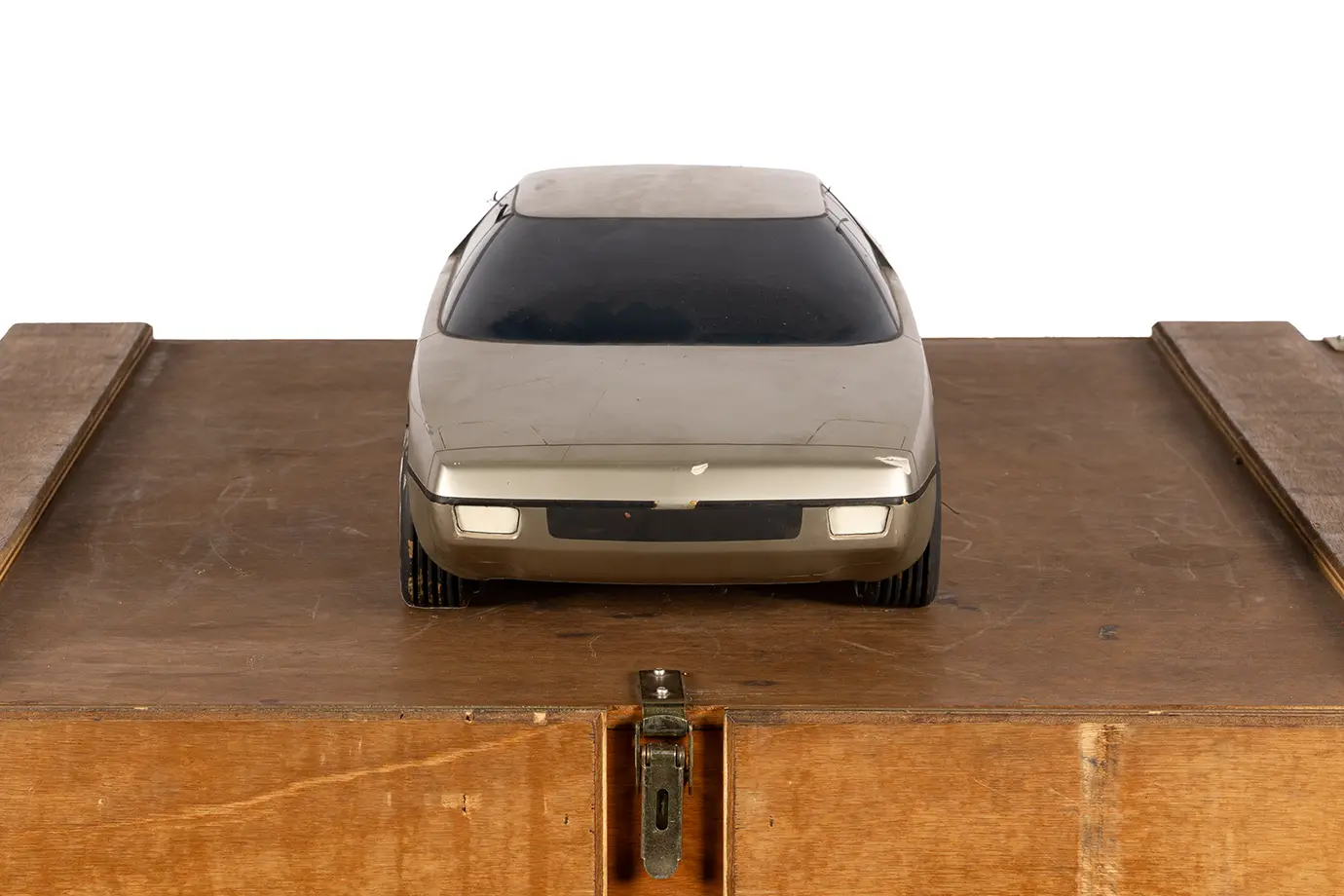
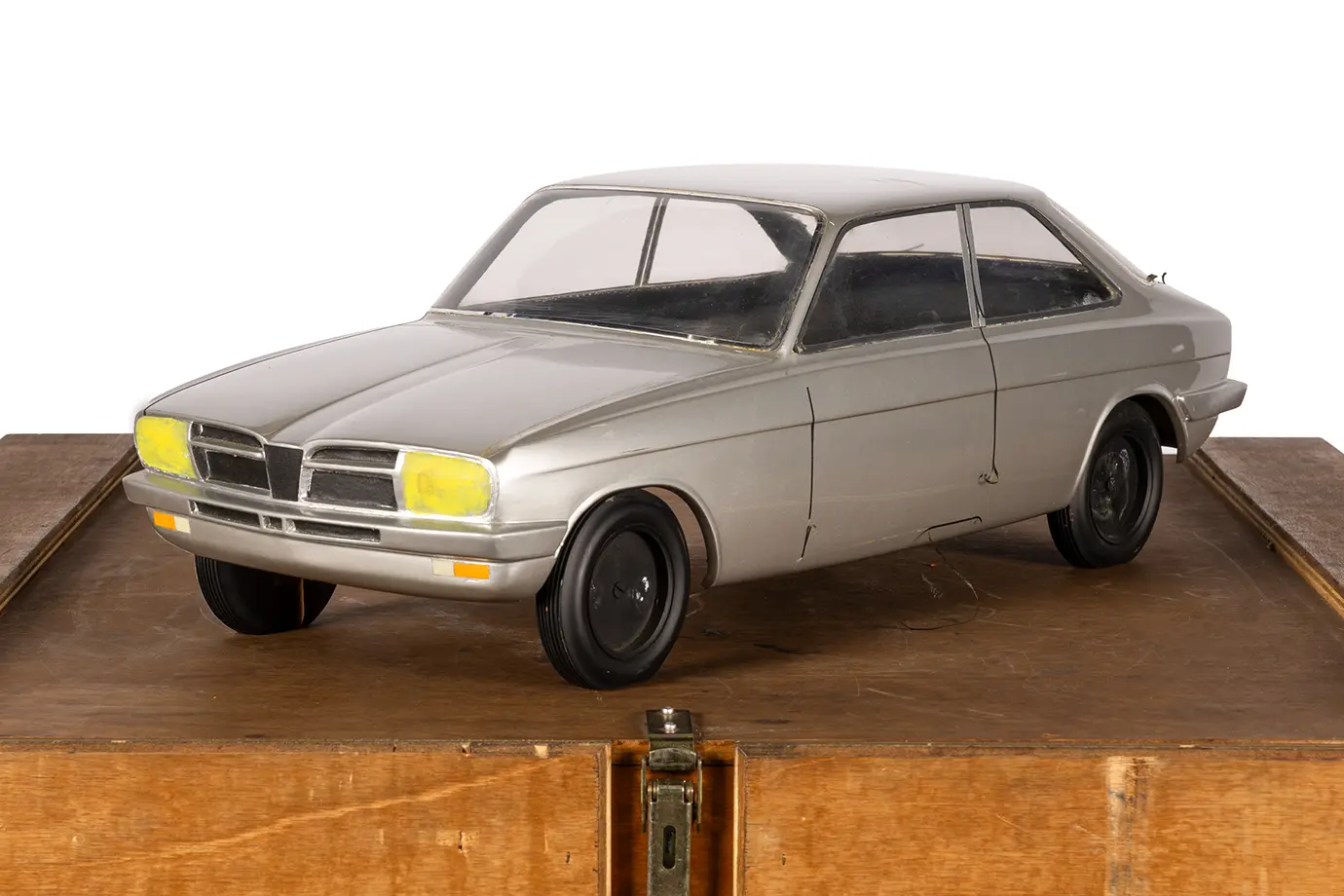
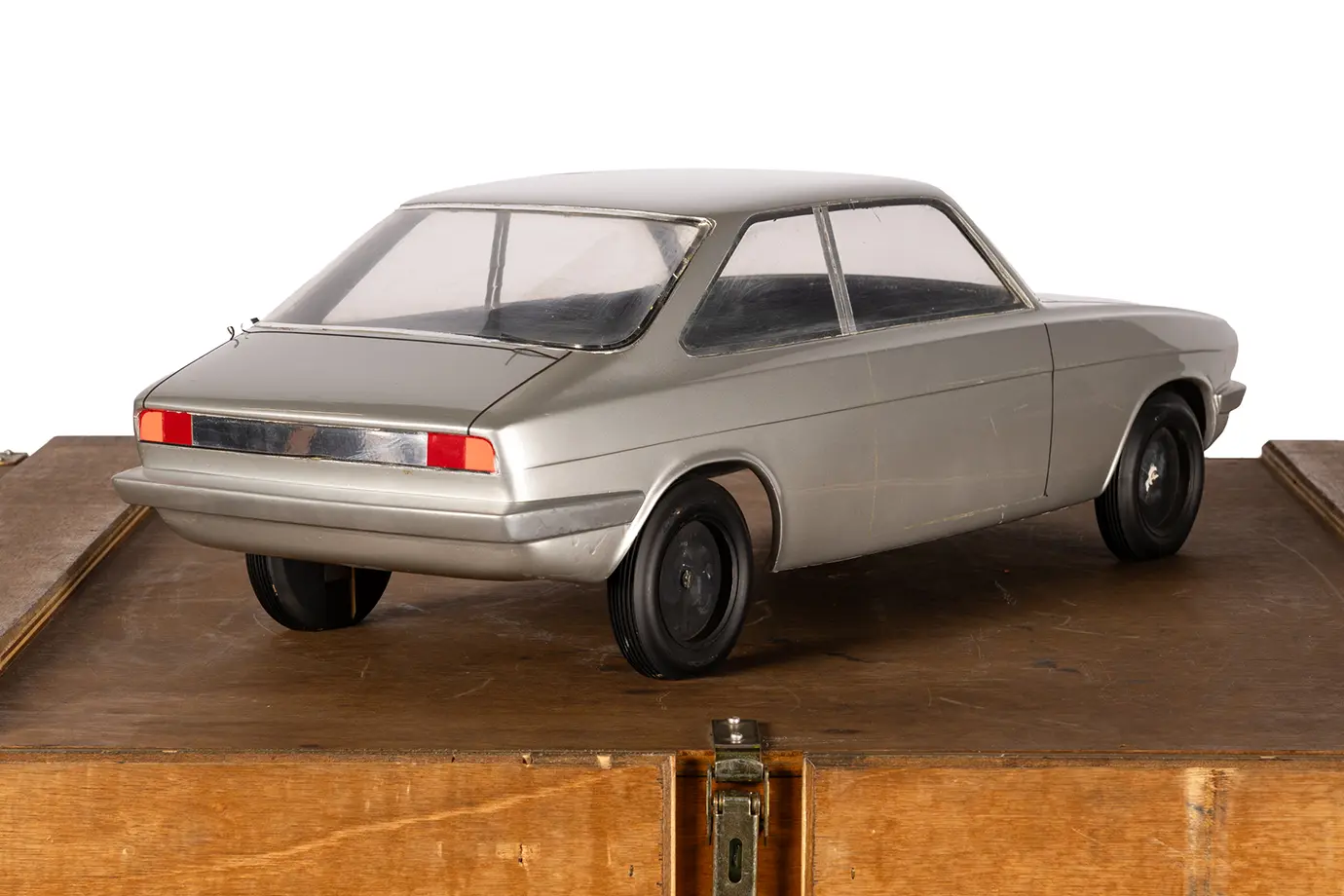
From the variants studied for the Renault 16 range, The Renault Icons featured a two-door coupé proposal. The 16 was a crucial model for Renault because in 1965 it launched a generation of five-door C-segment vehicles that was later followed by most mainstream manufacturers. During its production period, several additional body types were tested, with the convertible being one of the few that was manufactured as a prototype. Later, a hardtop was added, achieving a silhouette very similar to that of the model shown here.
First studies from Renault Design
The Renault Icons presented several 1/5 scale model cars from Patrick Le Quément’s early years at the helm of Renault’s new design language.
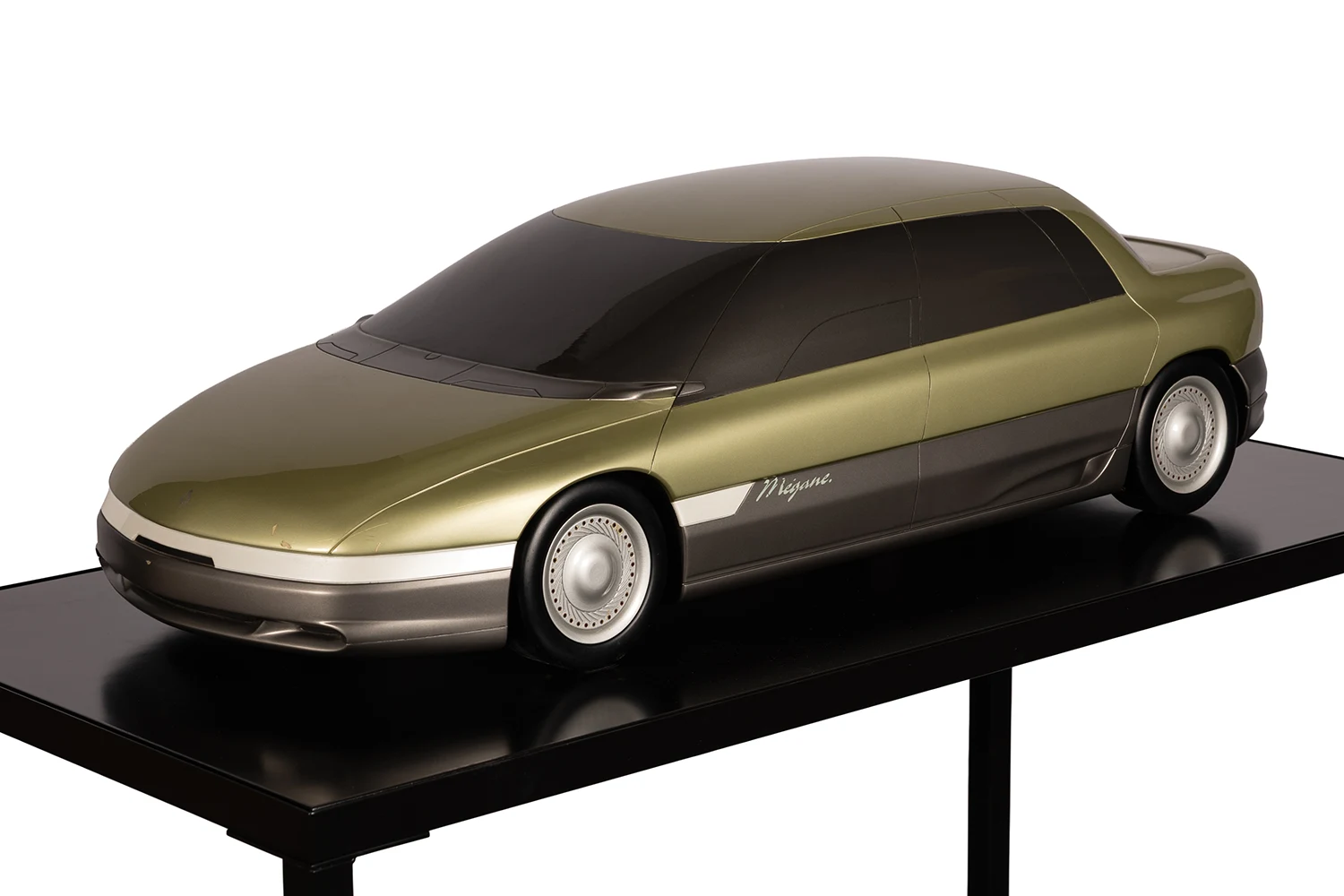
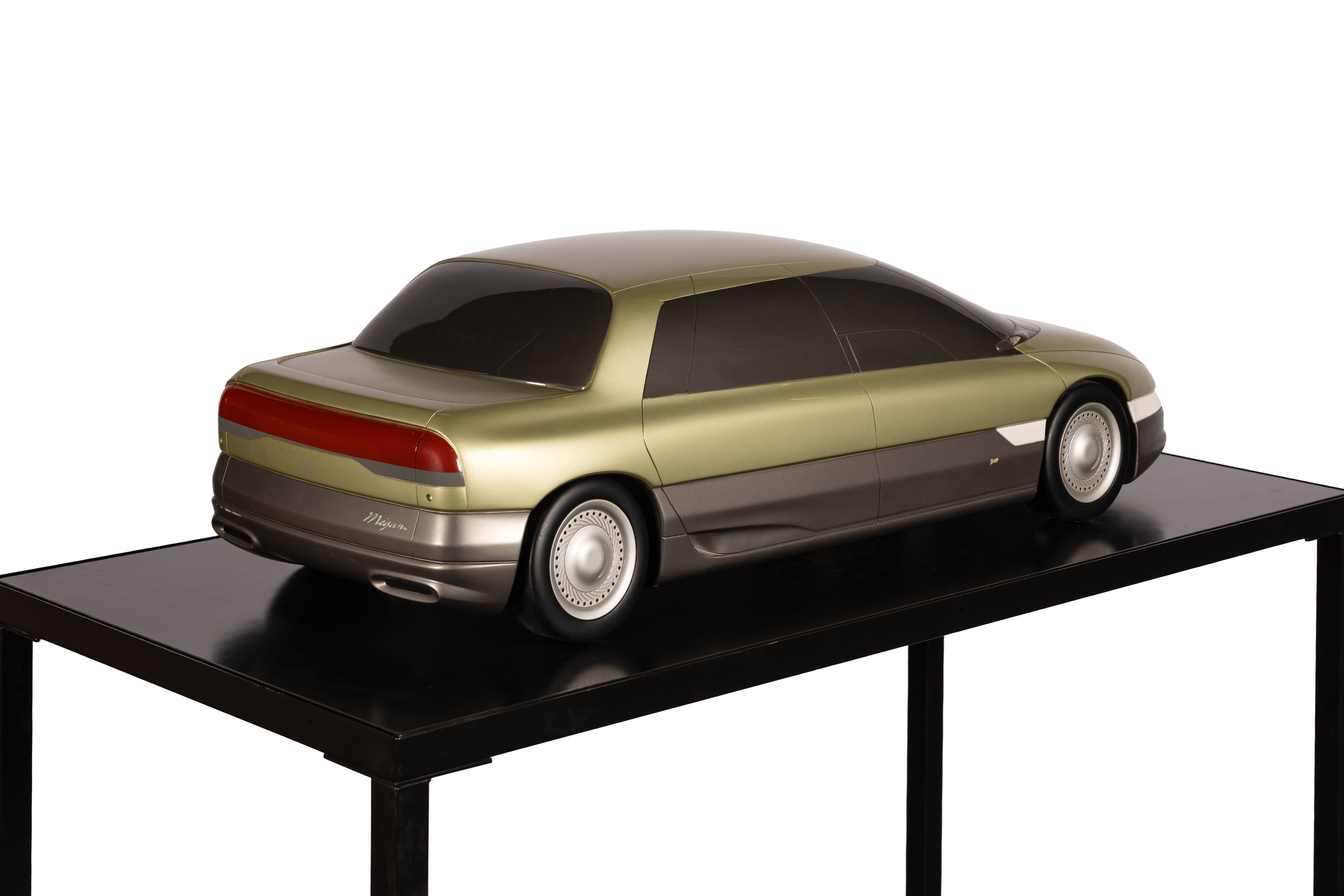
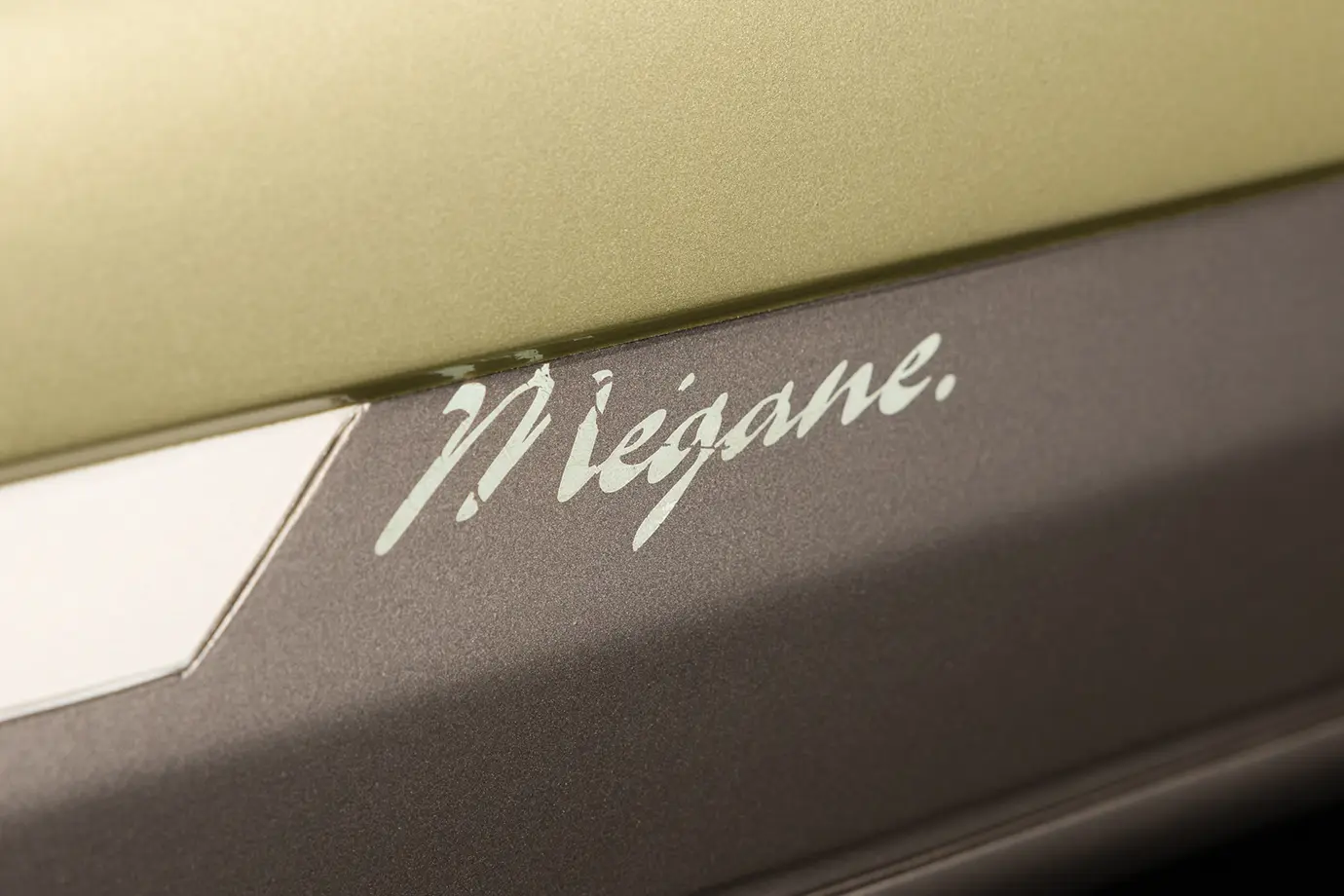
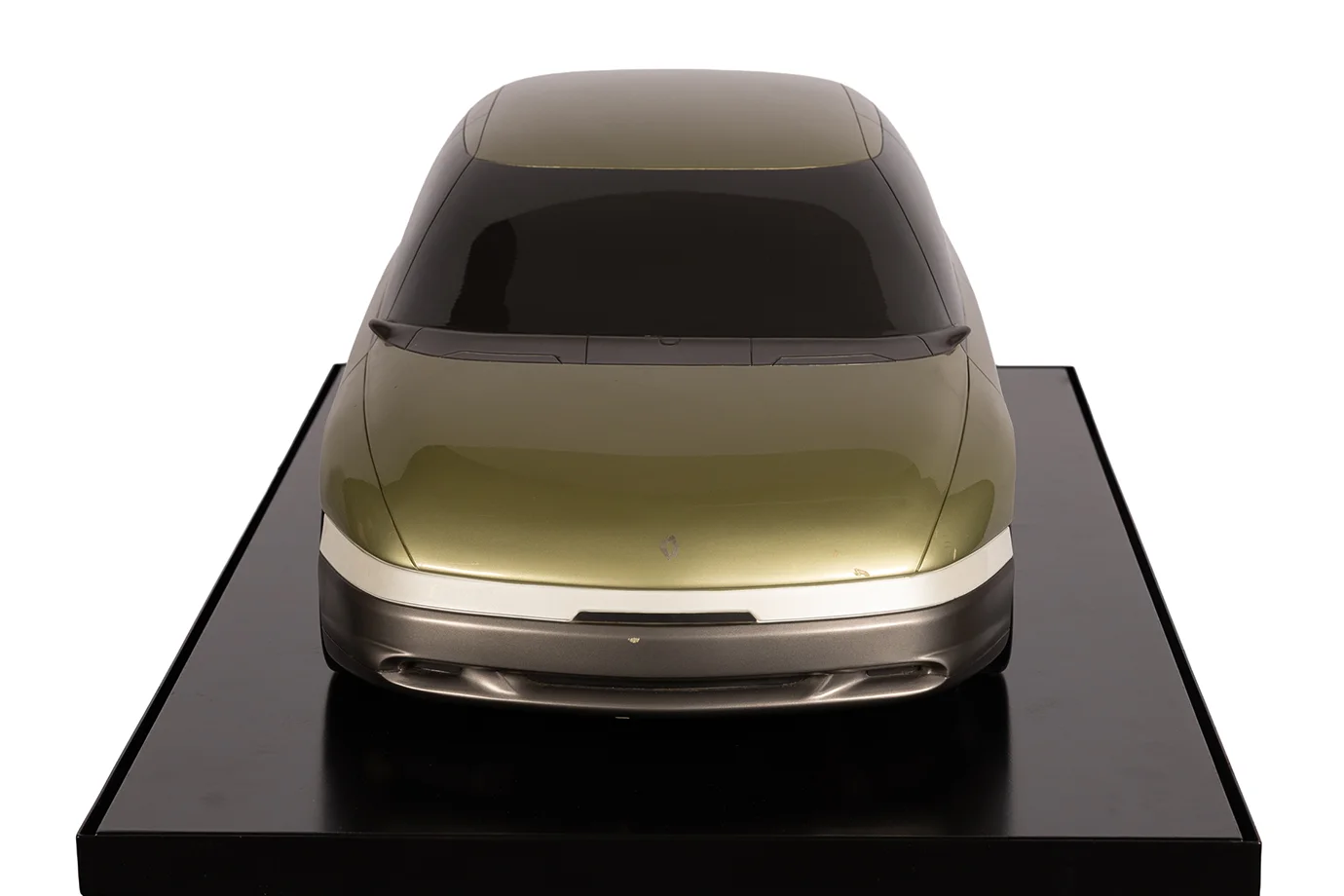
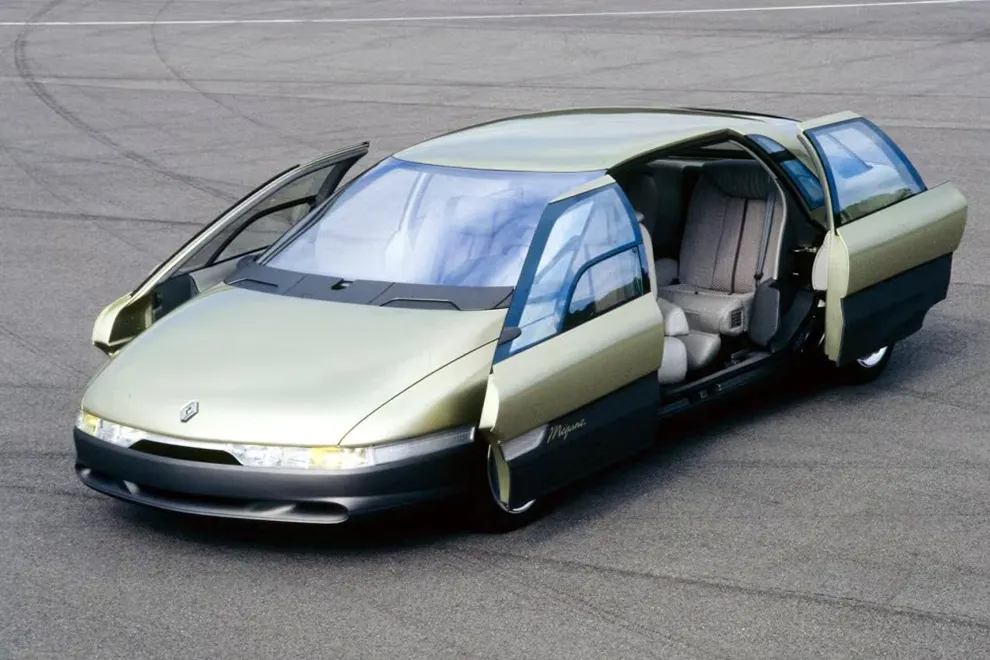
One of the first concept cars worth mentioning is the Renault Megane, a luxury saloon car launched in 1988 that was the first to use this nomenclature. Its bodywork was highly optimised, with a drag coefficient of just 0.21. In addition to its fluid design, this figure was achieved thanks to flush doors and the use of cameras (instead of conventional rear-view mirrors). On the other hand, the interior had four seats (the front ones being swivel seats, taking advantage of the B-pillar absence). Positioned in the F segment, this saloon was a totally new proposition for Renault and never made it past the prototype stage.
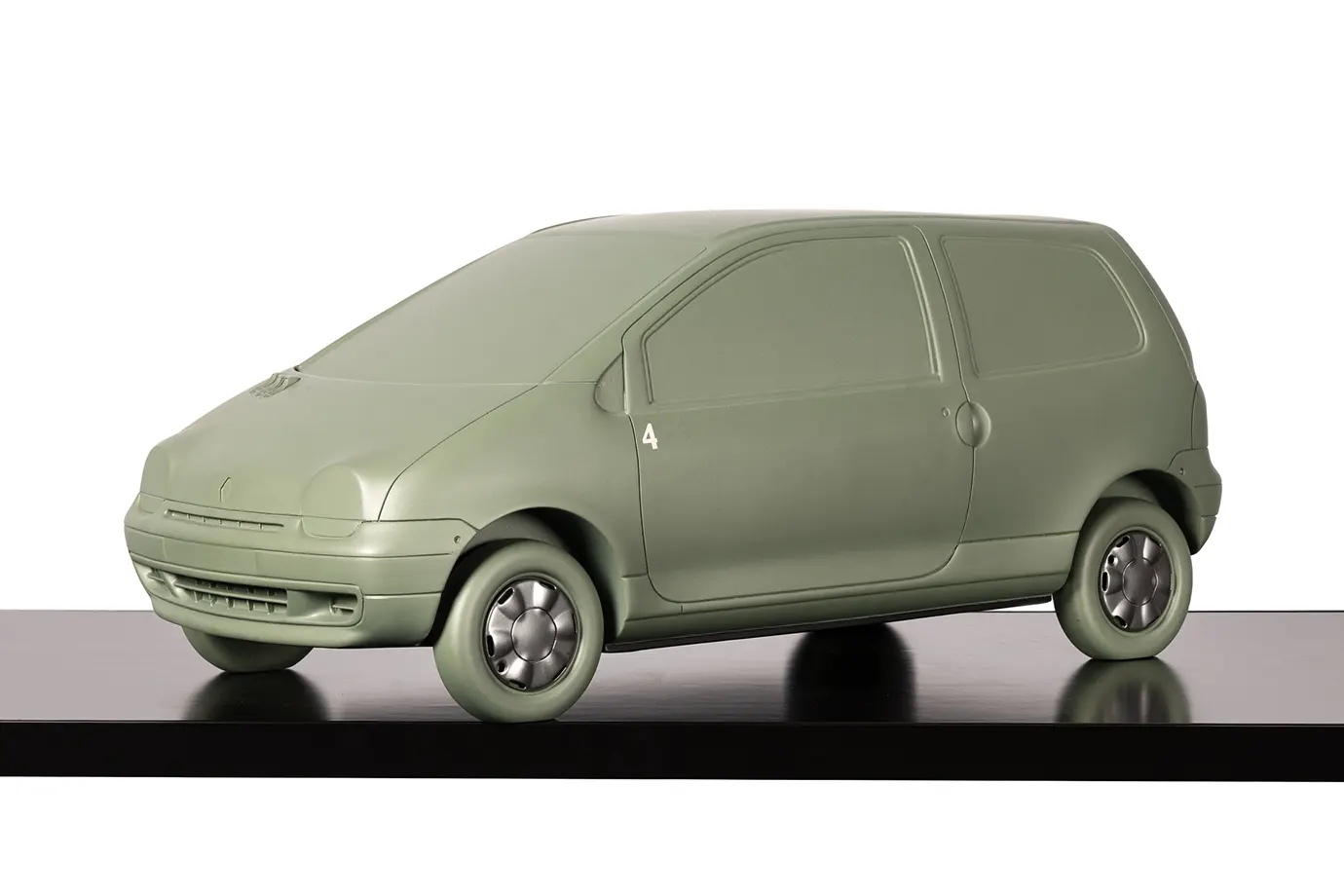
Regarding to production cars, several models of the first-generation Twingo were offered. Launched in 1992, it was a milestone as an urban MPV. Its short overhangs maximised a highly configurable interior and it’s one of Le Quément’s most memorable designs.
Motorsport section welcomed with great results
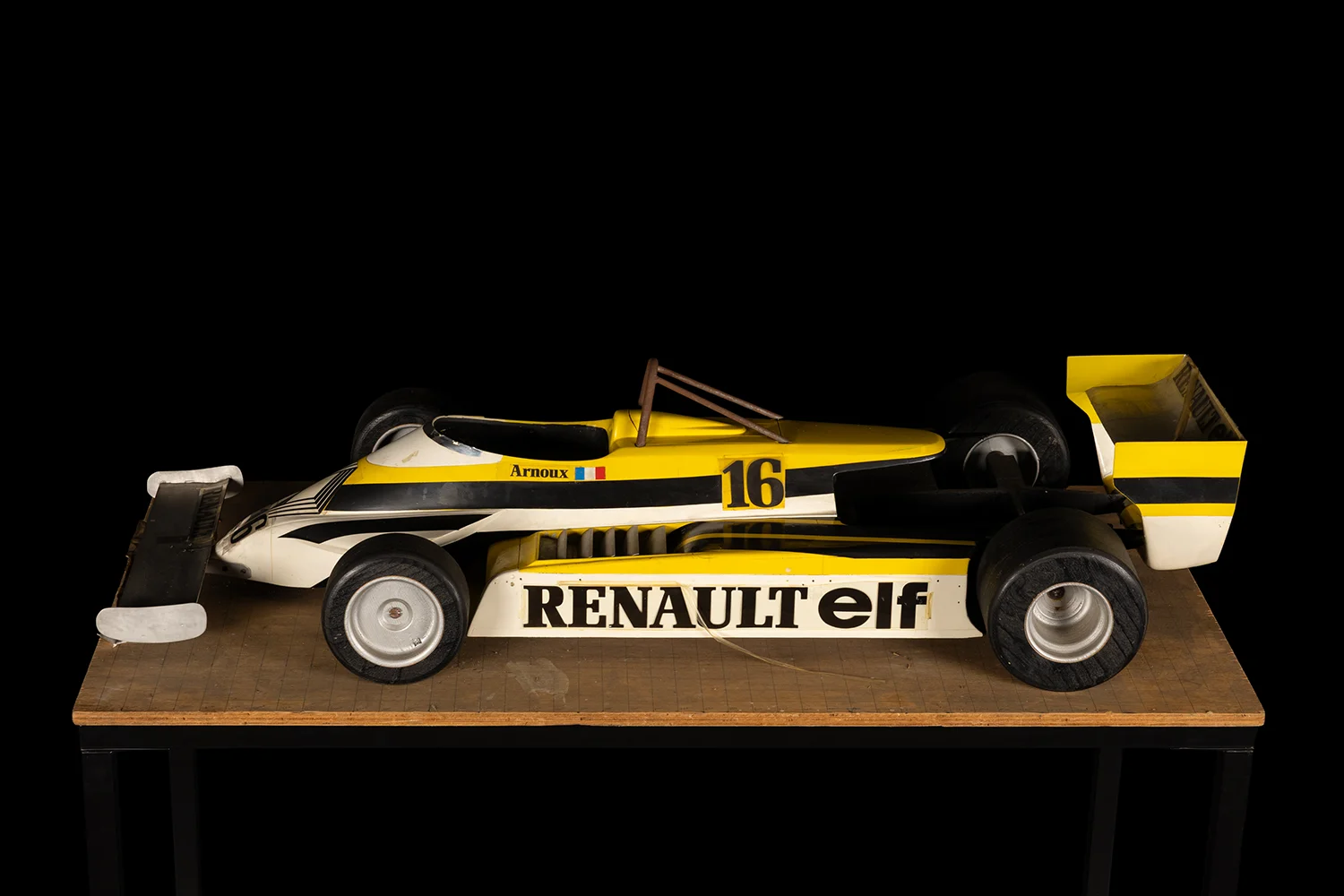
Among the interesting lots available in this category, Auto Minima focuses on a type of item that rarely sees the light of day: a Formula 1 model car ‘study’.
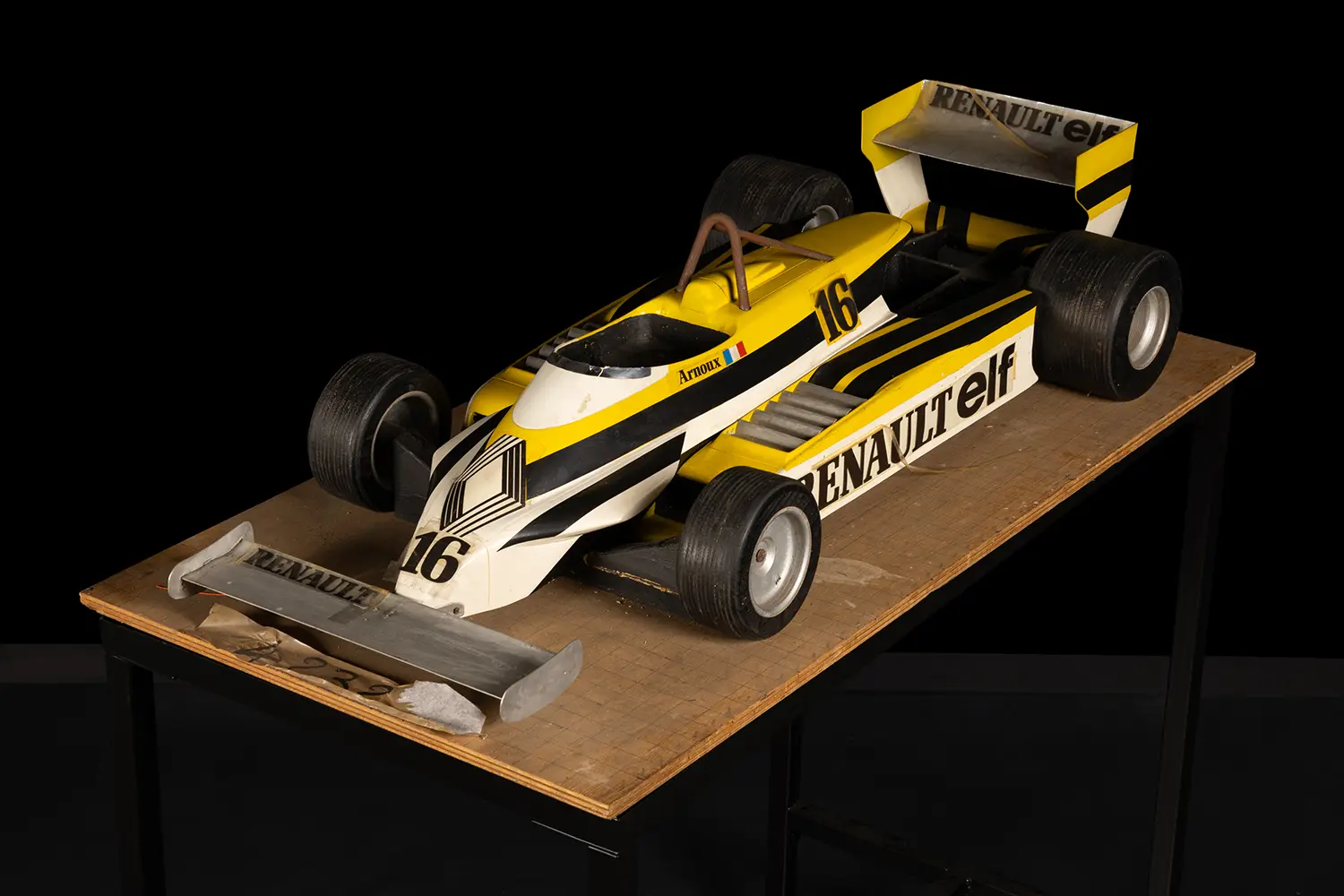
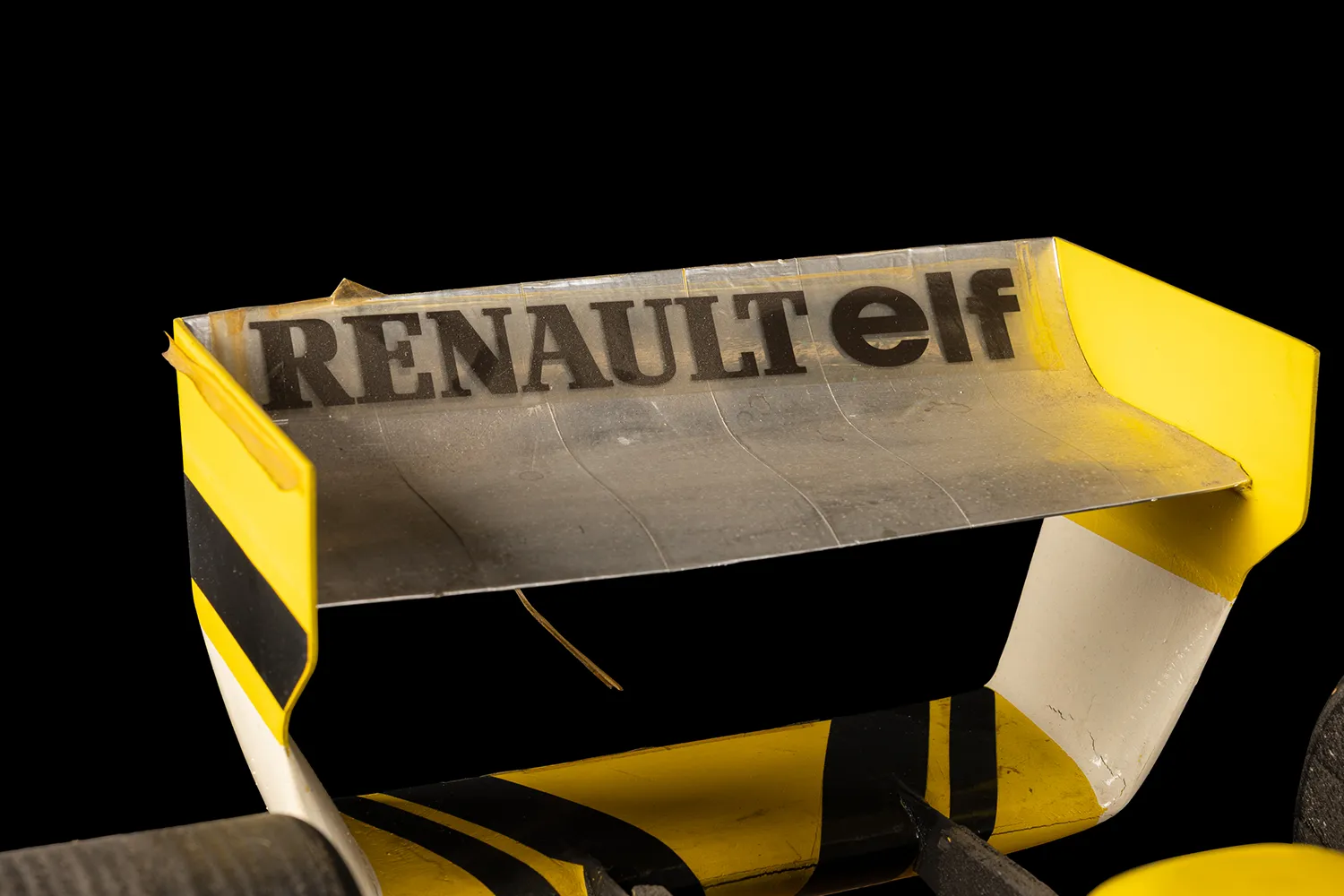
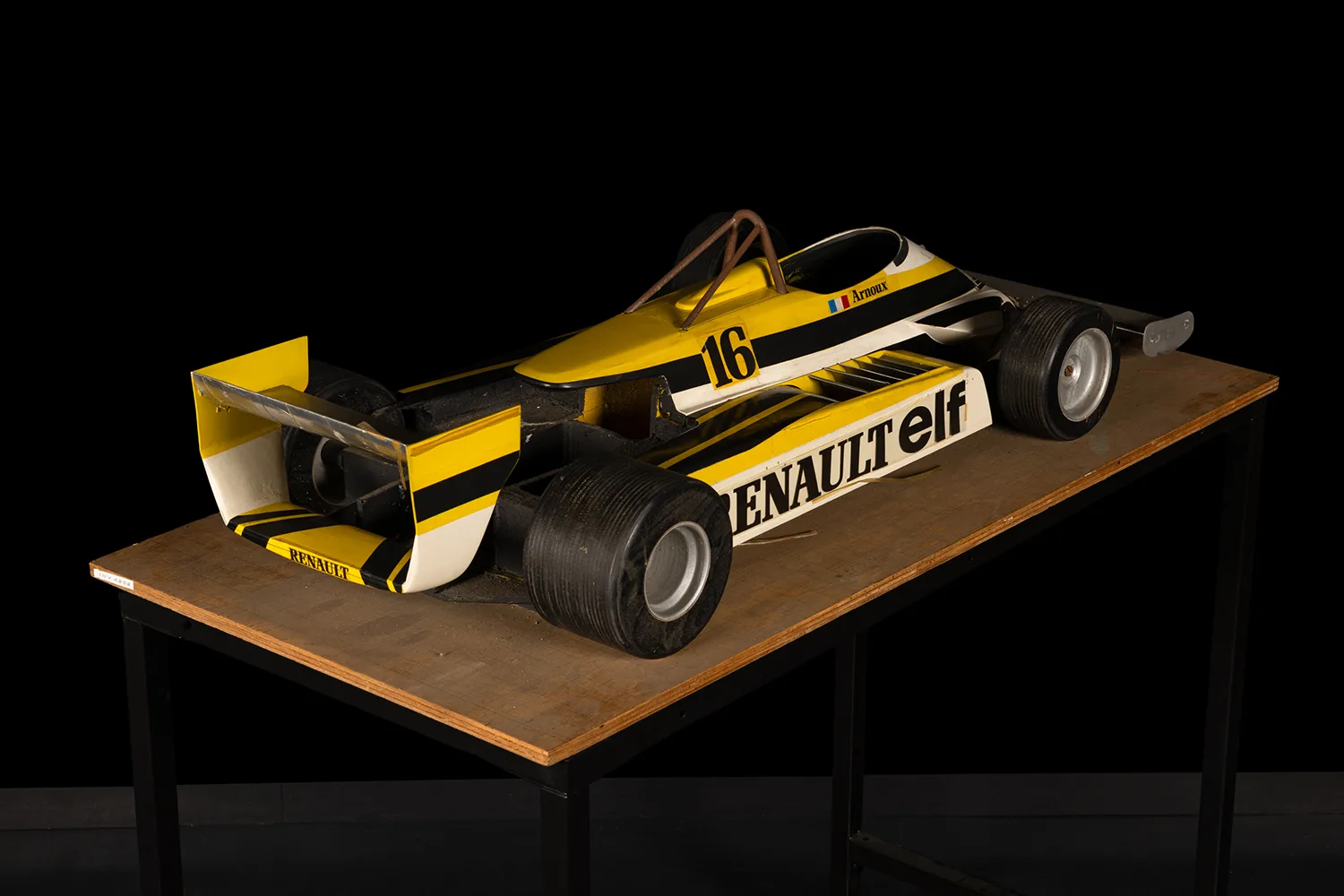
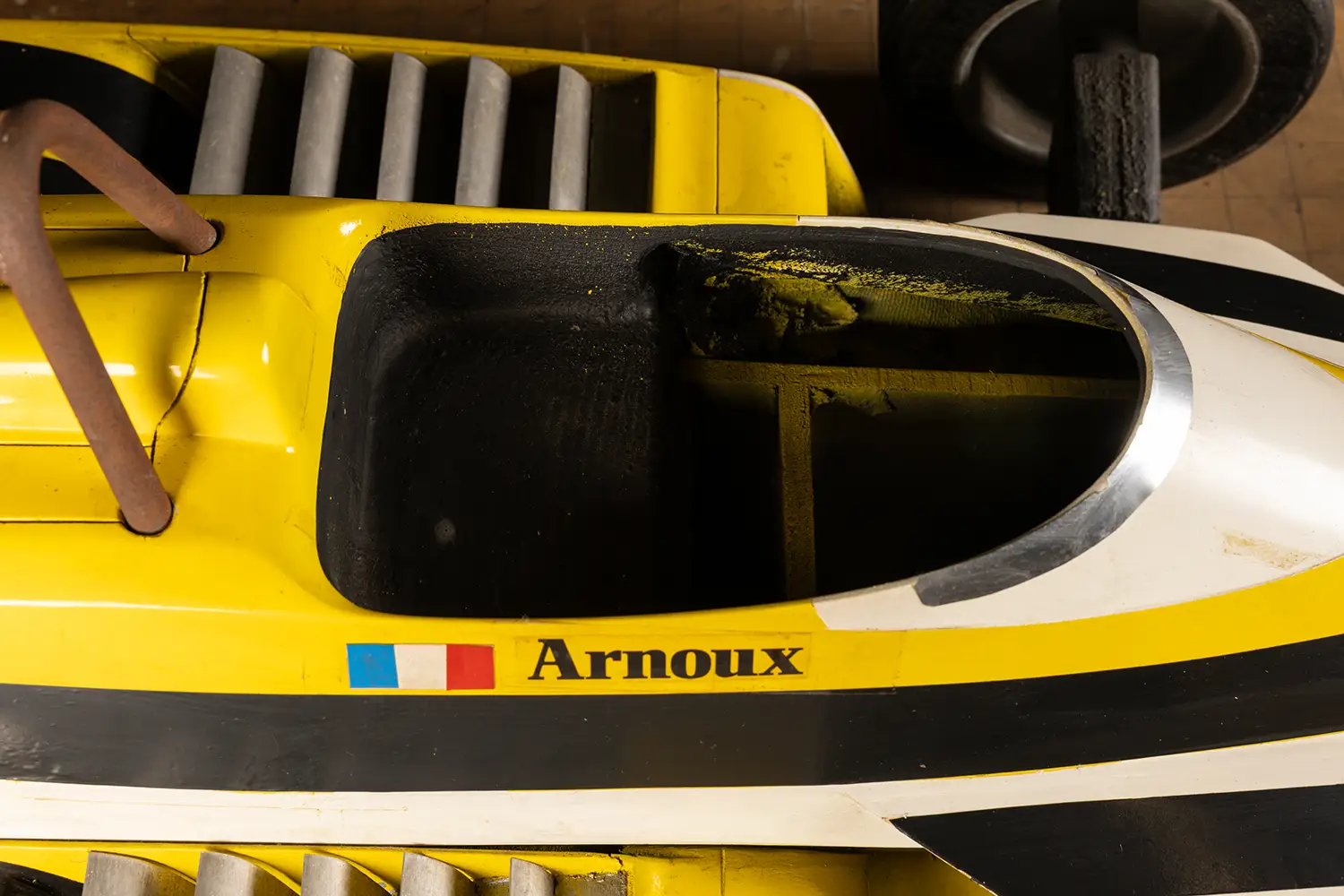
This model represents a Renault RE30, which would make its F1 debut at Spa (fifth race of the World Championship) in 1981. It was a completely new single-seater compared to the R20B it replaced, inheriting the rear spoiler from the latter for the first races, as you can see in this model. However, the final version of the RE30 would have reworked radiator air vents and additional aerodynamic details that are not present in this preliminary study. The model is also presented on its original wooden base, which is millimetre-calibrated to control its length, width, wheelbase, etc.
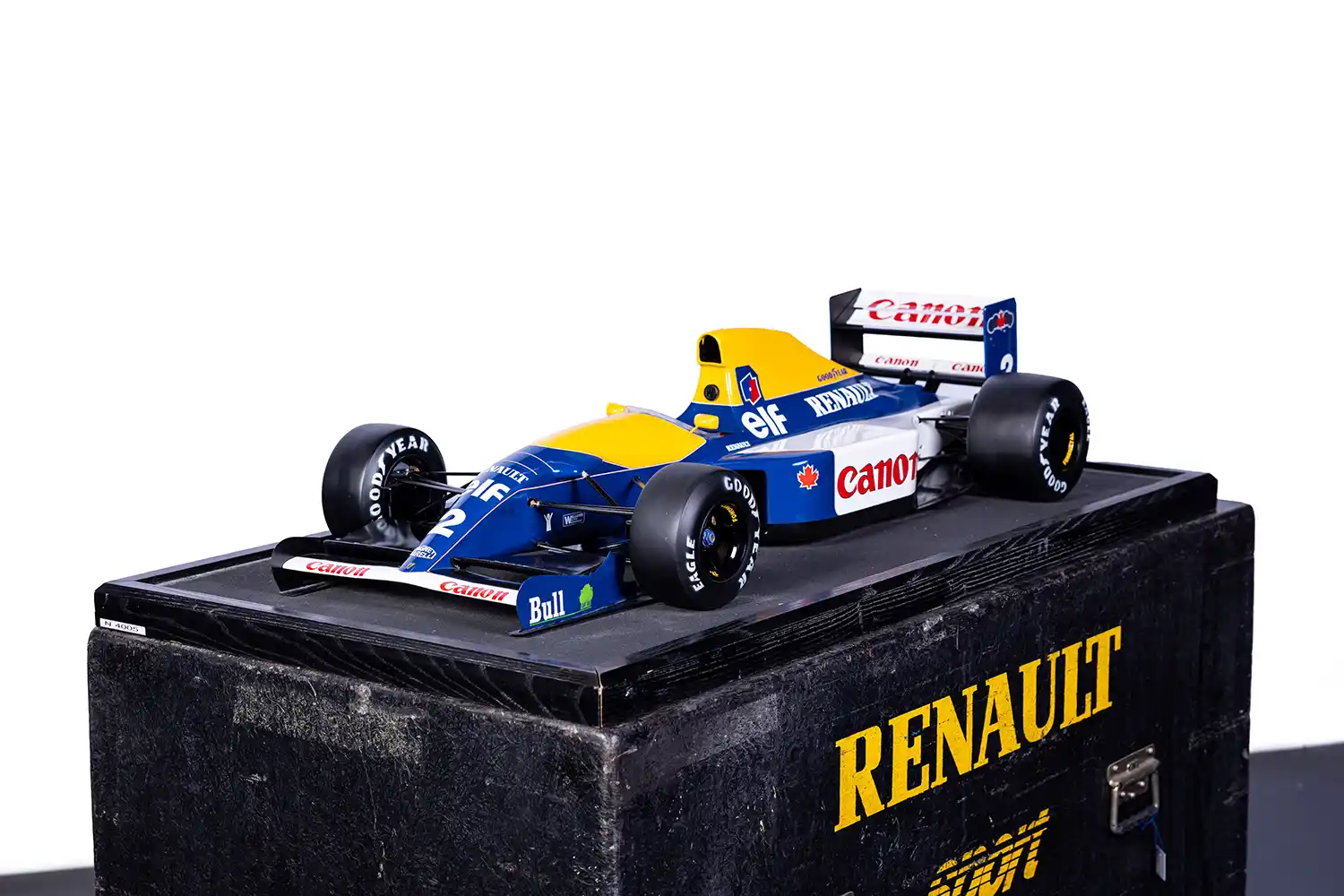
However, in terms of scale models, the best result was achieved by a 1/5 scale reproduction of the William-Renault FW14B that took Nigel Mansell to the F1 World Championship title in 1992. This is a limited edition display model of unknown date that fetched €23,170.
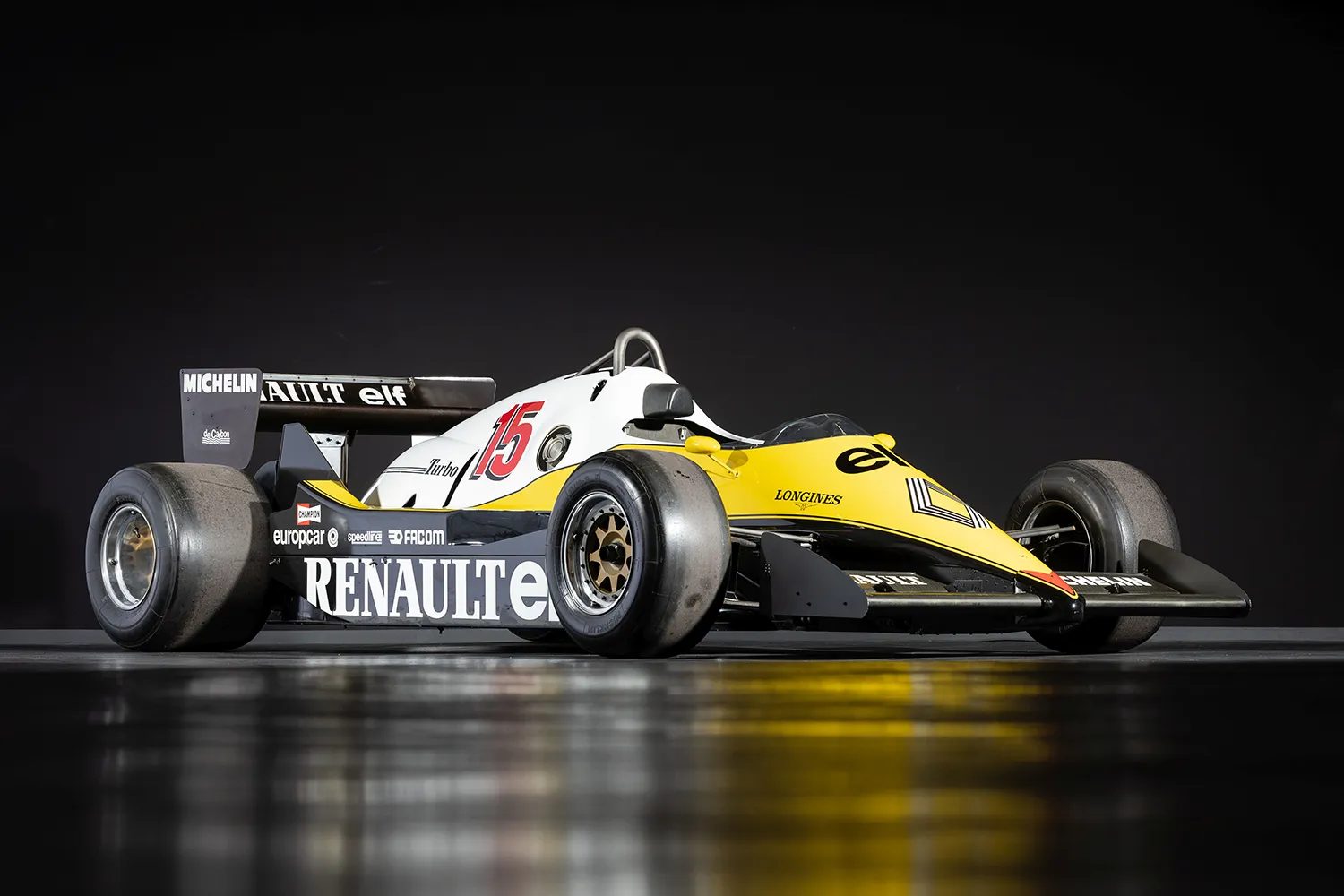
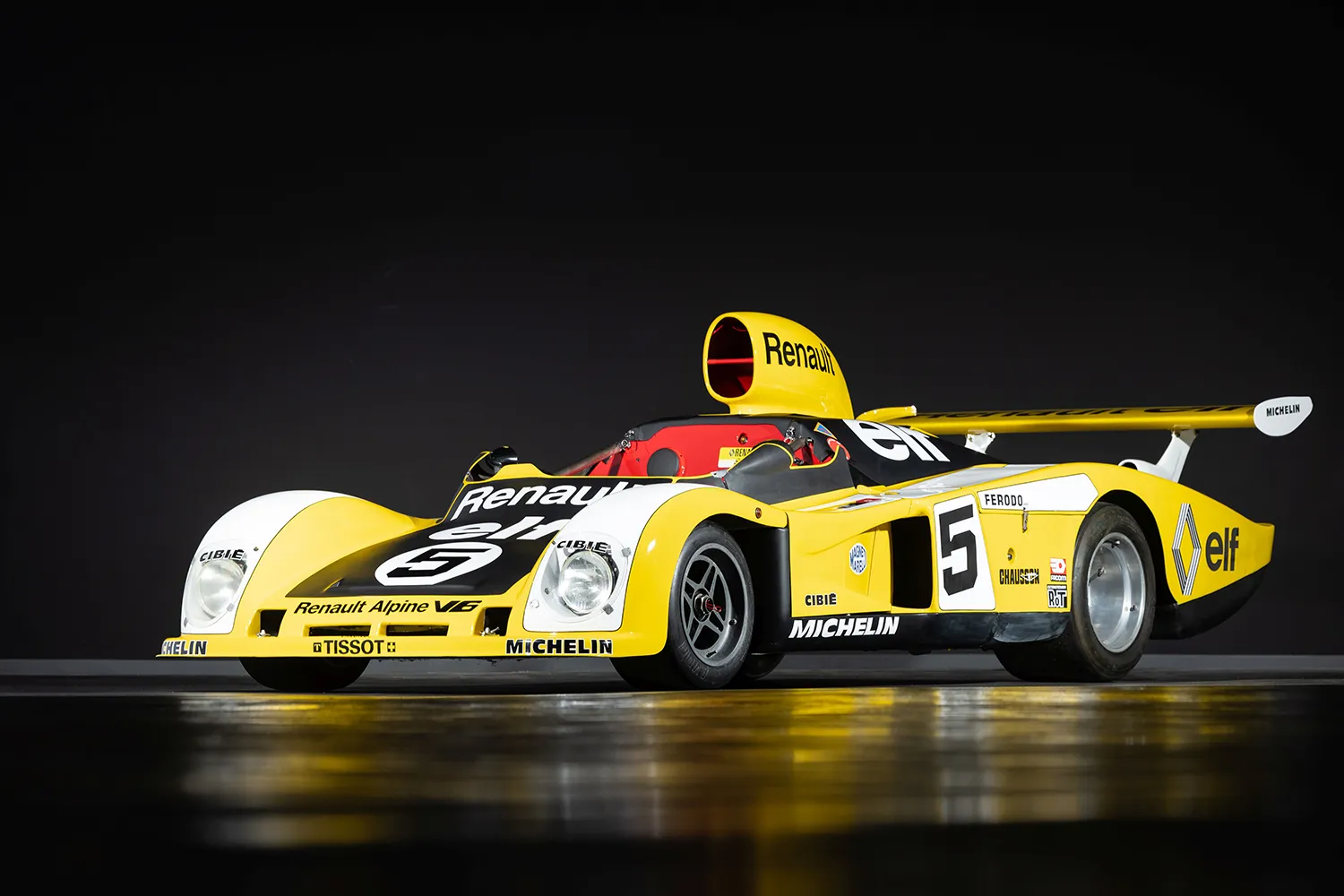
Finally, two lots exceeded the €1 million mark among the racing cars. The first was a Renault RE 40 (chassis 03), a single-seater that starred Renault’s best season to date in 1983, with Prost at the wheel. The other was a Renault Alpine A442 (chassis 442-0), a sports prototype campaigned in the 1975 endurance season and the second to fall into private hands (from five built). An evolution version, the “A442B”, would bring Renault a historic victory at the 1978 Le Mans race.
You can view all the lots and results of this auction at Artcurial.
Unless otherwise stated, photo credits © Flora Ferreira.